

Night driving is something almost every driver has to do, but it comes with a unique set of challenges and risks.
Whether you’re commuting home after a long day, taking a road trip, or just running a quick errand, understanding the best practices for night driving safety is crucial. This comprehensive guide will walk you through everything you need to know to protect yourself, your passengers, and others on the road when the sun goes down. We will cover how to prepare your vehicle, adjust your driving habits, and use modern technology to make your night driving experiences much safer.
Why is Night Driving So Much More Dangerous?
Let’s start by understanding the risks. It’s not just your imagination; night driving is statistically more dangerous than driving during the day.
- Reduced Visibility: This is the biggest issue. Your eyes simply don’t see as well in the dark. It’s harder to judge distances, spot pedestrians, and see road hazards.
- Driver Fatigue: People are naturally more tired at night. Drowsy driving slows your reaction time and impairs your judgment, making it similar to driving drunk.
- Glare from Headlights: Oncoming headlights, especially high beams, can temporarily blind you. This sudden loss of vision is a major cause of accidents during night driving.
- Increased Risk of Impaired Drivers: Unfortunately, the nighttime hours see a higher number of drivers who are under the influence of alcohol or drugs.
- More Wildlife on Roads: Many animals, like deer, are most active at dawn and dusk, increasing the chance of a collision.
Knowing these risks is the first step. Now, let’s talk about how you can fight back with smart, safe habits.
Pre-Trip Preparation: Getting Your Car Ready for Night Driving
A safe night driving journey begins before you even turn the key. A few quick checks can make a world of difference.
1. Keep Your Windshield and Windows Crystal Clear.
A dirty windshield can turn the glare from oncoming headlights into a blinding haze. Make it a habit to clean the inside and outside of your windshield and all windows.
- Use a good glass cleaner.
- Replace your wiper blades if they are streaking.
- Top up your windshield washer fluid.
2. Check Your Lights: See and Be Seen.
Your headlights, taillights, brake lights, and turn signals are your lifeline during night driving.

- Turn on your lights and walk around the car to make sure all are working.
- Regularly clean your headlight covers. Over time, they can become yellow and hazy, drastically reducing their effectiveness.
- Ensure your headlights are properly aimed. Misaligned lights won’t light the road well and can blind other drivers.
3. Adjust Your Mirrors to Reduce Glare.
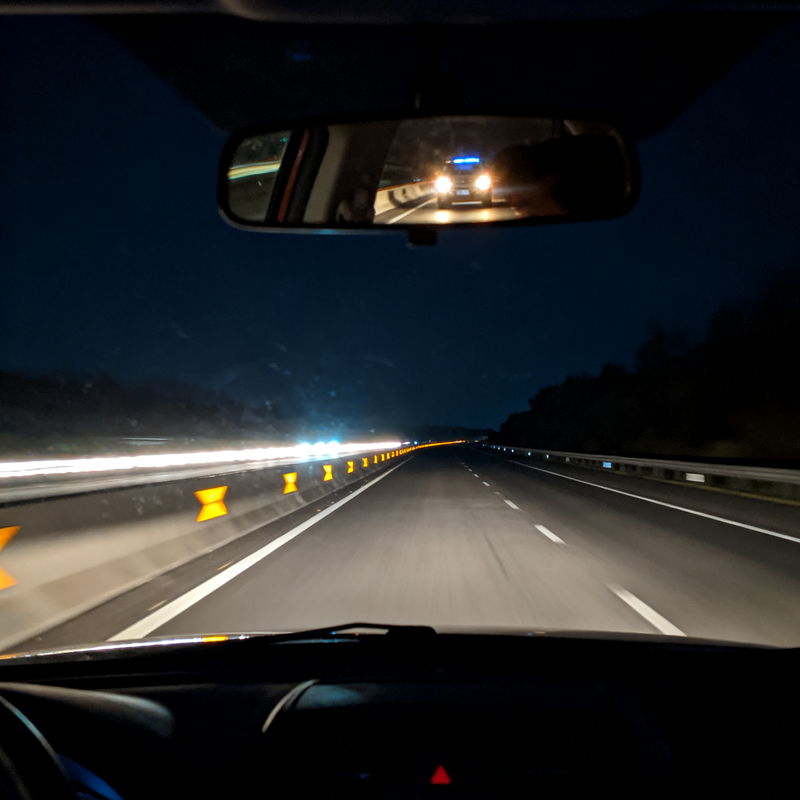
Most cars have a “day/night” setting on the rearview mirror. Flipping the tab changes the angle to cut down the glare from headlights behind you. Make sure you use this feature for safer night driving.
4. Plan Your Route.
If you’re going somewhere unfamiliar, plan your route in advance. Knowing where you’re going reduces stress and distractions, allowing you to focus on the road.
Mastering the Road: Essential Night Driving Techniques
Once you’re on the road, your driving behavior needs to adapt to the dark conditions.
1. Use Your Headlights Correctly.
Turn your headlights on at least 30 minutes before sunset and keep them on until 30 minutes after sunrise. This makes you more visible to others.
- Don’t use high beams in traffic. Switch to low beams when you see an oncoming car or when you are following another vehicle.
- Use high beams wisely on dark, open roads to extend your field of vision. Just remember to dim them for others.
2. Slow Down and Increase Following Distance.
Your reduced visibility means you have less time to react to hazards. Slowing down gives you that precious extra time.
- Increase your following distance to at least 4 seconds from the 3-second rule you use during the day. This gives you more space to stop safely.
3. Watch for Pedestrians and Cyclists.
People walking or biking can be very hard to see at night. They might be wearing dark clothing. Be extra vigilant, especially at intersections and crosswalks.
4. Avoid Staring at Oncoming Headlights.
When a car approaches, avoid looking directly at its headlights. Instead, glance toward the right side of your lane, using the white line on the road as a guide. This helps you maintain your lane position without being blinded.
5. Take Breaks to Combat Fatigue.
If you feel tired, drowsy, or your eyes are getting heavy, don’t push through it. Night driving fatigue is extremely dangerous.
- Pull over at a rest stop, gas station, or other safe location.
- Take a 15–20 minute power nap.
- Get some fresh air and stretch your legs.
- Have a caffeinated drink, but remember it’s only a short-term solution.
6. Keep Your Eyes Moving.
Don’t fix your gaze on one point. Scan the road ahead, check your mirrors regularly, and look to the sides of the road for potential hazards like animals. This keeps your eyes adjusted and your mind alert.
7. Minimize In-Car Distractions.
Turn down your dashboard lights and avoid using bright screens inside the car. The less light inside your vehicle, the better your night vision will be.
Leveraging Technology for Enhanced Night Driving Safety
Modern technology can be a powerful ally for safe night driving. While nothing replaces a vigilant driver, these tools can provide an extra layer of security.
- Automatic High Beams: This feature automatically switches between high and low beams when it detects other vehicles.
- Blind-Spot Monitoring: Alerts you when a vehicle is in your blind spot, which is even harder to see at night.
- Lane Departure Warning: Helps keep you in your lane if you start to drift, which can happen due to fatigue or distraction.
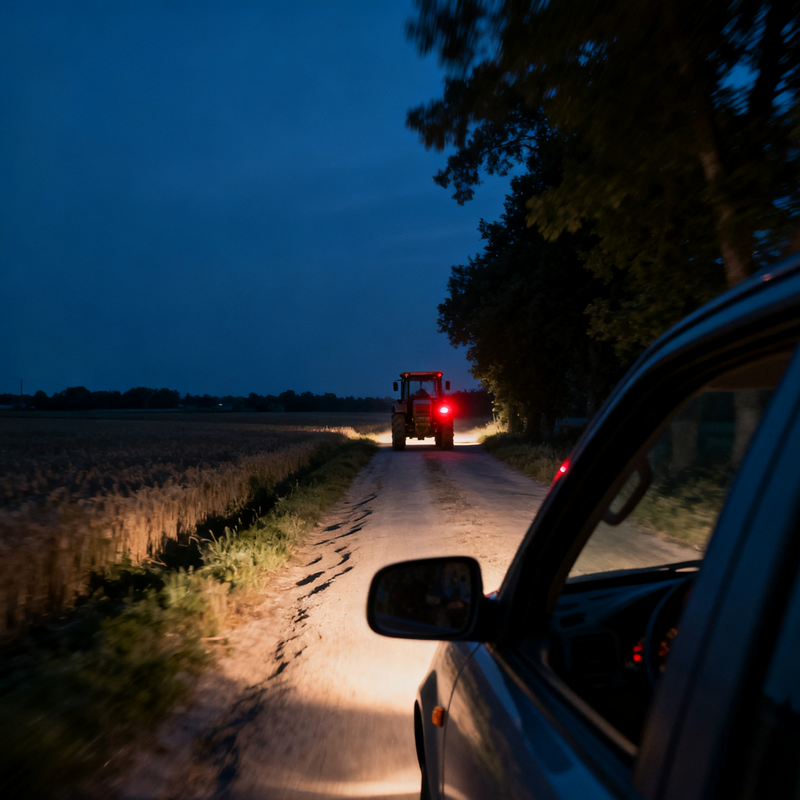
These advanced driver-assistance systems are great. But what if you could see the unseen? What if you could spot a pedestrian, a deer, or a stalled car in total darkness, through fog, or far ahead of your headlights’ reach?
This is where thermal imaging technology is revolutionizing night driving safety.
Conclusion: Your Safety is in Your Hands
Night driving doesn’t have to be a scary experience. By preparing your vehicle, adapting your driving habits, and staying alert, you can significantly reduce the risks. Remember to slow down, increase your following distance, and take breaks when you feel tired. Making safe night driving a habit is one of the best things you can do for yourself and everyone else on the road.
And as technology evolves, we now have access to tools that can dramatically improve our vision and reaction time after dark. For drivers who frequently face challenging night driving conditions, investing in an extra layer of protection can bring invaluable peace of mind.
Even with all the right habits, the human eye has its limits in complete darkness or in bad weather like rain, snow, or fog. What if you had a device that gave you the ability to see beyond your headlights, identifying potential dangers long before your eyes could? This is no longer science fiction. Thermal imaging technology, once reserved for military use, is now available to help everyday drivers.
Introducing the Robofinity Car Thermal Night Vision
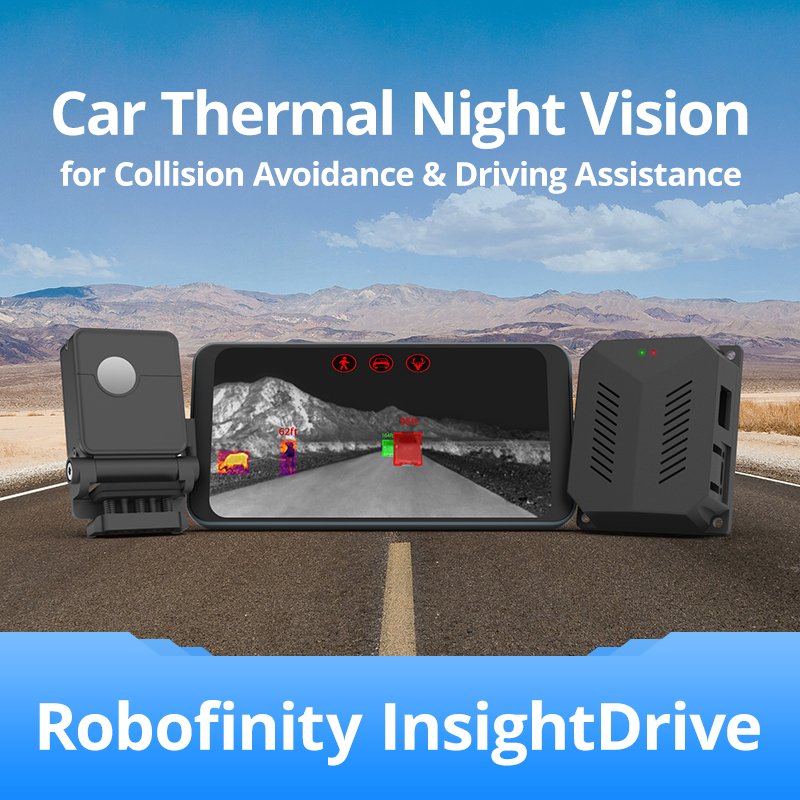
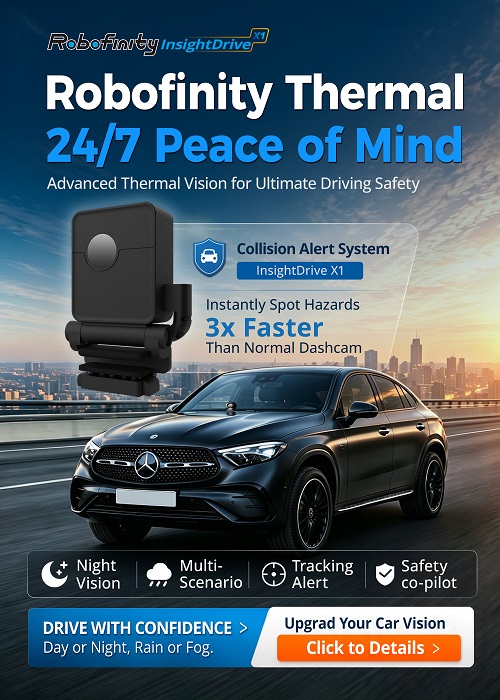
For those seeking the ultimate confidence during night driving, the Robofinity car thermal night vision acts as a second pair of super-powered eyes. Here’s how it directly addresses the core challenges of night driving:
- AI-Powered Detection: The system doesn’t just show a thermal image; its smart AI can intelligently identify and highlight people, vehicles, and animals on the road. This helps your brain process potential threats faster.
- Collision Pre-Warning: It doesn’t just see things; it warns you. The system provides an audible and visual alert before a potential collision, giving you those critical extra seconds to react.
- See 200 Meters Ahead: It dramatically extends your visual range, allowing you to spot obstacles up to 200 meters away—far beyond the reach of even the best standard headlights.
- Penetrate Weather: Unlike regular cameras or your eyes, thermal vision can cut through visual noise like rain, snow, and light fog, revealing hazards that would otherwise be hidden.
- Work in Total Darkness: It requires no light whatsoever to function. A person, animal, or object giving off heat will be clearly visible on the screen, even on the darkest, unlit roads.
- Easy Installation: Designed for everyday drivers, the system is simple and quick to install without complex wiring, making advanced safety accessible to everyone.
By adding a Robofinity thermal car camera to your vehicle, you’re not just driving at night; you’re driving with a powerful tool that enhances your awareness and proactively helps you avoid accidents, making every night driving journey significantly safer.