

Car thermal cameras are becoming must-have safety features in today’s vehicles.
- What Are Car Thermal Cameras and How Do They Work?
- Key Factors That Determine Car Thermal Camera Reliability
- Weather and Environmental Conditions
- Detection Range and Resolution Quality
- Installation and Calibration
- Real-World Performance: How Car Thermal Cameras Handle Different Situations
- Night Driving and Complete Darkness
- Inclement Weather: Rain, Snow, and Fog
- Urban Environments and City Driving
- Comparing Car Thermal Cameras to Other Safety Technologies
- Thermal Cameras vs. Radar Systems
- Thermal Cameras vs. Lidar Systems
- Thermal Cameras vs. Standard Night Vision
- Common Concerns and Limitations of Car Thermal Cameras
- Temperature Confusion Scenarios
- Initial Cost and Installation Expenses
- Maintenance and Care Requirements
- The Future of Car Thermal Camera Technology
- Artificial Intelligence Integration
- Improved Resolution and Sensitivity
- Cost Reduction and Wider Adoption
- Enhancing Your Driving Safety with Modern Thermal Imaging
- Robofinity: Setting New Standards in Thermal Imaging Reliability
- Conclusion: The Verdict on Car Thermal Camera Reliability
Drivers everywhere want to know: can you really trust these devices? When we ask “how reliable are car thermal cameras,” we’re talking about whether they work consistently in real-world conditions. This isn’t just about technical specs. It’s about whether car thermal cameras will perform when you need them most. Will they spot that deer in the road on a foggy night? Can they see through rain when your regular headlights fail? These are the questions that matter to drivers. Let’s explore what makes these devices trustworthy – and where they might sometimes fall short.
What Are Car Thermal Cameras and How Do They Work?
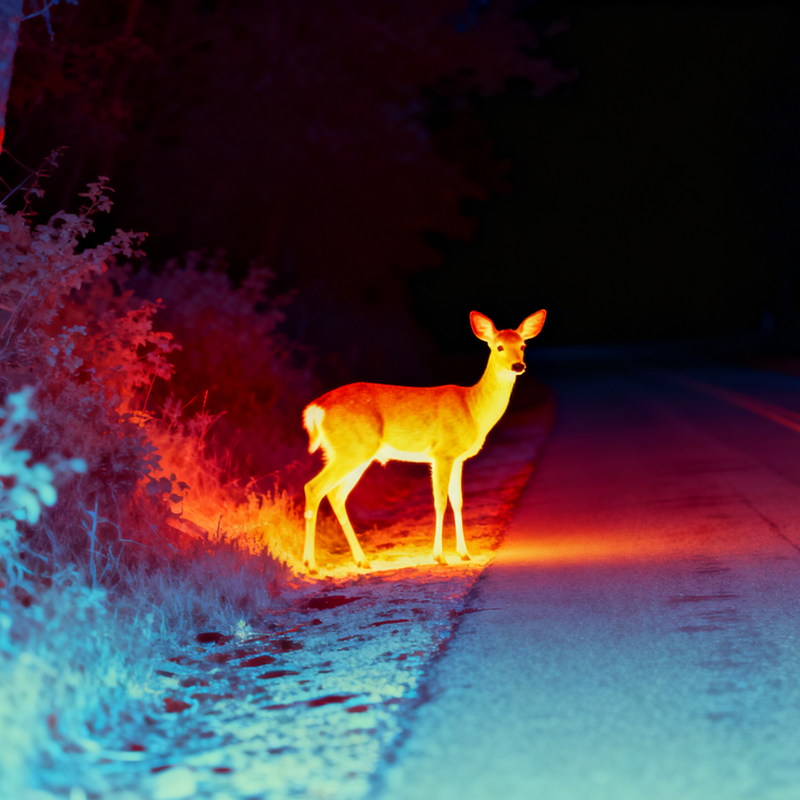
Car thermal cameras are special devices that see heat instead of light. They create images based on temperature differences. Everything around us gives off heat energy. Thermal cameras detect this energy and turn it into pictures we can understand. Warm objects appear bright in these images. Cool objects look dark. This technology lets car thermal cameras see in complete darkness. They don’t need any light at all to function.
The heart of any thermal imaging system is the thermal sensor. This sensor detects infrared radiation that our eyes can’t see. Advanced processors then convert this data into visible images. Modern car thermal cameras display these images on your dashboard screen or heads-up display. They show you what’s ahead in weather conditions where normal vision fails.
Most people encounter car thermal cameras through advanced driver assistance systems. Many luxury vehicles now include them as standard equipment. Aftermarket car thermal cameras are also available for older vehicles. These systems typically integrate with your existing displays. They provide an extra set of eyes when conditions get tough.
Key Factors That Determine Car Thermal Camera Reliability
Several important factors affect how reliable car thermal cameras really are. Understanding these elements helps explain why some systems perform better than others. It also shows why car thermal cameras might work great in some situations but struggle in others.
Weather and Environmental Conditions
Car thermal cameras handle bad weather much better than regular cameras. They see right through darkness, fog, and light rain. But heavy precipitation can challenge even the best systems. Pouring rain can sometimes reduce image quality. The same goes for very thick fog. Still, car thermal cameras generally outperform human vision in these conditions.

Temperature extremes affect performance too. Very cold weather actually helps car thermal cameras work better. The contrast between warm objects and cold backgrounds makes detection easier. Hot summer days can reduce this contrast. This might make warm objects slightly harder to distinguish from their surroundings.
Detection Range and Resolution Quality
Range matters when considering car thermal cameras. Most consumer-grade systems detect objects 150-200 meters away. Higher-end car thermal cameras might reach 300 meters or more. But remember: detection range differs from identification range. You might detect something is there at 200 meters. But you might need to be closer to identify what that something actually is.
Resolution determines how much detail you see. Higher-resolution car thermal cameras show clearer, more defined images. They help distinguish between different types of objects. Is that blob on the road a plastic bag or a small animal? Better resolution car thermal cameras give you that answer sooner. This is crucial for making safe driving decisions.
Installation and Calibration
Proper installation significantly impacts reliability. Car thermal cameras need correct positioning and alignment. They should have a clear, unobstructed view of the road ahead. Professional installation ensures optimal performance. DIY installations might save money initially. But they can lead to reduced effectiveness if not done correctly.
Calibration is equally important. Car thermal cameras must be calibrated to work with your specific vehicle. This process ensures accurate object detection and proper warning timing. Well-calibrated systems provide alerts with just the right amount of advance notice. This gives you time to react without causing unnecessary alarms.
Real-World Performance: How Car Thermal Cameras Handle Different Situations
The true test of car thermal cameras comes in everyday driving scenarios. How do they perform when it really counts? Let’s examine some common situations where drivers depend on these systems.
Night Driving and Complete Darkness
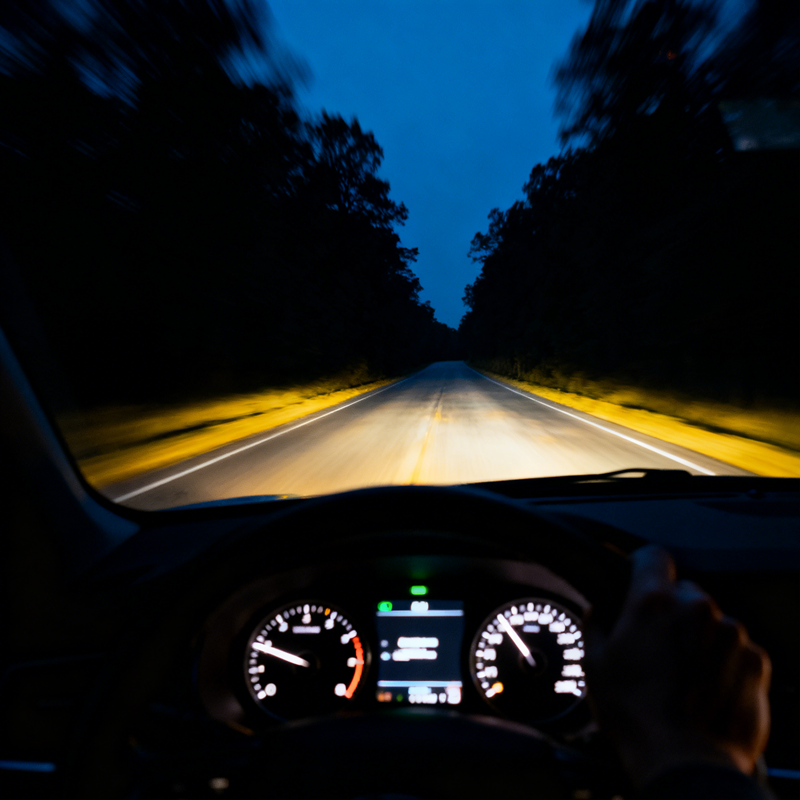
This is where car thermal cameras truly shine. They transform night driving by revealing what’s invisible to naked eyes. Animals on the road become clearly visible. Pedestrians walking along dark streets stand out clearly. Even cyclists without proper lighting become detectable. The reliability of car thermal cameras in darkness is consistently high across most quality systems.
Many drivers report feeling much more confident after installing car thermal cameras. Night driving becomes less stressful. You can see potential hazards earlier and react accordingly. This is especially valuable on rural roads where wildlife crossings are common.
Inclement Weather: Rain, Snow, and Fog
Car thermal cameras handle weather challenges impressively well. They see through fog that would blind regular headlights. Light to moderate rain doesn’t bother them much either. Falling snow poses little problem for most systems. The thermal energy these cameras detect passes right through precipitation.
However, very heavy rain can reduce effectiveness. Water droplets on the camera lens might cause some image distortion. Still, even in these conditions, car thermal cameras usually provide better visibility than human eyes alone. Their ability to maintain some vision when other systems fail makes them valuable safety additions.
Urban Environments and City Driving
City driving presents unique challenges that car thermal cameras handle well. They detect pedestrians stepping out from between parked cars. They spot cyclists in adjacent lanes during poor visibility conditions. The heat signatures from people and animals make them stand out against cooler backgrounds.
Car thermal cameras also help with glare reduction. They’re not affected by oncoming headlights or bright streetlights. This provides more consistent vision than regular cameras or human eyes. In busy urban environments, this consistency enhances safety for everyone on the road.
Comparing Car Thermal Cameras to Other Safety Technologies
Understanding how car thermal cameras compare to other systems helps put their reliability in perspective. Each technology has strengths and weaknesses. Car thermal cameras fill specific roles that other systems can’t.
Thermal Cameras vs. Radar Systems
Radar excels at measuring distance and speed. It works well in all weather conditions. But radar doesn’t provide visual information. It can tell you something is ahead but not what that something is. Car thermal cameras complement radar perfectly. They add the visual identification that radar lacks.
Combining both technologies creates a more reliable system. Radar handles speed and distance measurement. Car thermal cameras handle object identification. Many modern vehicles use both systems together for maximum safety.
Thermal Cameras vs. Lidar Systems
Lidar creates detailed 3D maps of the environment. It’s incredibly precise for autonomous driving applications. But lidar struggles with bad weather. Rain, snow, and fog can interfere with its laser signals. Car thermal cameras maintain better performance in these conditions.
Lidar also tends to be more expensive than thermal imaging. For most consumer applications, car thermal cameras provide better value. They offer reliable performance at more accessible price points.
Thermal Cameras vs. Standard Night Vision
Traditional night vision systems amplify available light. They need some light source to work effectively. Complete darkness makes them useless. Car thermal cameras have no such limitation. They work equally well in total darkness or bright daylight.
Light amplification systems can be blinded by sudden bright lights. Car thermal cameras remain unaffected by glare or sudden light changes. This makes them more reliable in changing lighting conditions.
Common Concerns and Limitations of Car Thermal Cameras
While car thermal cameras are impressive, they’re not perfect. Understanding their limitations helps set realistic expectations. It also shows where other systems might need to take over.
Temperature Confusion Scenarios
Car thermal cameras can sometimes confuse objects with similar temperatures. A warm animal might blend with a sun-warmed road surface during summer days. A cold object in snowy conditions might not stand out clearly. These situations are relatively rare but worth noting.
Modern systems use advanced processing to minimize these issues. They analyze shapes and movement patterns in addition to heat signatures. This helps maintain reliability even in challenging temperature conditions.
Initial Cost and Installation Expenses
Quality car thermal cameras require significant investment. Factory-installed systems often come with premium vehicle packages. Aftermarket solutions vary in price but quality systems aren’t cheap. However, many drivers find the safety benefits justify the costs.
The peace of mind that comes with enhanced night vision is valuable. For people who frequently drive in challenging conditions, car thermal cameras can be worth every penny.
Maintenance and Care Requirements
Car thermal cameras need occasional maintenance to stay reliable. The lens must be kept clean for optimal performance. Mud, snow, or ice accumulation can block the view completely. Most systems include heating elements to prevent ice buildup.
Calibration checks are recommended periodically. This ensures the system continues to provide accurate detection and warnings. Proper maintenance ensures long-term reliability and performance.
The Future of Car Thermal Camera Technology
Car thermal cameras continue to evolve rapidly. New developments promise even greater reliability and capabilities. Understanding these trends helps see where the technology is heading.
Artificial Intelligence Integration
AI is transforming how car thermal cameras process information. Instead of just showing heat images, modern systems can identify specific objects. They can tell the difference between people, animals, and vehicles. Some advanced systems can even predict movement patterns.
This intelligence makes car thermal cameras more useful and reliable. Instead of just showing you there’s something ahead, they tell you what that something is likely to do next. This gives drivers more time to react appropriately.
Improved Resolution and Sensitivity
Early car thermal cameras showed blurry, low-resolution images. Modern systems offer much higher definition. Some premium systems now approach near-visual clarity in their thermal imaging. Sensitivity has improved dramatically too.
Today’s car thermal cameras can detect smaller temperature differences. This means they can see more subtle heat signatures at greater distances. The improvements in both resolution and sensitivity make modern systems far more reliable than their predecessors.
Cost Reduction and Wider Adoption
As technology improves, costs continue to decrease. What was once a luxury feature is becoming more accessible. Many mid-range vehicles now offer car thermal cameras as optional equipment. Aftermarket solutions are becoming more affordable too.
Wider adoption drives further innovation. More manufacturers entering the market means more competition and better products. This benefits consumers through improved reliability and lower prices.
Enhancing Your Driving Safety with Modern Thermal Imaging
Given the proven reliability of modern systems, many drivers are choosing to add car thermal cameras to their vehicles. The safety benefits are substantial, especially for those who frequently drive in challenging conditions.
Who Benefits Most from Car Thermal Cameras?
Some drivers get more value from car thermal cameras than others. Rural drivers who encounter wildlife regularly benefit greatly. People who frequently drive at night find them invaluable. Those living in areas with frequent fog or poor weather conditions appreciate the enhanced visibility.
Even urban drivers find benefits though. The ability to spot pedestrians and cyclists in poor visibility prevents accidents. Essentially, anyone concerned about safety can benefit from these systems.
Integration with Other Safety Systems
Modern car thermal cameras rarely work alone. They integrate with other safety features for maximum effectiveness. When a thermal camera detects a potential hazard, it can trigger automatic braking. It can provide visual and audible warnings to alert the driver.
This integration creates a safety net that’s more reliable than any single system. Each technology covers others’ weaknesses. The result is comprehensive protection that’s truly greater than the sum of its parts.
Robofinity: Setting New Standards in Thermal Imaging Reliability
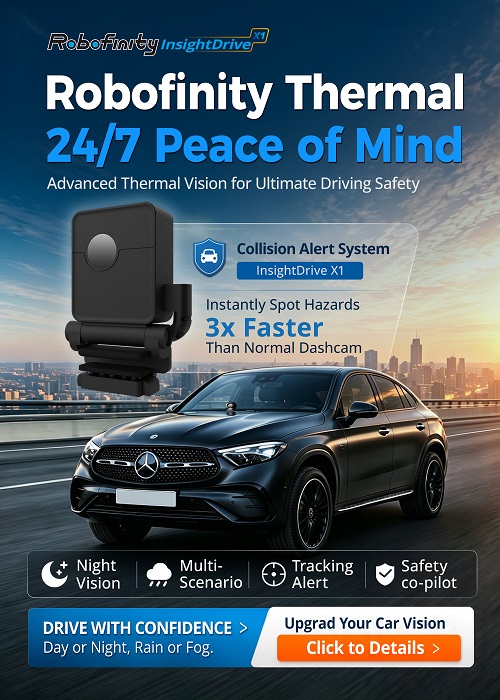
When discussing reliable thermal imaging technology, the Robofinity car thermal night vision deserves special mention. This advanced system represents the next evolution in automotive safety technology. It incorporates artificial intelligence that intelligently identifies people, vehicles, and animals with remarkable accuracy.
The Robofinity thermal camera for car provides pre-collision alerts that give drivers precious extra reaction time. Its impressive 200-meter detection range ensures early warning of potential hazards. What makes this system particularly reliable is its ability to maintain performance in challenging conditions. It penetrates rain, snow, and fog effectively, providing clear vision when other systems might struggle.
Installation is surprisingly straightforward, making advanced thermal imaging accessible to more drivers. The system integrates seamlessly with most vehicles’ existing displays. By significantly improving obstacle detection in complete darkness and adverse weather, Robofinity demonstrates how far thermal imaging technology has progressed. It stands as a excellent example of the reliable performance modern drivers can expect from quality thermal imaging systems.

Conclusion: The Verdict on Car Thermal Camera Reliability
So, how reliable are car thermal cameras? The evidence suggests they’re highly reliable for their intended purposes. They excel in conditions where other vision systems fail. Their ability to see in complete darkness and through various weather conditions makes them invaluable safety tools.
Like any technology, they have limitations. They’re not perfect in all scenarios. But when used as part of a comprehensive safety system, their reliability is unquestionable. Modern processing and AI integration have addressed many early limitations.
For drivers seeking enhanced safety, car thermal cameras represent a worthwhile investment. Their proven ability to prevent accidents and save lives makes them more than just fancy gadgets. They’re genuine life-saving technology that belongs in more vehicles. As costs decrease and technology improves, we can expect these systems to become standard equipment rather than luxury options.