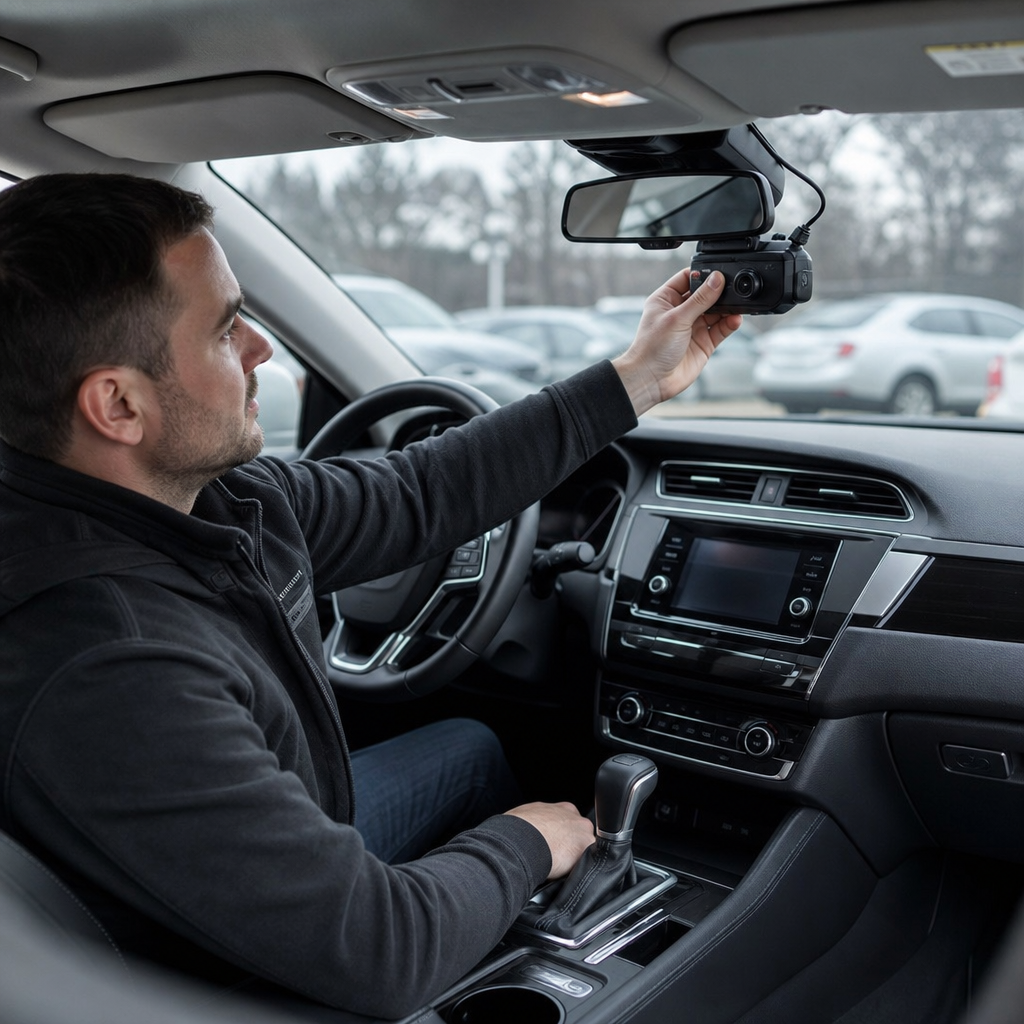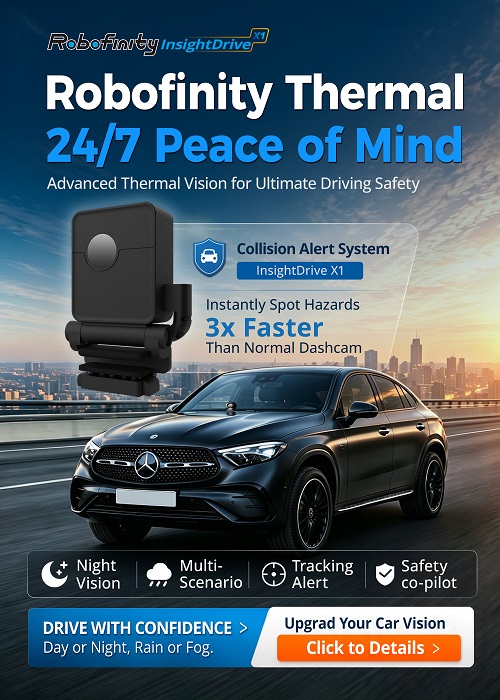


An automotive thermal camera can add a different kind of road awareness than a standard dash cam or headlight upgrade. Instead of relying on visible light, it detects heat, which can help a driver notice people, animals, vehicles, or obstacles earlier in low-light and poor-visibility conditions. For everyday drivers, the real question is not whether the technology is impressive. It is whether the system is practical, easy to live with, and worth the cost for the way you actually drive.
This buying guide focuses on what matters most for ordinary commuting, night driving, rural roads, bad weather, and long-distance use. The goal is to help you judge automotive thermal camera systems on real-world usefulness, not marketing language.
Table of Contents
- What a Thermal Camera Actually Adds
- Start With Your Use Case, Not the Spec Sheet
- The Features That Matter Most
- Display and Interface: The Part You Actually Use
- Weather and Visibility Performance
- Installation and Everyday Convenience
- Alerts and Recognition: Helpful or Distracting?
- Thermal Camera vs. Other Safety Technologies
- What Everyday Drivers Should Avoid Overpaying For
- A Practical Buying Checklist
- FAQ
- Conclusion
What a Thermal Camera Actually Adds