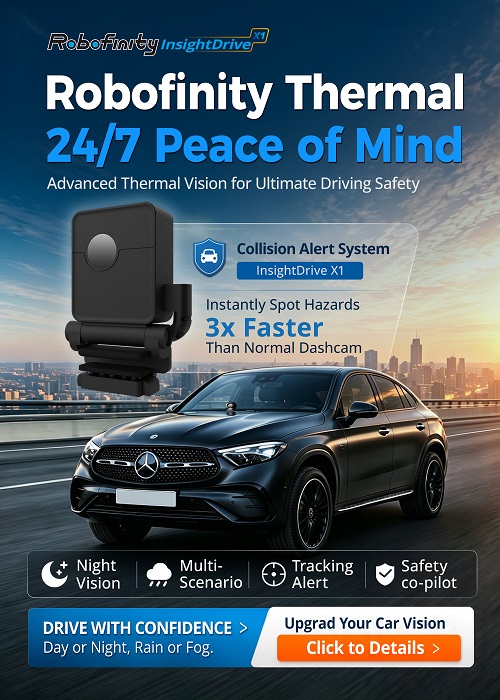


A car thermal imager is one of the most useful modern tools for improving vehicle visibility, diagnosis, and safety. Unlike a standard camera that depends on visible light, a thermal imager detects heat and converts temperature differences into an image. That means it can “see” people, animals, vehicles, and hot components even in darkness, fog, smoke, or glare.
- What Is a Car Thermal Imager?
- How a Car Thermal Imager Works
- Main Uses of a Car Thermal Imager
- 1. Night Driving Safety
- 2. Wildlife Detection
- 3. Automotive Diagnostics
- 4. Preventive Maintenance
- 5. Off-Road and Adventure Driving
- Car Thermal Imager vs Regular Camera
- Key Features to Look For in a Car Thermal Imager
- 1. Resolution
- 2. Frame Rate
- 3. Temperature Range
- 4. Field of View
- 5. Sensitivity
- 6. Display and Color Palettes
- 7. Durability
- 8. Integration
- Common Applications in Vehicle Maintenance
- Brake Inspection
- Tire and Wheel Problems
- Electrical Diagnostics
- Cooling System Checks
- Exhaust and Engine Hotspots
- How a Car Thermal Imager Improves Safety
- Earlier Hazard Detection
- Better Low-Light Awareness
- Improved Performance in Poor Weather
- Reduced Driver Stress
- Limitations of Car Thermal Imagers
- It Does Not Show Fine Visual Detail
- Glass Can Block Thermal Imaging
- Temperature Contrast Matters
- It Can Be Expensive
- It Is Not a Replacement for Alert Driving
- Real-World Examples of Car Thermal Imager Use
- Example 1: Rural Night Driving
- Example 2: Brake Troubles in a Fleet Vehicle
- Example 3: Electrical Fault Detection
- Example 4: Off-Road Recovery
- How to Use a Car Thermal Imager Effectively
- Keep the Lens Clean
- Learn Normal Heat Patterns
- Compare Similar Components
- Use the Right Color Palette
- Combine with Other Tools
- Who Should Consider Buying One?
- The Future of Thermal Imaging in Cars
- Conclusion
For drivers, fleet operators, mechanics, and off-road enthusiasts, this technology is no longer limited to specialized military or industrial use. Today, thermal imaging is becoming more accessible and practical for everyday driving and vehicle maintenance. If you are comparing options, this guide will help you understand how a car thermal imager works and where it fits best.
In this article, we’ll explain what a car thermal imager is, how it works, where it’s used, what features matter most, and how it compares with other automotive vision tools. We’ll also look at real-world examples so you can better understand whether this technology is worth adding to your vehicle or workshop.
Table of Contents
- What Is a Car Thermal Imager?
- How a Car Thermal Imager Works
- Main Uses of a Car Thermal Imager
- Car Thermal Imager vs Regular Camera
- Key Features to Look For
- Vehicle Maintenance Applications
- How It Improves Safety
- Limitations
- Real-World Examples
- How to Use It Effectively
- Who Should Consider Buying One?
- The Future of Thermal Imaging in Cars
What Is a Car Thermal Imager?
A car thermal imager is a camera system designed to detect infrared radiation, which is the heat emitted by objects. Instead of capturing visible light like a normal camera, it displays temperature variations as color patterns or grayscale images.
Warmer objects appear brighter or in different colors depending on the display mode, while cooler objects appear darker. This makes thermal imaging especially valuable when visibility is poor or when something is hidden from the naked eye.
In automotive settings, a car thermal imager may be used in several ways:
- Mounted on the vehicle for night-driving assistance
- Used by mechanics to inspect engine components
- Handheld for diagnostic work around a car
- Integrated into advanced driver assistance systems
- Used by fleet managers for maintenance and safety checks
The key advantage is simple: a thermal imager does not rely on sunlight, headlights, or ambient lighting to create an image.
How a Car Thermal Imager Works
Thermal imaging works by sensing infrared energy. All objects with a temperature above absolute zero emit infrared radiation, but the amount varies based on heat level. A thermal imager detects these differences and converts them into a visual map.
Basic Process
-
Infrared energy is detected
- The camera’s sensor measures heat signatures from surrounding objects.
-
The sensor converts heat into electrical signals
- These signals represent temperature differences.
-
Software processes the data
- The imaging system turns the signals into a visible image.
-
The display shows contrast
- Hotter areas often appear white, yellow, or red, while cooler areas appear darker.
Why It Matters in a Vehicle
A thermal imager can identify objects that blend into the background in regular lighting. For example:
- A pedestrian wearing dark clothing at night
- A deer crossing a rural road
- A tire overheating due to brake problems
- An engine part with unusual heat buildup
- An electrical connector that is failing
Because thermal imaging detects heat rather than reflected light, it often works well in difficult environments such as:
- Darkness
- Rain
- Fog
- Dust
- Light smoke
- Glare from headlights or the sun
For a deeper look at the basics, you can also read what thermal night vision means for drivers.
Main Uses of a Car Thermal Imager
Thermal imagers are used in vehicles and automotive environments for several reasons. Some are safety-related, while others are diagnostic or maintenance-based. A car thermal imager is especially useful when visibility drops or when heat patterns reveal a hidden problem.
1. Night Driving Safety
One of the biggest benefits of a car thermal imager is improved visibility at night. Traditional headlights only illuminate what is directly in front of the vehicle, and they can be affected by glare, weather, or road curves.
A thermal imager can help detect:
- Pedestrians
- Cyclists
- Animals
- Disabled vehicles
- Heat from road hazards or debris
This makes it especially valuable on rural roads, poorly lit streets, and highways where unexpected obstacles can appear suddenly. In many cases, a car thermal imager gives drivers a better chance to react early.
2. Wildlife Detection
Animal collisions are a major concern in many areas. Deer, elk, boars, and other large animals often move unpredictably, especially at dawn, dusk, and nighttime.
A thermal imager can detect the body heat of animals before they are clearly visible in headlights. This extra time can help drivers slow down or stop in time.
3. Automotive Diagnostics
Mechanics often use thermal imaging to find problems that are hard to spot with the naked eye. A car thermal imager can reveal uneven heat patterns that indicate mechanical or electrical faults.
Common diagnostic uses include:
- Checking for overheated brake components
- Finding failing wheel bearings
- Detecting exhaust leaks
- Identifying coolant flow issues
- Locating electrical shorts
- Spotting underperforming batteries or alternators
In a workshop, thermal imaging saves time because it quickly narrows down the area of concern.
4. Preventive Maintenance
Thermal imaging is a powerful preventive maintenance tool. By identifying abnormal heat before a part fails, vehicle owners and technicians can fix issues early. A car thermal imager can help catch small problems before they become expensive repairs.
For fleet vehicles, this can reduce downtime and repair costs. For personal vehicles, it can prevent roadside breakdowns or expensive damage.
5. Off-Road and Adventure Driving
Off-road drivers often deal with difficult terrain, low visibility, and unpredictable obstacles. A thermal imager can be extremely helpful in these conditions because it can reveal heat signatures of animals, humans, or vehicles far more clearly than a normal camera.
It can also assist in search-and-rescue situations or recovery operations by helping locate warm objects in wide open terrain.
Car Thermal Imager vs Regular Camera
A thermal imager and a regular camera may look similar at first glance, but they serve very different purposes.
Regular Camera
A standard camera:
- Needs visible light
- Produces detailed color images
- Works best in daylight or with headlights
- Can struggle in fog, darkness, or glare
Thermal Imager
A thermal camera:
- Detects heat, not light
- Works in near-total darkness
- Sees through some visual obstacles better than standard cameras
- Shows temperature differences rather than true colors
Which Is Better?
Neither is universally better. They are complementary tools.
- A regular camera is better for identifying road signs, lane markings, and detailed visuals.
- A thermal imager is better for detecting living beings, overheating parts, and hidden hazards.
In many modern vehicles, the best systems combine both technologies for a more complete view.
Key Features to Look For in a Car Thermal Imager
If you’re considering a car thermal imager, several features can make a major difference in performance and usability.
Before you buy, compare the options in this guide to choosing thermal night vision for a car.
1. Resolution
Resolution affects image clarity and object recognition. Higher resolution thermal cameras show more detail, making it easier to identify distant objects.
Common resolutions include:
- 160 × 120
- 320 × 240
- 640 × 480
For automotive use, higher resolution is generally better, especially if you want to detect objects at longer range.
2. Frame Rate
Frame rate determines how smoothly the image updates. A higher frame rate helps the display feel more natural, especially when the vehicle is moving quickly.
This is important for:
- Highway driving
- Off-road use
- Real-time diagnostics
3. Temperature Range
A thermal imager should be able to handle both low and high temperature differences depending on how it will be used. For engine diagnostics, a wider temperature range is useful. For driving assistance, sensitivity to small differences matters more.
4. Field of View
Field of view controls how much area the camera can see at once. A wider field of view helps with general awareness, while a narrower field can help detect objects at longer distances.
5. Sensitivity
Thermal sensitivity measures how well the camera can detect small temperature differences. Better sensitivity can improve detection in subtle conditions where the temperature contrast is low.
6. Display and Color Palettes
Thermal imagers often use different color palettes, such as:
- White hot
- Black hot
- Ironbow
- Rainbow
Some drivers prefer high-contrast palettes for quick detection, while mechanics may choose a palette that makes hotspots stand out clearly.
7. Durability
Since automotive use can expose the camera to vibration, heat, dust, and moisture, the device should be rugged and reliable. Look for:
- Shock resistance
- Weather resistance
- Heat tolerance
- Secure mounting options
8. Integration
Some thermal imagers are standalone devices, while others integrate with infotainment systems, dashboards, or driver assistance platforms. Integration can improve convenience and reduce distraction.
If you want a broader overview of vehicle-focused features, see car thermal imaging camera upgrade options.
Common Applications in Vehicle Maintenance
One of the most practical uses of a car thermal imager is maintenance. Heat tells a story, and many vehicle problems show up as unusual thermal patterns before there are obvious symptoms.
Brake Inspection
A dragging brake caliper or sticking brake pad can cause one wheel to run much hotter than the others. A thermal imager can quickly show this difference after a test drive.
Signs to look for include:
- One wheel much hotter than the others
- Uneven temperatures across the axle
- Excessive heat after light driving
Tire and Wheel Problems
Overheated wheel bearings or underinflated tires can create abnormal heat. Thermal imaging can help spot:
- Bearing friction
- Tire pressure imbalances
- Alignment issues that create uneven wear
Electrical Diagnostics
Electrical resistance generates heat. A failing relay, loose connector, damaged wire, or overloaded circuit may show up as a hot spot.
This can help detect:
- Battery cable issues
- Alternator problems
- Fuse box overheating
- Connector failure
Cooling System Checks
Thermal imaging is useful for identifying coolant circulation issues. A clogged radiator, weak water pump, or stuck thermostat can create uneven temperature patterns.
For example:
- One section of the radiator is much cooler than the rest
- Engine components heat up too fast
- Hoses show unexpected temperature differences
Exhaust and Engine Hotspots
Thermal cameras can help identify abnormal exhaust temperatures, which may indicate leaks, blockages, or combustion issues. They can also reveal engine components that are operating hotter than normal.
How a Car Thermal Imager Improves Safety
Safety is the biggest reason many people invest in thermal imaging for vehicles. A car thermal imager can add a useful layer of awareness when conditions are difficult.
Earlier Hazard Detection
Thermal imagers often detect objects before your eyes can clearly make them out. This extra detection time matters when a hazard is moving quickly or appears unexpectedly.
Better Low-Light Awareness
At night, your eyes depend on headlights and streetlights. A thermal imager adds another layer of visibility that does not depend on ambient light.
Improved Performance in Poor Weather
Rain, fog, smoke, and dust can reduce the effectiveness of visual cameras and headlights. Thermal imaging can still pick up heat signatures through some of these conditions.
Reduced Driver Stress
Knowing that the vehicle has additional hazard detection can make nighttime and rural driving less stressful. This is especially true for drivers who frequently travel in wildlife-heavy areas.
For related safety guidance, you may also find NHTSA road safety resources helpful.
Limitations of Car Thermal Imagers
Although thermal imaging is powerful, it is not perfect. Understanding its limits helps set realistic expectations.
It Does Not Show Fine Visual Detail
Thermal cameras are excellent for detecting heat, but they do not show license plates, road signs, or facial details as clearly as visible-light cameras.
Glass Can Block Thermal Imaging
Most thermal cameras cannot see through standard glass in the same way visible cameras do. This matters when imaging from inside the cabin or through windows.
Temperature Contrast Matters
If everything around you is at a similar temperature, the image may be less informative. Thermal imaging works best when there is a noticeable heat difference.
It Can Be Expensive
High-quality thermal imaging systems can cost more than standard cameras or dash cams. However, the cost may be justified by the added safety or diagnostic value.
It Is Not a Replacement for Alert Driving
A thermal imager is an aid, not a substitute for responsible driving. Drivers still need to stay attentive, obey speed limits, and watch the road carefully.
Real-World Examples of Car Thermal Imager Use
To understand the value of thermal imaging, it helps to look at practical examples.
Example 1: Rural Night Driving
A driver on a country road notices a bright heat signature off to the side of the road. It turns out to be a deer standing near the shoulder. The driver slows down before the animal crosses the lane.
Example 2: Brake Troubles in a Fleet Vehicle
A delivery van returns from a route with one rear wheel much hotter than the others. A mechanic uses thermal imaging to inspect the brake system and finds a sticking caliper. The issue is repaired before the vehicle experiences rotor damage.
Example 3: Electrical Fault Detection
A technician uses a thermal camera to inspect a vehicle’s fuse panel and spots one connector that is significantly hotter than the surrounding components. That hotspot leads to a failing connection that could have caused a breakdown later.
Example 4: Off-Road Recovery
During a nighttime off-road trip, a driver uses thermal imaging to locate another vehicle that has stopped in a low-visibility area. The heat signature makes it easier to identify the vehicle and approach safely.
How to Use a Car Thermal Imager Effectively
Using thermal imaging well takes a little practice. Here are some tips for getting the best results.
Keep the Lens Clean
Dust, mud, and moisture can reduce image quality. Clean the lens regularly and protect it when not in use.
Learn Normal Heat Patterns
For diagnostic use, it helps to know what “normal” looks like on your vehicle. That way, you can quickly spot changes.
Compare Similar Components
When checking brakes, tires, or electrical components, compare left and right sides. Uneven temperatures often reveal a problem.
Use the Right Color Palette
Try different display modes to see which one makes hotspots easiest to identify in your environment.
Combine with Other Tools
A thermal imager works best alongside:
- Visual inspection
- OBD-II diagnostics
- Mechanic’s stethoscope
- Pressure gauges
- Multimeters
The thermal camera helps you find the issue; other tools help confirm it.
To understand which setup may suit your vehicle, compare it with another guide to night-driving safety upgrades.
Who Should Consider Buying One?
A car thermal imager is not only for professional mechanics or high-end vehicles. It can be useful for a wide range of users.
Good Candidates Include:
- Night drivers in rural areas
- Fleet managers
- Automotive technicians
- Off-road drivers
- Towing and recovery operators
- Security or emergency response teams
- Drivers concerned about wildlife collisions
If you frequently drive in low-visibility conditions or rely on your vehicle for work, the investment can be especially worthwhile. For many buyers, a car thermal imager is a practical safety upgrade rather than a luxury.
The Future of Thermal Imaging in Cars
Thermal imaging is likely to become more common as automotive technology continues to advance. As sensors get smaller, cheaper, and more accurate, they may become a standard part of driver assistance systems.
Possible future developments include:
- Better integration with lane and object detection
- Smarter AI-based hazard recognition
- Improved night-vision displays in dashboards
- Wider use in electric vehicles and commercial fleets
As vehicle technology evolves, thermal imaging may shift from a premium feature to a common safety tool. A car thermal imager could become a routine part of safer driving rather than a specialty accessory.
Conclusion
A car thermal imager is a powerful tool that detects heat instead of visible light, making it useful for night driving, wildlife detection, off-road visibility, and vehicle diagnostics. It can reveal hazards and mechanical issues that would otherwise go unnoticed, especially in darkness or poor weather.
While it does have limitations, its ability to enhance awareness and support early problem detection makes it a valuable addition for many drivers and technicians. Whether used for safety, maintenance, or troubleshooting, thermal imaging offers a clear advantage: it lets you see what normal vision cannot.
For anyone who spends time on the road after dark or works with vehicles professionally, a thermal imager is more than a gadget. It is a practical tool that can improve safety, reduce repair surprises, and give you a better understanding of what is happening around and inside your vehicle.