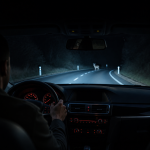


Driving at night can be stressful even in the best conditions. Rain, fog, glare from oncoming headlights, dark country roads, and hidden pedestrians can all make the road harder to read. That is why thermal night vision systems have become increasingly popular in vehicles. Unlike standard headlights or low-light cameras, thermal imaging detects heat signatures, making it easier to spot people, animals, and obstacles even in near-total darkness.
- What Car Thermal Night Vision Actually Does
- Top Brands for Car Thermal Night Vision
- 1. FLIR
- 2. Bosch
- 3. Valeo
- 4. Mercedes-Benz Night View Assist
- 5. Audi Night Vision Assistant
- 6. Toyota Safety Sense with Night Vision in Select Models
- 7. Specialty Off-Road and Fleet Thermal Brands
- What Makes a Great Brand?
- 1. Sensor quality
- 2. Detection range
- 3. Image processing
- 4. Integration with the vehicle
- 5. Durability and weather resistance
- 6. False alarm management
- OEM vs Aftermarket Thermal Night Vision
- How to Choose the Best Brand for Your Needs
- For luxury car buyers
- For serious thermal imaging performance
- For practical fleet or off-road use
- For reliability and everyday safety
- Real-World Scenarios Where Thermal Night Vision Helps
- Limitations to Keep in Mind
- Final Thoughts on the Best Car Thermal Night Vision Brands
If you are shopping for the car thermal night vision brands that deliver real value, it helps to understand what these systems do well, where they fall short, and which companies have built the strongest reputation for performance, reliability, and integration. In this guide, we will look at the top brands in the market, the features that matter most, and what kind of driver each brand is best suited for. For a helpful comparison of vehicle options, see Automotive Thermal Night Vision: Best Must-Have Car Safety System.
Table of Contents
What Car Thermal Night Vision Actually Does
Thermal night vision systems do not “see” the road the same way human eyes or standard cameras do. Instead, they detect infrared radiation, which is heat emitted by people, animals, engines, and other objects. The result is a grayscale or colorized image that makes warm objects stand out sharply from cooler surroundings.
In practical terms, car thermal night vision brands differ in how clearly they render heat signatures, how far they detect hazards, and how smoothly the system fits into the vehicle. That is why a good brand matters as much as the technology itself.
Why thermal imaging is useful in cars
Thermal systems are especially valuable because they can:
- Detect pedestrians and animals in complete darkness
- See through some visual distractions like light fog or glare
- Extend awareness beyond the range of headlights
- Improve reaction time on rural roads and highways
- Provide an added layer of safety in poor weather conditions
For a deeper look at deer-risk reduction, see Thermal Imaging: Slash Deer Crash Risk by 40% Now.
What thermal systems are not
Thermal systems are powerful, but they are not magic. They do not usually provide license plate clarity, lane markings as sharply as optical cameras, or the kind of detail a high-resolution visible-light camera can deliver. The best setups often combine thermal imaging with conventional cameras and driver-assistance features.
More EV News
To compare how a dedicated vehicle system works, read Car Thermal Imaging Camera: Must-Have Affordable Night Driving Safety.
Top Brands for Car Thermal Night Vision
There are several respected names in the market, but a few stand out for quality, availability, and real-world performance. Below are the best-known brands worth considering.
Quick brand comparison
| Brand | Best for | Main strength |
|---|---|---|
| FLIR | Premium detection | Thermal sensor quality |
| Bosch | OEM integration | Automotive engineering |
| Valeo | Factory-style systems | Practical driver focus |
| Mercedes-Benz | Luxury buyers | Polished user experience |
| Audi | Modern dashboards | Clean digital integration |
| Lexus | Reliability-minded buyers | Premium safety balance |
| Specialty brands | Fleet and off-road use | Rugged flexibility |
1. FLIR
FLIR is one of the most recognized names in thermal imaging, not just for automotive use but across military, industrial, security, and consumer applications. When people talk about high-quality thermal imaging, FLIR is usually one of the first names mentioned.
Why FLIR stands out
FLIR has long been considered a leader in sensor technology and thermal image processing. Their automotive systems have been used in both factory-installed and aftermarket applications, and the brand has a reputation for producing dependable hardware with strong detection capability.
Strengths
- Excellent thermal sensitivity and image quality
- Strong reputation in the thermal imaging industry
- Good detection distance for pedestrians and animals
- Proven technology in demanding environments
- Compatible with premium vehicle integration projects
Best for
FLIR is ideal for drivers who want premium performance and are willing to pay more for it. It is also a strong choice for fleet vehicles, luxury cars, and users who prioritize reliability over price.
Considerations
FLIR systems can be expensive, and depending on the model or installation setup, they may require specialized integration. This makes them better suited to serious buyers than casual users.
2. Bosch
Bosch is another major automotive technology brand with a strong reputation for safety systems and vehicle electronics. Its thermal night vision offerings benefit from Bosch’s experience in OEM automotive engineering and advanced driver assistance systems.
Why Bosch stands out
Bosch tends to focus on practical, automotive-grade solutions that integrate well with broader safety systems. That makes it especially appealing for manufacturers and premium vehicle owners who want technology that feels factory-built rather than aftermarket-added.
Strengths
- Strong automotive engineering background
- Seamless integration with vehicle systems
- Reliable performance in real driving conditions
- Good reputation for durability and design
- Often used in advanced OEM applications
Best for
Bosch is best for drivers and automakers who want a refined, integrated thermal night vision solution that fits within a larger safety ecosystem. It is especially attractive in modern vehicles with sophisticated digital dashboards and driver-assist features.
Considerations
Bosch systems are not always easy to buy as standalone retail products. In many cases, they are available through OEM or professional installation channels rather than direct consumer purchase.
3. Valeo
Valeo is a global automotive supplier known for developing lighting, electronics, and driver assistance systems. Its night vision technology is respected in the automotive industry, particularly among manufacturers looking for a balance of innovation and practicality.
Why Valeo stands out
Valeo has built a solid reputation for smart, automotive-focused technology. Its night vision systems are designed to improve situational awareness without overwhelming the driver with unnecessary complexity.
Strengths
- Automotive-grade engineering
- Good integration with vehicle safety systems
- Practical, driver-focused design
- Strong presence in European vehicle markets
- Proven OEM partnerships
Best for
Valeo is a strong option for drivers who want a factory-quality thermal vision solution, especially in European cars or premium models. It is also suitable for buyers who prefer systems that feel like part of the vehicle rather than an add-on.
Considerations
Like Bosch, Valeo products may be more common in OEM configurations than in direct consumer kits. Availability can vary depending on region and vehicle platform.
4. Mercedes-Benz Night View Assist
Mercedes-Benz deserves special mention because it has long been one of the most visible automakers offering advanced night vision systems in production vehicles. While not a standalone thermal brand, Mercedes-Benz Night View Assist is frequently referenced among the best car night vision systems available.
Why Mercedes-Benz stands out
Mercedes-Benz combines thermal sensing with an upscale user interface and advanced driver assistance. The system is designed to alert drivers to pedestrians or large animals ahead of the vehicle, often displaying the information directly in the dashboard or center screen.
Strengths
- Seamless factory integration
- Excellent user interface
- Strong reputation for luxury vehicle safety tech
- Useful visual warnings and alerts
- Well-engineered overall driver experience
Best for
This is best for drivers who want the cleanest, most polished night vision experience and are shopping within the luxury vehicle market. If you want thermal imaging that feels intuitive and refined, Mercedes-Benz is one of the strongest names to consider.
Considerations
This technology is typically tied to specific Mercedes models rather than sold as a universal product. It is less about aftermarket installation and more about choosing a vehicle with the system already built in.
5. Audi Night Vision Assistant
Audi has also been a major name in premium night vision systems. Its Night Vision Assistant uses thermal imaging to detect warm objects on or near the roadway and can highlight pedestrians and animals before they become visible in the headlight beam.
Why Audi stands out
Audi’s strength lies in blending safety technology with a clean, modern digital interface. Its systems are designed for drivers who value both function and presentation.
Strengths
- Excellent integration with Audi’s digital cockpit
- Strong detection of pedestrians and wildlife
- Sleek user interface
- Premium build quality
- Well-suited to high-speed road awareness
Best for
Audi is a smart choice for luxury-car drivers who want advanced night vision paired with a modern interior and sharp digital displays. It is especially appealing to those who value visual clarity and driver-assistance integration.
Considerations
As with Mercedes-Benz, this is usually available only on select models or trim levels. It is not a typical aftermarket solution.
6. Toyota Safety Sense with Night Vision in Select Models
Toyota is not usually the first brand people think of for thermal night vision, but certain Toyota and Lexus models have offered advanced night driving assistance technologies. In the wider Toyota family, Lexus has been more associated with premium night vision systems.
Why Toyota/Lexus matters
Toyota’s reputation for reliability makes its advanced safety features especially attractive. In Lexus models, night vision technology is often integrated into a broader premium safety package.
Strengths
- Reliable OEM integration
- Strong overall vehicle safety systems
- Good balance of performance and practicality
- Premium execution in Lexus models
- Trusted brand reputation
Best for
Drivers looking for a reliable luxury or near-luxury vehicle with built-in thermal or night vision assistance should consider Lexus more than standard Toyota models. It is a good match for buyers who want advanced tech without sacrificing long-term dependability.
Considerations
Availability varies significantly by model, market, and year. In many cases, this technology is not as common as in German luxury brands.
7. Specialty Off-Road and Fleet Thermal Brands
Beyond the major OEM and luxury automakers, several specialty brands serve off-road drivers, fleets, emergency vehicles, and industrial users. These brands may not be as famous in the mainstream car market, but they can be highly effective for thermal imaging in demanding environments.
Why specialty brands matter
Not every driver needs a polished factory system. Some want rugged hardware, broader viewing angles, or customizable monitoring. Specialty brands often focus on practical utility rather than luxury appeal.
Strengths
- Suitable for trucks, fleets, and off-road vehicles
- Often more customizable
- Can be better for commercial use
- Useful in harsh environments
- Sometimes easier to retrofit
Best for
These systems are ideal for rural drivers, emergency response vehicles, work fleets, and off-road applications where spotting animals, obstacles, or people at a distance is a priority.
Considerations
Image quality, software polish, and vehicle integration may not match top luxury OEM systems. Buyers should compare specifications carefully before choosing.
What Makes a Great Brand?
The best thermal night vision brands are not just the ones with the biggest name recognition. They are the ones that deliver accurate detection, useful alerts, and reliable operation in real-world driving.
1. Sensor quality
A good thermal sensor should detect heat signatures clearly and consistently. Higher sensitivity usually means better performance in difficult conditions.
2. Detection range
The farther a system can identify pedestrians or animals, the more time you have to react. This is especially important on highways and rural roads.
3. Image processing
Raw thermal data is useful, but good software turns that data into a usable driving aid. The best brands improve contrast, object detection, and alert accuracy.
4. Integration with the vehicle
A system that works smoothly with the dashboard, heads-up display, or infotainment screen is often more useful than one with a clunky separate monitor.
5. Durability and weather resistance
Automotive thermal systems should handle vibration, temperature swings, moisture, and constant use without failing.
6. False alarm management
A system that alerts too often can become annoying and less trustworthy. Good brands reduce false positives while still warning about real threats.
OEM vs Aftermarket Thermal Night Vision
When comparing brands, one of the biggest differences is whether the system is installed by the automaker or added later as an aftermarket product.
OEM systems
Factory-installed systems usually offer:
- Better integration
- Cleaner displays
- More stable software
- Support through the vehicle manufacturer
- A more polished user experience
OEM systems are common in luxury vehicles and higher-end trims.
Aftermarket systems
Aftermarket systems can offer:
- More flexibility
- Wider vehicle compatibility
- Potentially lower cost
- Easier upgrades for older vehicles
However, they may not look or feel as refined. Some also require professional installation and calibration.
For broader safety context, the U.S. National Highway Traffic Safety Administration offers helpful driver-safety guidance at NHTSA.
How to Choose the Best Brand for Your Needs
The right brand depends on how and where you drive. The best of the car thermal night vision brands for one driver may not be the best fit for another.
For luxury car buyers
Choose brands like:
- Mercedes-Benz
- Audi
- Bosch
- Valeo
These systems tend to offer the best integration and the most refined in-cabin experience.
For serious thermal imaging performance
Choose brands like:
- FLIR
- Bosch
These are strong choices for detection quality and trusted thermal technology.
For practical fleet or off-road use
Choose specialty thermal brands or OEM systems with strong utility features. Look for rugged designs, easy visibility, and distance detection over visual polish.
For reliability and everyday safety
Choose systems from established automotive suppliers such as Bosch, Valeo, or OEM implementations from trusted automakers. These often strike the best balance of safety, usability, and durability.
Real-World Scenarios Where Thermal Night Vision Helps
Thermal night vision is not just a luxury feature. In many situations, it can make a meaningful difference.
Rural roads
Deer, livestock, and pedestrians can appear suddenly on dark roads. Thermal systems can detect them much earlier than headlights alone. That is one reason many drivers research car thermal night vision brands before upgrading.
Fog and light rain
While thermal imaging is not a cure-all for poor weather, it often helps drivers identify warm objects when visual contrast is low.
Highway driving
At high speeds, extra seconds matter. A thermal system can extend your awareness beyond the headlight beam.
Urban driving
In cities, thermal imaging can help identify pedestrians crossing in low-light zones or near poorly lit intersections.
Fleet and emergency use
Commercial and emergency vehicles benefit from improved visibility during nighttime operations, especially in areas with limited street lighting.
Limitations to Keep in Mind
Even the best thermal night vision brands have limits. Understanding those limits helps you make a smarter decision.
Thermal imaging can struggle with
- Very hot environments where background temperatures are high
- Identifying object details like signs or lane markings
- Seeing through dense obstructions
- Providing the color and texture detail of normal cameras
It works best as a supplement
Thermal night vision should be viewed as an enhancement to normal driving safety, not a replacement for:
- Headlights
- Mirrors
- Defensive driving
- Standard driver-assistance systems
That is why car thermal night vision brands should be judged on how well they support the driver, not on marketing claims alone.
Final Thoughts on the Best Car Thermal Night Vision Brands
The best car thermal night vision brands bring something different to the table. Some, like FLIR, are known for advanced thermal technology and high detection performance. Others, like Bosch and Valeo, stand out for automotive-grade integration and engineering. Premium automakers such as Mercedes-Benz and Audi offer polished, factory-installed systems that feel seamless and intuitive. For buyers focused on reliability and premium safety, Lexus and other high-end OEM systems can also be excellent choices.
If your priority is raw thermal capability, FLIR remains one of the strongest names in the field. If you want a system that feels fully integrated into a modern vehicle, Bosch, Valeo, Mercedes-Benz, and Audi are all worth serious attention. The best choice depends on whether you value detection range, vehicle integration, or the convenience of a factory-installed solution.
When comparing car thermal night vision brands, look at the sensor, the software, and the way the system fits your driving habits. Also consider whether you need factory integration or aftermarket flexibility. In the end, the right option can make nighttime driving safer, less stressful, and more predictable.
For drivers who often travel after dark, especially in rural or low-visibility conditions, thermal night vision is one of the most useful advanced safety technologies available today.