

The Tesla Autopilot court case showed us scary proof about a deadly crash at 100km/h (62 mph).
- Key testimony unveiled three critical Tesla Autopilot failures:
- Tesla Autopilot tech has a known blind spot:
- So how do car companies like Ford, GM, and Mercedes avoid the kinds of crashes we see with Tesla’s Autopilot?
- Why thermals work when cameras fail:
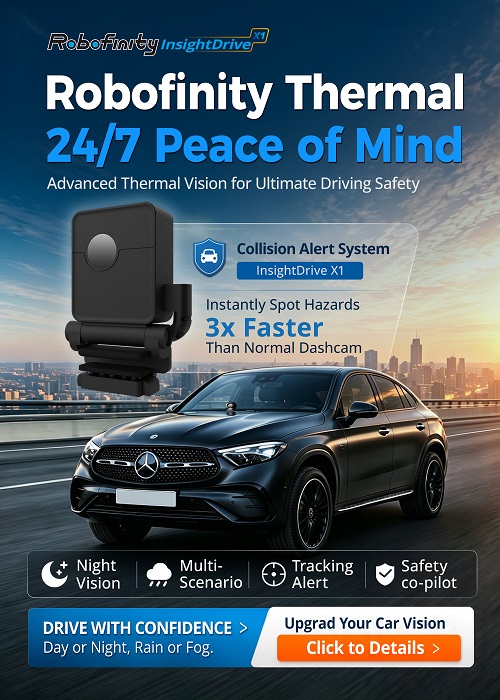
- Meet Robofinity car thermal night vision. Here’s how it protects you:
- Summary:
New testimony reveals big problems with Tesla Autopilot. This trial could change the future of Tesla Autopilot and self-driving cars forever.
What Really Happened That Day?
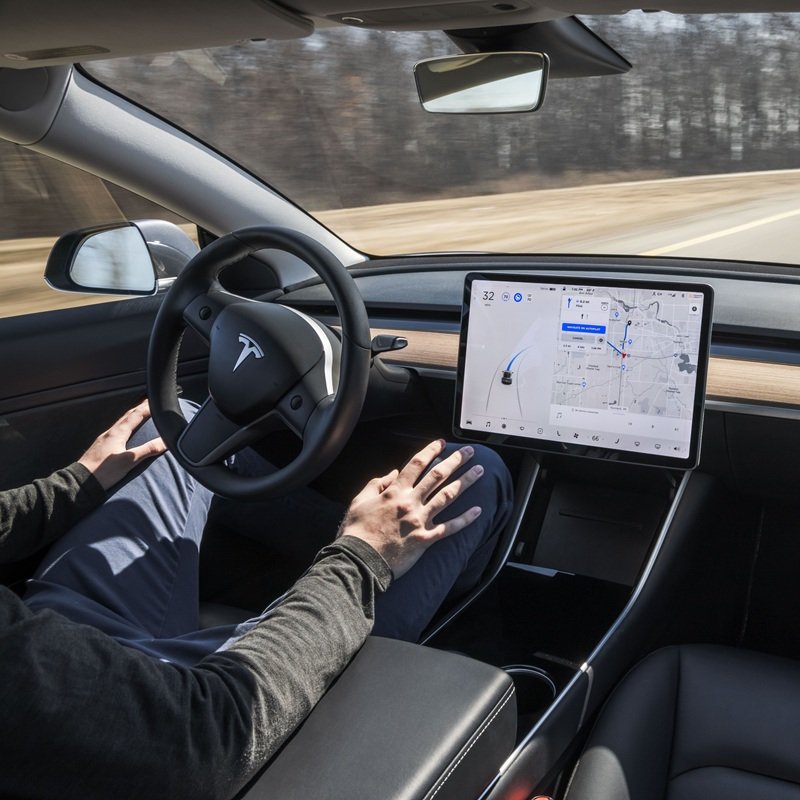
In 2019, a Tesla Model S sped down a Florida highway. The car was using Tesla Autopilot. Suddenly, Tesla Autopilot slammed into a parked SUV at 100km/h. The crash killed one person instantly.
For years, Tesla claimed the driver was at fault, not Tesla Autopilot. But trial evidence tells a different story.
Damning Evidence from the Trial
Key testimony unveiled three critical Tesla Autopilot failures:
- Tesla Autopilot didn’t “see” the stationary SUV until 1.2 seconds before impact.
- The Tesla Autopilot ignored emergency braking protocols.
- Tesla Autopilot driver warnings flashed too late for human reaction.
An engineer admitted under oath about Tesla Autopilot:
“The radar filters out ‘false objects’ like parked cars. That SUV was invisible to Autopilot.”
Court evidence suggests Tesla Autopilot system limitations may have contributed to the incident.
Why Tesla Autopilot Struggles with Stationary Objects?
Tesla Autopilot tech has a known blind spot:
Tesla Autopilot cameras get confused by unmoving objects (trucks, barriers, SUVs).
Radar dismisses them as “background clutter.”
Software prioritizes moving targets – a deadly flaw on highways.
Real-world example:
John T. (Uber driver, Texas): “My Tesla tried to drive under a stopped fire truck last month. Scared me to death.”

So how do car companies like Ford, GM, and Mercedes avoid the kinds of crashes we see with Tesla’s Autopilot?
They don’t rely on just one safety system – they stack backups on top of backups. While Tesla’s setup has weak camera-radar teamwork that often misses stopped cars, other brands use triple-check systems that cross-verify everything.
Big difference: Some automakers prioritize camera-radar fusion over thermal sensors due to cost considerations, but these are now standard in luxury models. And when it comes to emergency brakes? Tesla’s are slow to kick in, while others react in 0.2 seconds – faster than you blink!
Those thermal car cameras are the real hero though: they spot warm things like people, animals, or car engines even in total darkness, thick fog, or blinding sun glare. It’s like giving cars night-vision superpowers!
While automakers debate system designs, consumers can proactively enhance safety with existing thermal imaging technology.
Why thermals work when cameras fail:
Heat signatures don’t care about lighting. A person = 98°F glow. A parked car = engine residue. Robofinity thermal car camera never gets “blinded.”
Safety researcher Dr. Elena Rossi sums it up:
“According to 2023 IIHS report, camera-only systems miss 40% of static objects at night Thermal isn’t optional – it’s essential.”
How to Make Your Car Safer Today?
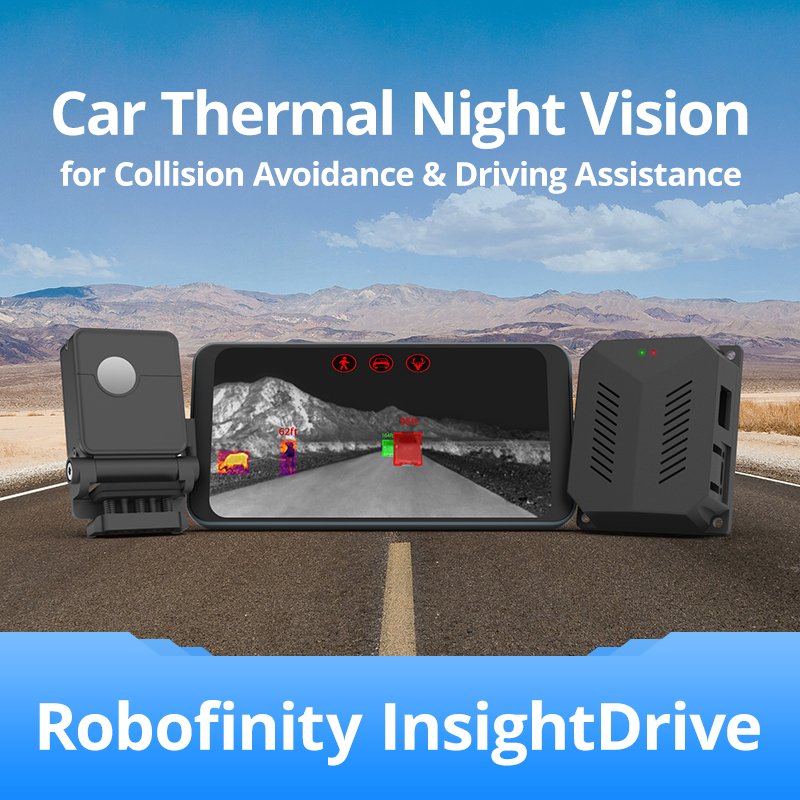
Meet Robofinity car thermal night vision. Here’s how it protects you:
“See people walking or animals in pitch darkness”
(Like that dog that darts across unlit roads at night – Robofinity shows its heat signature 200m(656ft) away)
“Cut through fog/snow glare like it’s nothing”
(When wipers can’t keep up, it detects stalled cars or road debris by their engine heat)
“Catch hidden risks in blinding sun”
(Kids behind parked cars during school pickup? Bikes in sunset glare? Their body heat pops on screen)
Real Driver Story:
“Driving home in thick fog last month, Robofinity beeped at a heat blob ahead. Slowed down just in time – a crashed ATV was lying in my lane!”
– Sarah K., mom of two, Michigan
Summary:
The tragic Tesla trial reminds us: no self-driving tech is perfect. But while car giants play catch-up, you don’t have to gamble with safety. Car thermal cameras like Robofinity turn any car into a hazard-spotting hero – seeing danger where eyes and cameras fail. For less than a tank of gas, it’s peace of mind that works rain or shine. Because when lives are at stake, ‘seeing the invisible’ isn’t science fiction. It’s common sense.