



For buyers evaluating pickup truck daily use, the answer depends less on a truck’s image and more on how well it fits their routine. A modern pickup may provide comfortable seating, useful cargo capacity, strong towing ability, and confidence on rough roads. At the same time, its size, fuel use, parking demands, and ownership costs can make ordinary commuting less convenient than it would be in a car or crossover.
- Table of Contents
- Is pickup truck daily use practical?
- Why a Pickup Can Work Well as an Everyday Vehicle
- A Bed Keeps Messy Cargo Out of the Cabin
- Towing Capability Is Available When Needed
- Crew Cabs Can Accommodate Families
- Rough-Road Ability Can Be Useful
- A Pickup Can Consolidate Several Roles
- The Daily Compromises That Matter Most
- Fuel and Energy Consumption
- Parking and Maneuverability
- Ride and Handling
- Purchase Price and Ongoing Costs
- Cargo Security and Weather Protection
- How a Pickup Fits Different Driving Environments
- Choosing the Right Pickup for Daily Driving
- Compact or Midsize Pickup
- Full-Size Pickup
- Cab and Bed Configuration
- Two-Wheel Drive or Four-Wheel Drive
- A Practical Daily-Use Test Before You Buy
- Check the Physical Fit
- Bring the Equipment You Use
- Drive a Familiar Route
- Calculate a Realistic Ownership Budget
- Test Visibility in Both Directions
- Daily Ownership Habits That Make a Truck Easier to Live With
- A Simple Decision Framework
- Frequently Asked Questions
- Is a pickup comfortable enough for a daily commute?
- Is a pickup difficult to park?
- Does a pickup cost much more to run than a car?
- Is a pickup a practical family vehicle?
- Should I buy four-wheel drive for everyday use?
- Is a truck safer because it is larger?
- Conclusion
Successful pickup truck daily use depends on whether you will use enough of the vehicle’s capability to justify its compromises. Most trucks can handle everyday driving, but that does not mean every truck is a practical choice for every driver.
Table of Contents
- The short answer
- Everyday benefits
- Daily compromises
- Different driving environments
- Choosing the right pickup
- A practical test before buying
- Daily ownership habits
- Decision framework
- Frequently asked questions
Is pickup truck daily use practical?
In general, pickup truck daily use makes sense when you regularly carry dirty, bulky, or heavy cargo; tow a trailer; travel on rough roads; or need one vehicle to cover both work and personal duties. It may also suit drivers who value a high seating position, a spacious crew cab, and the flexibility of an open bed.
A pickup is usually less practical when your routine consists mainly of short urban trips, tight parking garages, narrow streets, and commuting alone with little cargo. In that situation, a compact car, wagon, hatchback, or crossover will generally be easier and potentially less expensive to operate.
The decision about pickup truck daily use becomes clearer when you compare the truck’s real advantages with the costs and inconveniences that appear during ordinary ownership.
Why a Pickup Can Work Well as an Everyday Vehicle
Modern models make pickup truck daily use more comfortable than it once was. Many trucks now offer the connectivity, cabin quality, and driver-assistance features expected in passenger vehicles, although their most important benefits still come from their practical design.
More EV News

A Bed Keeps Messy Cargo Out of the Cabin
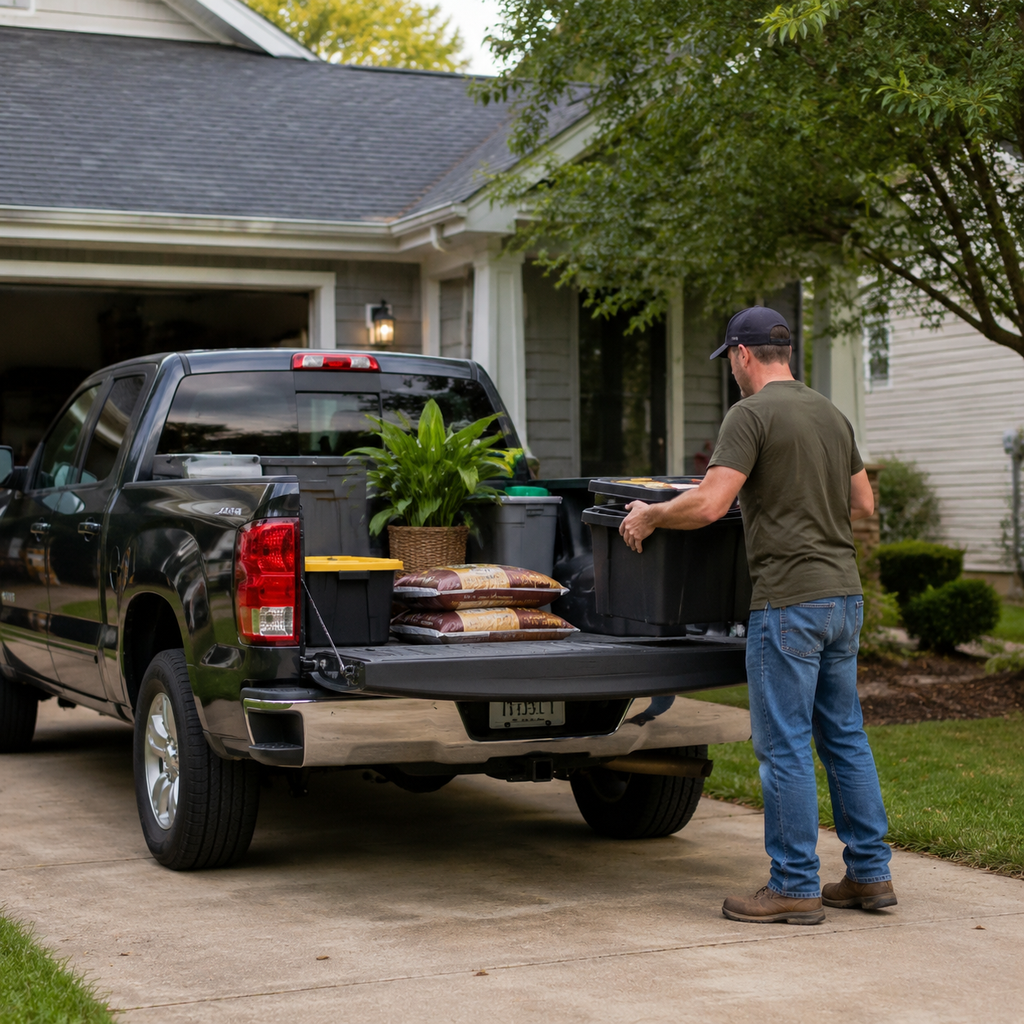
The separate cargo bed is one of a pickup’s strongest advantages. Building materials, garden supplies, bicycles, fuel containers, wet outdoor equipment, and other awkward items can be carried without taking over the passenger area.
This distinction matters in real life. A crossover may have a large cargo compartment, but soil, paint, damp camping equipment, or greasy machinery can damage carpeting and leave odors inside. A truck bed is generally better suited to that type of load and easier to clean.
For pickup truck daily use, an open bed is not automatically secure or weatherproof. Groceries, luggage, electronics, and work tools may need a locking cover, bed cap, or secure storage box. Those accessories add cost and can reduce the convenience of loading tall objects.
Towing Capability Is Available When Needed
For someone who regularly pulls a utility trailer, boat, caravan, travel trailer, or equipment trailer, a properly configured pickup can serve as both a weekday commuter and a weekend tow vehicle. Owning one capable vehicle may be more practical than maintaining separate vehicles for different jobs.
Safe pickup truck daily use requires understanding that towing capacity is not determined by appearance or engine size alone. It depends on the specific model, powertrain, axle configuration, drivetrain, body style, equipment, and allowable payload. Owners should confirm the ratings for the exact truck and calculate the weight of passengers, cargo, accessories, and trailer tongue load.
A truck’s advertised maximum is not a target for casual estimation. Stable towing also depends on correct loading, suitable tires, functional brakes, appropriate mirrors, and a compatible hitch setup. The National Highway Traffic Safety Administration’s towing safety guidance explains important checks for the vehicle, trailer, hitch, tires, and load.
Crew Cabs Can Accommodate Families
A full crew cab can provide genuine rear-seat space, making some pickups suitable for school runs, family trips, or carrying coworkers. A rear bench may also offer useful storage beneath or behind the seat.
When planning pickup truck daily use for a family, cab configuration deserves close attention during a test drive. Extended cabs and crew cabs may look similar in photographs but differ substantially in rear legroom, door access, and child-seat usability. Buyers should install or at least position their child seats before deciding. A wide cabin does not necessarily guarantee convenient anchor access or enough room for a rear-facing seat behind a tall driver.
Rough-Road Ability Can Be Useful
Ground clearance, robust tires, available four-wheel drive, and durable suspension can be valuable on construction sites, farms, unpaved roads, snowy routes, or poorly maintained access tracks. This is a practical advantage for drivers whose commute includes more than smooth pavement.
Even with pickup truck daily use on rough roads, that ability should not be confused with invulnerability. Four-wheel drive can improve traction when accelerating, but it does not shorten braking distance on snow or ice. A heavy vehicle still requires suitable tires, controlled speed, and generous space for stopping and turning.
A Pickup Can Consolidate Several Roles
The strongest case for pickup truck daily use often comes from versatility. A single vehicle may cover commuting, home projects, towing, outdoor activities, and family travel. When those uses occur regularly, the truck’s additional costs may be easier to justify.
Occasional needs should be evaluated differently. Renting a pickup or arranging delivery several times a year may cost less than driving, insuring, and parking a larger vehicle every day.
The Daily Compromises That Matter Most
A realistic assessment of pickup truck daily use must account for the fact that a capable truck may perform demanding jobs well while still being inconvenient during the other 90 percent of its use. These are the trade-offs to examine before buying.
Fuel and Energy Consumption
Fuel cost is a central consideration in pickup truck daily use because a truck’s weight, height, tires, drivetrain, and aerodynamic profile can increase energy consumption compared with a smaller passenger vehicle. The difference becomes important for high-mileage commuters and drivers making frequent short trips.
Do not judge operating cost from one advertised efficiency figure. Estimate it using your actual annual distance, typical road type, local fuel or electricity costs, and likely driving conditions. Cold weather, towing, heavy loads, off-road tires, roof accessories, and repeated stop-and-go travel can all affect consumption. Buyers comparing other efficient vehicle types can also review this guide to hybrid versus gasoline models.
Electric pickups remove fuel purchases but do not remove the need for careful planning. Charging access, real-world range, cold-weather performance, towing-related range reduction, vehicle weight, and charging time all matter. The best powertrain is the one that works with the owner’s route and use pattern rather than the one that sounds most advanced.
Parking and Maneuverability
Parking is often the most noticeable pickup truck daily use challenge. Length and turning radius may matter even more than width, and a long-bed crew-cab truck may protrude from urban parking spaces, require several movements in a garage, or struggle in older multistory car parks.
Before purchasing, measure the places the vehicle must use:
- Home garage length, width, height, and door opening
- Workplace parking space and access ramps
- Common supermarket or street-parking locations
- Maximum height in frequently used garages
- Space required to open the tailgate
- Turning room in the driveway or residential street
Cameras, parking sensors, and surround-view systems can make a large truck easier to position, but they cannot make a parking space longer or a narrow ramp wider.
Ride and Handling
Pickup behavior varies considerably. Some trucks have a composed, passenger-friendly ride, while others feel stiff or unsettled when the bed is empty. Long wheelbases may improve straight-line stability but reduce maneuverability. Tall ride height and substantial mass can also make rapid direction changes feel different from those in a sedan.
A useful pickup truck daily use test drive should include broken pavement, speed bumps, a highway section, a tight parking exercise, and a familiar narrow road. Testing only on a smooth route near the dealership can hide the characteristics that become tiring during ownership.
Do not add unnecessary weight to the bed in an attempt to improve ride quality or traction. Unsecured ballast can shift or become hazardous, and added mass affects payload and braking. Follow the vehicle manufacturer’s guidance.
Purchase Price and Ongoing Costs
A pickup truck daily use budget must extend beyond the monthly payment. Depending on the vehicle and location, a larger truck may bring higher expenses for:
- Insurance
- Tires
- Brake components
- Registration or taxation
- Routine servicing
- Fuel or electricity
- Parking
- Car washes
- Bed covers, liners, steps, and towing equipment
Truck tires can be particularly expensive, and aggressive all-terrain patterns may add noise or increase energy consumption. Larger brakes and suspension components may also cost more to replace than equivalent parts on a compact vehicle.
Insurance, tax, and licensing treatment vary by country and jurisdiction. Obtain quotes for the exact model and trim rather than relying on assumptions about the entire vehicle category.
Cargo Security and Weather Protection
A bed is excellent for dirty or oversized cargo but less convenient for everyday valuables. Shopping bags can slide around, luggage may be exposed to rain, and visible tools can attract theft.
For practical pickup truck daily use, a locking tonneau cover or cap can solve some of these problems, although neither should be assumed to provide perfect protection. Buyers should evaluate water resistance, lock design, access, removable panels, and compatibility with bed racks or other accessories.
For routine grocery trips, small bins or cargo dividers can prevent items from moving across the bed. Alternatively, a crew cab may provide enough enclosed space, but leaving valuables visible inside any vehicle remains unwise.
How a Pickup Fits Different Driving Environments
The suitability of pickup truck daily use changes dramatically with location. The same vehicle that feels natural on a rural route may be frustrating in a dense city.
City Commuting
Urban pickup truck daily use involves narrow lanes, cyclists, pedestrians, delivery vehicles, low garages, and limited parking. A compact or midsize pickup may be manageable, particularly when equipped with good visibility aids, but a full-size model can demand more planning.
Drivers should pay close attention to blind areas near the front corners, rear bumper, and passenger side. A high seating position provides a broad view of traffic ahead, yet objects immediately around the truck can be harder to see. Slow-speed observation remains essential even when cameras and sensors are fitted.
Suburban and Mixed Driving
Suburban roads, driveways, and retail parking areas often accommodate trucks more easily. For homeowners who regularly transport renovation supplies, garden waste, sports equipment, or bicycles, a pickup can be genuinely convenient.
The pickup truck daily use trade-off in suburban areas is that many routine tasks involve carrying people and protected cargo rather than loose materials. A crossover may provide most of the required space with easier parking and enclosed storage. The deciding factor is how frequently the open bed and towing capacity will actually be used.
Rural Roads and Work Sites
Rural pickup truck daily use can make a stronger case for owning a truck. Ground clearance, load capacity, a durable bed, and available four-wheel drive may all serve recurring needs. A truck can carry fencing supplies, tools, feed, outdoor equipment, or machinery without bringing debris into the cabin.
Nighttime road safety also deserves consideration. Wildlife, pedestrians, unlit vehicles, sharp bends, and limited street lighting can reduce the time available to recognize hazards. Clean windshields, properly aimed headlights, suitable speed, and attentive scanning are the foundation of safer low-light driving.
Driver-assistance technology may supplement those habits, especially on dark rural routes. A vehicle thermal imaging system can help drivers understand how thermal detection supports awareness in complete darkness, but such technology does not replace headlights, mirrors, safe braking distance, legal speed, or driver attention.
Highway Commuting and Long Trips
Highway pickup truck daily use may be comfortable because of a truck’s stable road presence, cabin space, and seating position. Conversely, wind noise, firm suspension, fuel stops, and the difficulty of parking at the destination can reduce that advantage.
Seat comfort should be assessed over more than a few minutes. Check thigh support, steering-wheel reach, pedal position, head restraint placement, and rear-seat posture. A premium interior is not automatically ergonomic for every driver.
Choosing the Right Pickup for Daily Driving
If pickup truck daily use suits the overall use case, selecting the right size and configuration is more important than maximizing capability.
Compact or Midsize Pickup
For many drivers, pickup truck daily use is easier with a compact or midsize model. A smaller truck may offer enough bed utility for household projects, bicycles, outdoor equipment, and light-duty work while being easier to park and maneuver.
The limitations are typically a smaller cabin or bed, lower payload and towing limits in some configurations, and less space for large families. The exact balance varies by model, so compare measurements and ratings rather than relying on category labels.
Full-Size Pickup
Full-size pickup truck daily use makes sense for substantial towing, heavy cargo, a spacious crew cab, or frequent commercial use. Its wider bed and broader range of configurations can provide more flexibility.
Its size also magnifies daily inconveniences. Garage compatibility, urban maneuvering, tire cost, energy consumption, and washing or servicing access should be considered before purchase. Buying more capacity than necessary may mean paying for weight and dimensions that rarely deliver value.
Cab and Bed Configuration
Choosing the right dimensions can make pickup truck daily use considerably easier. The longest cab and longest bed may look like the most versatile combination, but it can create an extremely long vehicle, so prioritize the area used most often.
Choose more cabin space when passengers, child seats, or enclosed storage are routine needs. Choose more bed length when building materials, equipment, or large recreational items are regularly carried. If both are essential, verify that the resulting wheelbase fits daily parking and turning requirements.
Two-Wheel Drive or Four-Wheel Drive
For pickup truck daily use, four-wheel drive may be worthwhile for snow, loose surfaces, steep unpaved access roads, work sites, or launching trailers. It can add cost, weight, mechanical complexity, and sometimes energy consumption.
For drivers who remain on maintained roads in moderate conditions, two-wheel drive with appropriate tires may be sufficient. Tire quality and seasonal suitability have a major effect on traction, steering, and braking regardless of drivetrain.
A Practical Daily-Use Test Before You Buy
A conventional test drive answers only part of the pickup truck daily use question. A better evaluation recreates the owner’s actual routine.
Check the Physical Fit
Before committing to pickup truck daily use, measure the truck rather than estimating by sight. Confirm overall length, width including mirrors, height, ground clearance, and tailgate clearance. Compare those dimensions with the garage, parking spaces, and height restrictions you encounter.
Bring the Equipment You Use
Take a child seat, stroller, work case, bicycle measurements, mobility equipment, or other frequently carried items. Confirm that they fit without requiring an awkward setup. If towing is important, review the exact ratings and payload label for the specific vehicle.
Drive a Familiar Route
Include the tightest turn, narrowest street, steepest ramp, roughest pavement, and busiest parking area in your normal week. A truck that feels manageable there is more likely to remain comfortable after the novelty fades.
Calculate a Realistic Ownership Budget
A realistic pickup truck daily use budget should use annual distance and local energy prices to estimate running costs. Add insurance quotes, expected servicing, tire replacement, parking, taxes, and essential accessories. A bed cover, liner, tow equipment, winter tires, or side steps may be necessary for your intended use rather than optional extras.
Test Visibility in Both Directions
Visibility can determine whether pickup truck daily use feels manageable. Adjust the seat and mirrors correctly, check sightlines around the front corners and over each shoulder, reverse into a space, and pull forward between parked vehicles. If possible, arrange a drive after dark to evaluate headlights, reflections, control illumination, and camera performance.
Daily Ownership Habits That Make a Truck Easier to Live With
Responsible habits can make pickup truck daily use more practical while reducing unnecessary wear and avoidable risks.
Secure every load, even on short journeys. Lightweight objects can leave the bed at speed, while heavy items can shift during braking or cornering. Use appropriate tie-down points and restraints, and comply with local load-covering requirements.
Monitor tire pressures according to the manufacturer’s guidance. Incorrect pressure can affect handling, tire wear, energy use, and load-carrying performance. Inspect the tires more frequently when towing, hauling, or driving on rough surfaces.
Track payload rather than judging by whether the load physically fits. Payload can include occupants, cargo, bed accessories, aftermarket equipment, and trailer tongue weight. A large bed can hold more volume than the truck is legally or mechanically rated to carry.
Keep cameras, sensors, lights, mirrors, and the windshield clean. Trucks used on dusty roads or work sites can quickly accumulate dirt that reduces visibility or interferes with driver-assistance equipment.
Finally, drive to the vehicle’s size and weight. Leave adequate following distance, slow before tight bends, and avoid assuming that a commanding seating position creates more grip or shorter stopping distances.
A Simple Decision Framework
Pickup Truck Daily Use is likely to be a good choice when most of the following are true:
- You use the bed at least several times per month.
- You tow or haul often enough that renting is inconvenient.
- Your regular parking spaces comfortably fit the truck.
- Your budget covers the full ownership cost, not just the purchase price.
- Your passengers fit safely and comfortably in the chosen cab.
- Your normal roads benefit from ground clearance or four-wheel drive.
- You accept the trade-offs in maneuverability and energy consumption.
A smaller vehicle is likely to be the better choice when most of these statements apply:
- The truck would usually carry only one person and no cargo.
- Most trips take place in dense urban areas.
- Garage or street parking is already difficult.
- Towing and hauling needs occur only a few times per year.
- Enclosed, weather-protected cargo space is more useful than an open bed.
- Low running costs and easy maneuverability are top priorities.
There is also a middle ground between full-size pickup truck daily use and choosing a conventional car. A compact pickup may cover light-duty needs, while a crossover with a suitable trailer rating may handle enclosed cargo and occasional towing. Renting a larger truck for rare jobs can be the most economical solution of all.
Frequently Asked Questions
Is a pickup comfortable enough for a daily commute?
Many modern pickups make pickup truck daily use comfortable, especially models and trims designed for personal use. Comfort varies by suspension, wheel and tire package, seat design, cab size, and road surface. A long test drive on familiar roads is more useful than judging comfort from the specification sheet.
Is a pickup difficult to park?
It can be, particularly with a full-size crew cab or long bed. Parking sensors and cameras help with positioning, but overall length, width, height, and turning radius still matter. Measure your home, workplace, and frequently used parking facilities before buying.
Does a pickup cost much more to run than a car?
The cost of pickup truck daily use is often higher because of energy consumption, tire size, insurance, and replacement parts, but the difference depends on the specific vehicles and annual mileage. Compare complete ownership estimates for the exact truck and the smaller vehicle you would otherwise buy.
Is a pickup a practical family vehicle?
A crew-cab truck can work well for a family if the rear seat accommodates everyone comfortably and child seats can be installed correctly. Families should also consider where luggage, groceries, and valuables will go, because an uncovered bed is neither fully secure nor weather-protected.
Should I buy four-wheel drive for everyday use?
Four-wheel drive is useful for loose surfaces, snow, rough access roads, and certain work or towing situations. It may be unnecessary for drivers who stay on maintained roads in mild conditions. Suitable tires and careful driving remain essential with either drivetrain.
Is a truck safer because it is larger?
Size and mass can influence crash outcomes, but they do not make a vehicle universally safer. Pickups may have longer stopping distances, larger blind areas, and a higher center of gravity than smaller cars. Evaluate current safety equipment, visibility, handling, tires, and independent crash information for the specific model where available.
Conclusion
Pickup Truck Daily Use can be an excellent choice when the bed, towing ability, passenger space, and rough-road capability solve recurring problems. It becomes harder to justify when those strengths are rarely used and the owner must deal with higher operating costs, tight parking, exposed cargo, and a larger footprint on every trip.
The best decision about pickup truck daily use should reflect the most common week of ownership, not the most demanding day you can imagine. Measure your parking space, test the exact cab and bed configuration, calculate a complete annual budget, and drive the truck on roads you know. That practical assessment will reveal whether a pickup adds useful flexibility to everyday life or simply adds more vehicle than the routine requires.