


Daily Car Maintenance is one of the simplest ways to keep your vehicle safe, reliable, and ready for whatever your commute throws at you. These essential daily checks take just a few minutes, but they can help you spot changes early—before small issues turn into breakdowns or unsafe driving conditions.
- Why Daily Car Maintenance Matters
- The Core Daily Checks Every Driver Should Make
- Inspect Tires Before You Drive
- Check Fluid Levels and Leaks
- Test Lights and Signals
- Keep Windows, Mirrors, and Cameras Clean
- Look at the Dashboard for Warning Lights
- Check the Battery Area and Starting Behavior
- Verify Brakes and Pedal Feel
- Make Sure the Cabin Is Ready for Safe Driving
- How Seasonal Conditions Change Daily Maintenance Priorities
- Daily Maintenance for Long Commutes and Highway Driving
- A Practical Daily Car Maintenance Routine
- When to Stop Driving and Get the Car Checked
- FAQ
- How long should daily car maintenance take?
- Do I need to check oil every day?
- What is the most important daily maintenance task?
- Should I clean my windshield every day?
- Can driver-assistance technology replace daily maintenance?
- Is night driving harder on a car?
- Conclusion
Why Daily Car Maintenance Matters
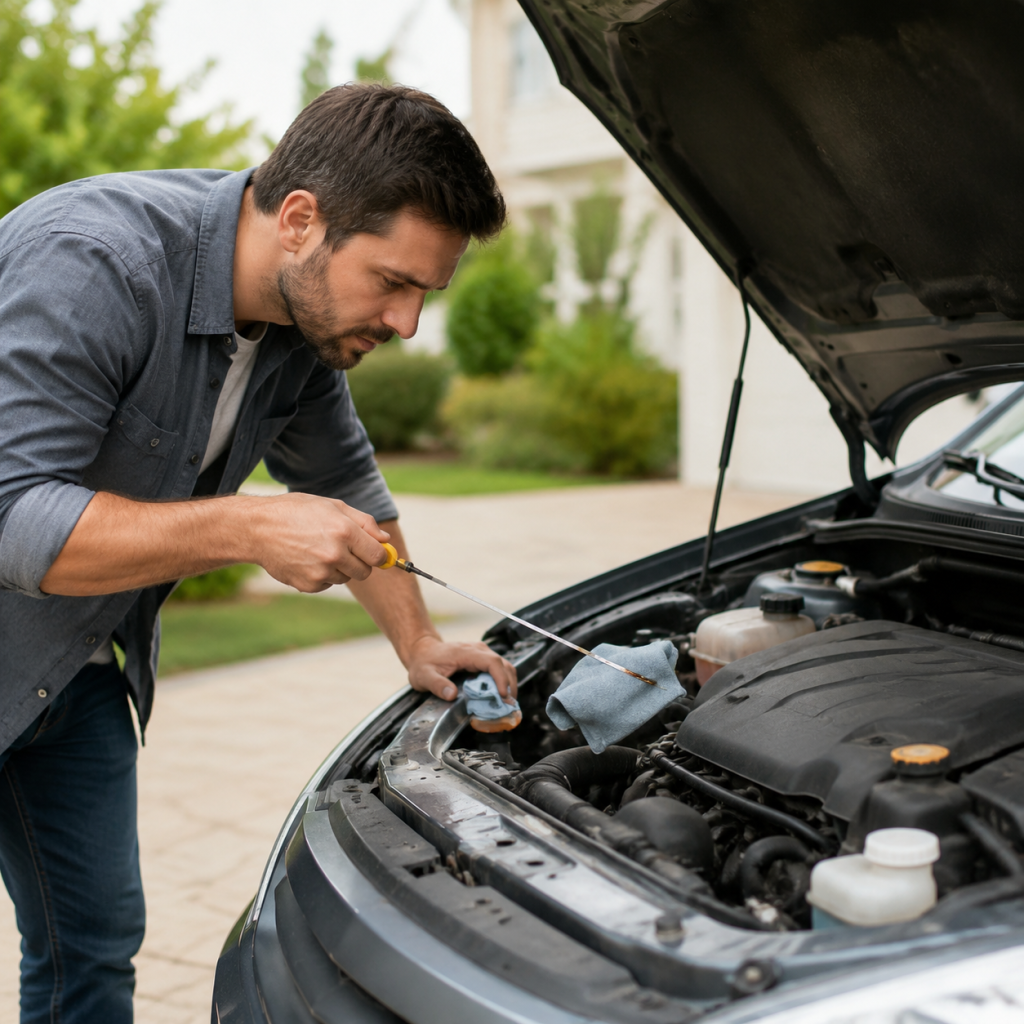
Daily Car Maintenance is often misunderstood. It is not the same as scheduled servicing at a repair shop. Instead, it is the set of quick checks and habits that help you notice changes in your vehicle before they become serious problems.
A car usually gives warning signs before a major failure. A tire may look slightly low, a headlight may be out, or a fluid leak may appear under the engine bay. If those signs are caught early, the fix is usually simpler and cheaper—and you reduce the chance of being surprised by a problem while driving.
Daily Car Maintenance also supports safer decision-making. A driver who knows the condition of the vehicle can adjust speed, route, and stopping distance. That matters in poor visibility, at night, or during bad weather.
The Core Daily Checks Every Driver Should Make
A short daily inspection can be done in a few minutes. The exact routine depends on your vehicle and how often it is used, but the following checks are the most practical place to start.
Inspect Tires Before You Drive
Tires affect braking, steering, handling, and fuel use. They are one of the most important parts of daily car maintenance because even a small issue can affect safety.

Look for visible signs of trouble such as:
- Uneven wear
- Low tire pressure
- Bulges or cuts in the sidewall
- Objects stuck in the tread
- Flat spots or unusual deformation
If a tire looks noticeably lower than the others, do not assume it is fine. A slow leak may still allow the car to move, but that does not mean the tire is safe. Driving on underinflated tires can reduce control, increase wear, and affect stopping performance.
Drivers should also get used to the feel of the vehicle. If the steering suddenly feels heavier, the car pulls to one side, or vibration increases, a tire or alignment issue may be developing—an early finding that’s part of effective daily car maintenance.
Check Fluid Levels and Leaks
A car depends on several fluids to stay operational. Not all of them need to be checked every single day by every driver, but it is smart to keep an eye on the most important ones—especially if the vehicle is older or used heavily. This is a key part of daily car maintenance.
Pay attention to:
- Engine oil
- Coolant
- Brake fluid
- Windshield washer fluid
Even more important than the level itself is the presence of leaks. A dark spot under the car, a sweet smell near the engine, or an oily residue around the parking area can point to trouble. A tiny leak may not seem urgent on day one, but over time it can become a major issue and turn routine daily car maintenance into a missed warning.
In cold climates, washer fluid matters more than many drivers expect. Dirty roads, slush, salt spray, and grime can quickly block visibility. If the reservoir is empty, a routine drive can become unnecessarily stressful.
Test Lights and Signals
Visibility is a two-way issue. You need to see the road, and other drivers need to see you—so lights should be checked regularly. Checking lights is also one of the easiest wins in daily car maintenance.
Make sure the following are working:
- Headlights
- Brake lights
- Turn signals
- Hazard lights
- Daytime running lights
- Reverse lights
- Interior dash illumination if it affects warning visibility
A burned-out bulb is easy to ignore if the vehicle still drives normally, but it can create serious risk in traffic. Brake lights and turn signals are especially important because they communicate your intentions to others—exactly what daily car maintenance is meant to protect.
A quick visual walkaround can catch most lighting problems. If possible, check reflections off a wall, garage door, or store window. Many drivers do not notice a failed light until another motorist points it out.
Keep Windows, Mirrors, and Cameras Clean
Daily driving depends on clear visibility. Dirt, condensation, road film, and dust can reduce what you see from inside the vehicle—and what safety systems can detect outside it. Clean glass and lenses are part of daily car maintenance.
Clean the:
- Windshield
- Side windows
- Rear window
- Side mirrors
- Rearview mirror
- Backup camera lens
- Parking sensors and camera housings
If your car uses driver-assistance technology, dirty sensors can reduce performance or create false alerts. Cameras and sensors are only helpful when they have a clear view of the surroundings.
This becomes even more important in rain, snow, fog, or winter road salt. A few seconds spent cleaning glass and mirrors can make a large difference in driving confidence and improve the results you get from daily car maintenance.
Look at the Dashboard for Warning Lights
Modern vehicles are designed to tell drivers when something is wrong. Warning lights are not suggestions, and they should not be ignored.
Learn the difference between a minor reminder and a real mechanical warning. For example, a low washer fluid reminder is not the same as an engine or brake alert. If a warning light appears and you do not know what it means, check the owner’s manual rather than guessing.
If the check engine light is steady, the car may still be drivable, but it should be inspected soon. If a brake warning, oil pressure warning, or overheating alert appears, the vehicle may need immediate attention—this is where daily car maintenance becomes critical.
A daily dashboard glance takes almost no time and can save you from a major breakdown.
Check the Battery Area and Starting Behavior
A weak battery often shows signs before it fails completely. Slow cranking, dim lights on startup, or inconsistent electrical behavior can point to a battery issue. Noticing these changes is part of strong daily car maintenance.
Take notice if:
- The engine starts more slowly than usual
- Lights dim when starting
- Electronics reset unexpectedly
- There is corrosion around the battery terminals
Battery problems often show up in extreme temperatures. Cold weather can reduce performance, while heat can shorten battery life over time. If a vehicle has been struggling to start for several mornings in a row, it should not be ignored—treat it as an urgent daily car maintenance signal.
Verify Brakes and Pedal Feel
Drivers do not need to test brakes aggressively every morning, but they should pay attention to pedal feel and stopping behavior during normal driving. Brake awareness is a key daily car maintenance skill.
Warning signs include:
- A soft or spongy brake pedal
- Grinding or squealing sounds
- The car pulling during braking
- Longer stopping distance
- A brake warning light
If something feels different from the normal pattern, that is a reason to investigate. Brakes are not a system where drivers should wait and see. Even a minor change can matter in daily car maintenance.
Make Sure the Cabin Is Ready for Safe Driving
Small interior habits improve safety more than many drivers realize. A clean and uncluttered cabin reduces distractions and helps the driver respond faster. This daily car maintenance step also improves comfort and control.
Check for:
- Loose items rolling under pedals
- Visibility obstructions on the dashboard or windshield
- Correct seat and mirror position
- Proper seat belt operation
- Clear access to climate controls and defrost settings
A strong driving position makes long trips easier and helps reduce fatigue. Mirrors should be adjusted before moving, not while driving. If the windshield is fogged, the defrost system should clear it before entering traffic.
How Seasonal Conditions Change Daily Maintenance Priorities
Different weather conditions change what drivers should watch most closely, so daily car maintenance should adapt with the seasons.
In winter, focus on:
- Tire pressure
- Defrosting and visibility
- Washer fluid
- Battery performance
- Road grime on lights and cameras
In heavy rain, focus on:
- Tire tread and traction
- Wiper condition
- Fogging inside the cabin
- Brake responsiveness
- Headlight cleanliness
In summer, focus on:
- Coolant and overheating risk
- Tire pressure changes from heat
- Battery stress
- A/C performance
- Fluid evaporation or low levels
Seasonal awareness is part of responsible daily car maintenance because the same vehicle can behave differently depending on temperature, moisture, and road surface conditions.
Extra Tip: Adjust Your Routine After Weather Events
After a storm, heavy snowfall, or long road trips, a “quick reset” can be as valuable as the daily routine. Take an extra look at tires, glass, and lighting. Check for new debris stuck in the tread or sensors, and clear any residue that could reduce visibility.
Daily Maintenance for Long Commutes and Highway Driving
Drivers who spend more time on highways or long-distance routes need an especially disciplined routine. Higher speeds leave less room to correct a problem once it appears, which makes daily car maintenance even more important for long commutes.
Before long drives, make sure:
- Tires are properly inflated and not damaged
- All lights are working
- The windshield is clean inside and out
- The fuel tank has enough range for the route
- No dashboard warning lights are active
- The cargo area is secured so items cannot shift
If a commute regularly starts before sunrise or ends after dark, visibility tools matter even more. That includes clean glass, functional lighting, and reliable driver-assistance systems that can help the driver notice hazards sooner.
If you want to prioritize long-term reliability, you may also find this helpful: Car Brand Lasts Longest: Top Reliable Picks.
A Practical Daily Car Maintenance Routine
A good routine does not need to be complicated. Many drivers can follow this simple sequence in a few minutes—using it as part of their daily car maintenance habits:
- Walk around the vehicle and look for obvious damage, leaks, or low tire pressure
- Check lights, mirrors, windshield, and camera lenses
- Glance at the dashboard for warning lights
- Confirm that the cabin is clear, seats are adjusted, and the windshield is ready for visibility
- Listen during startup for any unusual sound or delay
- Notice whether the car feels normal during the first few minutes of driving
This routine works because it is sustainable. A maintenance habit only helps if it is simple enough to repeat daily.
Make It Easier: Use a Consistent “Start-of-Trip” Checklist
If you struggle to remember every step, keep a short checklist on paper or in a notes app. The key is consistency: the same order each day makes it harder to forget the checks that matter most for safety.
When to Stop Driving and Get the Car Checked
Some issues should not be monitored casually. If you notice any of the following, it is smarter to have the car inspected quickly:
- A strong brake warning
- Oil pressure warning
- Overheating
- A flat tire or severe loss of pressure
- Smoke or a burning smell
- Steering that feels unstable
- A major fluid leak
- A light that affects safe visibility at night
A driver should not try to “manage” a serious warning and hope it clears on its own. In many cases, continuing to drive can make the problem worse.
For general guidance on vehicle safety and maintenance awareness, you can also review information from the U.S. National Highway Traffic Safety Administration (NHTSA).
Common Warning Behaviors That Deserve Attention
Even if a vehicle still drives, pay attention to patterns. Repeated “sometimes” problems—like intermittent starting, recurring warning lights, or brakes that feel fine one day and weak the next—are often easier to fix earlier than after they fully fail.
FAQ
How long should daily car maintenance take?
Most daily checks take only a few minutes. A simple walkaround, a dashboard glance, and a quick look at tires, lights, and glass are usually enough for routine awareness.
Do I need to check oil every day?
Not every driver needs to check engine oil daily, but it is smart to monitor it regularly, especially in older vehicles or if the car has a history of consuming oil. Always follow the owner’s manual.
What is the most important daily maintenance task?
There is no single answer for every car, but tire condition, visibility, and warning lights are among the most important daily checks because they directly affect safety.
Should I clean my windshield every day?
If the glass is dirty, fogged, or covered in film, yes. Clear visibility is critical, especially at night, in rain, or in glare conditions.
Can driver-assistance technology replace daily maintenance?
No. Driver-assistance technology can support awareness, but it does not replace tires, fluids, lights, clean glass, safe driving habits, or driver attention.
Is night driving harder on a car?
Night driving is harder on the driver’s ability to see hazards, but the car still depends on clean lights, good tires, clear glass, and alert maintenance habits. A system like Robofinity InsightDrive may add another layer of awareness in poor-visibility conditions, but it should be used as support rather than a replacement for normal checks.
Conclusion
Daily Car Maintenance is about consistency, not complexity. A few minutes spent checking tires, fluids, lights, glass, warning indicators, and basic vehicle behavior can help prevent avoidable problems and improve day-to-day safety.
The best routine is the one that becomes automatic. Drivers who build these daily car maintenance habits are more likely to notice changes early, stay prepared for weather and traffic conditions, and keep their vehicle reliable over time.
Learning more about vehicle condition, visibility, and road awareness can help you make smarter decisions every time you start the engine.