

Thermal Cameras can improve awareness when visibility drops, because they detect heat differences instead of relying on visible light. In this guide, you’ll learn how thermal imaging performs in conditions like darkness, fog, rain, and snow—where it excels, where it struggles, and how to use it responsibly.
- How Do Thermal Cameras Perform in Low Visibility Conditions?
- What a thermal camera actually sees
- Where thermal cameras perform best
- Night driving and darkness
- Glare from headlights or street lighting
- Fog, haze, and light precipitation
- Rain and snow
- Where thermal cameras struggle
- Dense fog can flatten the image
- Warm surfaces can reduce contrast
- Thin objects can be harder to identify
- Dirt, ice, and obstruction on the lens matter
- What determines thermal camera performance?
- Detection contrast
- Resolution and image processing
- Frame rate and response time
- Field of view
- Mounting and camera placement
- Thermal Cameras vs regular headlights and visible-light cameras
- When thermal imaging is especially useful for drivers
- Practical example: what thermal cameras can reveal on the road
- How to use a thermal camera responsibly
- Keep expectations realistic
- Use it alongside normal driving habits
- Keep the lens area clean
- Learn how the image behaves
- Do not over-rely on automatic alerts
- What to look for if you are considering a thermal camera
- 1. Detection range and clarity
- 2. Display quality
- 3. Weather and durability rating
- 4. Installation and positioning
- 5. Recording and review options
- 6. Compatibility with your driving habits
- Common misunderstandings about thermal cameras
- FAQ: Thermal cameras in low visibility conditions
- Do thermal cameras work in complete darkness?
- Are thermal cameras good in fog?
- Can thermal cameras see animals better than regular cameras?
- Do thermal cameras work in rain and snow?
- Should thermal cameras replace normal driving precautions?
- Who benefits most from thermal imaging in a car?
- Conclusion
- How Do Thermal Cameras Perform in Low Visibility Conditions?
- What a thermal camera actually sees
- Where thermal cameras perform best
- Where thermal cameras struggle
- What determines thermal camera performance?
- Thermal Cameras vs regular headlights and visible-light cameras
- When thermal imaging is especially useful for drivers
- How to use a thermal camera responsibly
- What to look for if you are considering a thermal camera
- Common misunderstandings about thermal cameras
- FAQ: Thermal cameras in low visibility conditions
How Do Thermal Cameras Perform in Low Visibility Conditions?
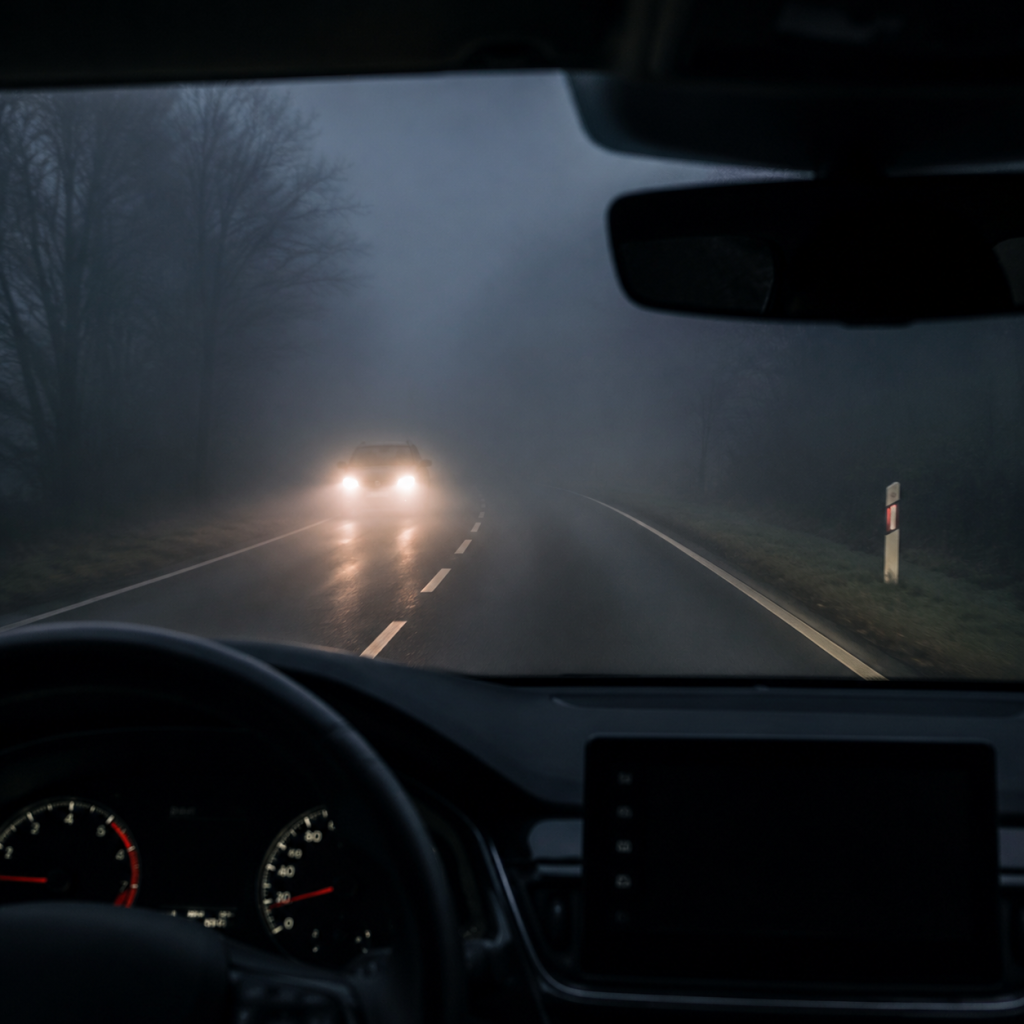
Thermal Cameras can be highly effective in low visibility conditions because they do not rely on visible light the way standard cameras do. Instead, they detect heat differences, which means they can often reveal people, animals, vehicles, and road-edge hazards that are difficult to see with the naked eye or with regular headlights. That makes them especially relevant for night driving, rural roads, highway travel, and poor-visibility weather.
At the same time, thermal cameras are not magic. Their performance changes depending on the scene, the weather, the temperature contrast, and how the system is designed. If you are considering one for vehicle safety, it helps to understand both what they do well and where their limits begin.
What a thermal camera actually sees
A thermal camera does not “see” the road in the same way a visible-light camera does. It detects infrared energy, which is emitted as heat, and converts that heat pattern into an image. Warmer objects usually appear differently from cooler surroundings, so a person, animal, engine, or recently driven vehicle may stand out clearly against a colder background.
This is why thermal imaging can be so useful at night. Human eyesight loses detail when light is limited, but heat signatures still exist. A pedestrian wearing dark clothing may blend into the background in a normal camera feed, while a thermal camera can still make that person noticeable if there is enough temperature contrast.
In driving applications, the value is not just “seeing” more. It is spotting hazards earlier, especially in situations where reaction time is limited.
More EV News

Where thermal cameras perform best
Thermal Cameras usually perform best when visible-light systems struggle but heat contrast remains strong.
Night driving and darkness
This is the clearest strength of thermal imaging. In complete darkness, standard cameras need light, and headlights only illuminate part of the scene. Thermal cameras can still detect heat sources well beyond the reach of normal headlight beams, which makes them useful on unlit roads, mountain routes, and dark rural stretches.
For drivers who spend a lot of time on roads with few streetlights, thermal imaging can make the forward scene feel less empty and more readable. That can be especially helpful when animals cross unexpectedly or when pedestrians are walking near the shoulder.
Glare from headlights or street lighting
Bright oncoming headlights, reflective signs, and strong street lighting can confuse visible-light cameras and even distract human eyes. Thermal cameras are not dependent on that light, so they are less affected by glare in the same way. They can remain useful when the forward scene is visually harsh or overexposed.
This does not mean glare disappears from the driving problem entirely. It simply means thermal imaging can provide another layer of information when the bright-light environment makes conventional visibility less reliable.
Fog, haze, and light precipitation
In mild fog or light mist, thermal cameras may still reveal larger heat-emitting objects better than standard cameras. The reason is simple: visible light scatters in fog, while thermal imaging can sometimes preserve enough contrast to detect major hazards.
However, this is a “sometimes” situation, not a guarantee. Dense fog remains challenging for every sensing technology, including thermal imaging. The camera may still detect shapes or silhouettes, but detail can drop quickly as visibility becomes poorer.
Rain and snow
Light rain or light snowfall may still allow thermal cameras to function reasonably well. In some cases, they can help spot animals, people, or vehicles sooner than visible-light systems. They can also be useful when road spray or darkness makes it difficult to interpret what is ahead.
But heavy rain and heavy snow can reduce performance. Water droplets, snowflakes, and road spray can obscure the image and lower the contrast between objects and their surroundings. A thermal camera may still be helpful, but the feed should be treated as one source of awareness, not the sole basis for decision-making.
Where thermal cameras struggle
Thermal Cameras are helpful, but they have real limitations that drivers should understand.
Dense fog can flatten the image
Fog is one of the hardest environments for any forward-facing system. Thick moisture in the air can reduce clarity and make it harder to distinguish objects at distance. Thermal cameras may still be better than a normal camera in some cases, but dense fog can weaken the image enough that detection range and detail both suffer.
Warm surfaces can reduce contrast
Thermal imaging works best when there is a strong difference between the object and its background. If the road, surrounding environment, and the hazard are all close in temperature, the image becomes less distinct.
This can matter on hot days, after long stretches of sun exposure, or in urban areas where surfaces retain heat. A warm pavement or a recently driven vehicle may blend more into the scene than you would expect.
Thin objects can be harder to identify
A thermal camera may spot a hazard, but that does not always mean it will identify the hazard clearly. Thin poles, low curbs, small debris, road markings, and some animals at awkward angles can be less obvious than larger heat sources.
That is why thermal imaging should be thought of as an awareness tool rather than a complete substitute for careful driving.
Dirt, ice, and obstruction on the lens matter
A thermal camera can only work properly if the sensor view is unobstructed. Mud, road salt, slush, condensation, ice, or a dirty protective window can reduce image quality. In winter driving especially, the camera itself needs the same kind of attention you would give headlights or mirrors.
What determines thermal camera performance?
A thermal camera’s usefulness in low visibility conditions depends on more than just “having infrared.” Several design factors affect how well it performs.
Detection contrast
The bigger the temperature difference between an object and its background, the easier it is to notice. A pedestrian in cool night air may stand out strongly. A vehicle that has been parked and cooled may stand out less than one with a hot engine. This is why one situation can look dramatically clearer than another, even on the same road.
Resolution and image processing
Higher resolution gives the system more detail to work with. Better processing can also help the driver recognize shapes and movement more easily. In practical terms, this means the camera is not only sensing heat but also translating that data into something a driver can understand quickly.
Frame rate and response time
A low frame rate can make motion appear jerky or delayed, which is not ideal when the road is changing quickly. A smoother image helps the driver interpret movement, especially when an animal or pedestrian enters the lane unexpectedly.
Field of view
A wider field of view can help the driver catch hazards near the edges of the road, while a narrower field can sometimes offer a more focused look straight ahead. The right balance depends on whether the system is meant for early hazard detection, lane-centered awareness, or a broader road scan.
Mounting and camera placement
Placement matters. A camera blocked by trim, bumper shape, dirt spray, or reflective surfaces will not perform as well as one with a clear, stable forward view. Good mounting can make the difference between a system that feels genuinely useful and one that is easy to ignore.
Thermal Cameras vs regular headlights and visible-light cameras
Thermal Cameras and visible-light cameras solve different problems.
Headlights are essential because they illuminate the road and support safe driving. A thermal camera does not replace them. Visible-light cameras can capture lane lines, signs, and color details better than thermal systems. That matters for navigation and general scene understanding.
Thermal imaging adds value because it can highlight heat-based hazards earlier in situations where visible-light systems are weakened by darkness or poor weather. In other words, headlights help you see the road, visible cameras help you interpret the scene, and thermal cameras help you notice certain hazards sooner.
The strongest setup is usually layered, not single-purpose. This is why advanced driver-assistance systems increasingly combine multiple sensing methods.
When thermal imaging is especially useful for drivers
Thermal Cameras are not only for one type of driver. They can be practical in several real-world situations:
- People who drive on rural or wildlife-heavy roads
- Highway drivers who travel after dark
- Long-distance drivers who spend many hours on the road
- Truck drivers who need earlier hazard awareness
- Families who regularly drive in fog, snow, or heavy rain
- Commuters who travel through poorly lit areas
For these drivers, a thermal system can provide a useful early warning layer. It may not prevent every problem, but it can give more time to notice something unusual ahead.
If you want a deeper look at how a thermal solution can support night driving, see Car Thermal Night Vision System: Is It Really Useful? (2026 Guide) for a practical, safety-focused breakdown.
Advanced safety is not limited to factory-installed features. Drivers who often travel at night or on rural roads may also consider aftermarket driver-assistance upgrades such as Robofinity InsightDrive, which uses AI-powered thermal imaging to help detect pedestrians, animals, vehicles, and obstacles in poor-visibility conditions.
Practical example: what thermal cameras can reveal on the road
Consider a dark two-lane road with no shoulder lighting. A pedestrian wearing dark clothing is walking near the edge of the lane, or a deer is standing just beyond the beam of the headlights. A standard camera may not make the hazard obvious until the vehicle is very close. A thermal camera may show the heat signature earlier, making it easier for the driver to react.
Now consider the opposite example: heavy wet snow at night, with slush spraying from passing cars and road temperature close to ambient. The thermal image may still help, but the scene will likely be harder to read. The driver must stay alert, slow down, and keep relying on normal driving habits, because the camera is only one part of the safety picture.
That balance is the key point. Thermal imaging helps most when the hazard itself gives off a detectable heat signature and the environment has enough contrast for the system to work clearly.
How to use a thermal camera responsibly
If you use a thermal camera in a vehicle, the right approach is to treat it as a support tool, not a substitute for attentive driving.
Keep expectations realistic
A thermal camera can improve road awareness, but it cannot guarantee that every obstacle will be seen in time. Small objects, extreme weather, and low-contrast scenes can still create risk.
Use it alongside normal driving habits
Continue to use headlights properly, check mirrors, maintain a safe following distance, and adjust speed to the road conditions. A thermal feed should complement these habits, not replace them.
Keep the lens area clean
Because thermal systems depend on a clear sensor view, cleaning the lens cover or protective window is important. Winter grime, salt, and mud can reduce performance quickly.
Learn how the image behaves
Thermal images often look different from regular video. It helps to spend time understanding how the system highlights people, animals, and vehicles so you do not misread the display when it matters most.
Do not over-rely on automatic alerts
If a system includes warning alerts, use them as a reminder rather than the only signal to react. Alerts are helpful, but they should not cause the driver to stop scanning the road independently.
Robofinity InsightDrive is one example of how this technology is being applied in cars: it combines thermal imaging with real-time alerts and a driver-facing display designed to support awareness of hazards such as pedestrians, animals, vehicles, and obstacles ahead.
What to look for if you are considering a thermal camera
If you are comparing thermal camera systems for a car, think beyond the headline “night vision” claim and look at practical details.
1. Detection range and clarity
Longer range can be useful, but only if the image remains understandable. A system should help you recognize a hazard early enough to matter, not just show a vague bright shape.
2. Display quality
A screen that is too small or too dim may not be useful in real driving. The driver should be able to glance at the display quickly without losing focus on the road.
3. Weather and durability rating
Vehicle-mounted equipment should tolerate vibration, temperature changes, rain, and dust. Durability matters because low-visibility driving often happens in rough conditions.
4. Installation and positioning
A well-mounted system with a clean forward view usually performs better than a poorly placed one, even if the camera itself is strong.
5. Recording and review options
Some drivers value real-time video recording because it can help them review situations later or better understand how the system performs in different weather and lighting conditions.
6. Compatibility with your driving habits
City drivers, rural drivers, highway commuters, and commercial drivers do not face the same visibility problems. Choose a system that matches the roads you actually use.
Common misunderstandings about thermal cameras
A few misconceptions come up often.
“Thermal cameras can see through everything.”
No. They are useful in low visibility, but heavy fog, heavy rain, snow, and heat-heavy environments still present challenges.
“Thermal cameras replace headlights.”
They do not. Headlights remain essential for safe driving and for helping other road users see you.
“If I have thermal imaging, I can drive faster at night.”
That is a risky assumption. More awareness does not eliminate stopping distance, road hazards, or the need for caution.
“All thermal systems perform the same.”
They do not. Sensor quality, processing, display, mounting, and vehicle integration all affect results.
FAQ: Thermal cameras in low visibility conditions
Do thermal cameras work in complete darkness?
Yes. Because they detect heat rather than visible light, they can still provide useful information in complete darkness.
Are thermal cameras good in fog?
Sometimes, but not always. Light fog may still allow useful thermal contrast, while dense fog can reduce clarity significantly.
Can thermal cameras see animals better than regular cameras?
Often, yes. Animals usually produce heat signatures that can stand out more clearly than they do in a standard camera feed at night.
Do thermal cameras work in rain and snow?
They can work in light rain or light snow, but heavy precipitation can reduce image quality and make detection harder.
Should thermal cameras replace normal driving precautions?
No. They are an added driver-assistance tool, not a replacement for headlights, mirrors, safe speed, or full driver attention.
Who benefits most from thermal imaging in a car?
Drivers who often travel at night, on rural roads, on highways with wildlife, or in poor weather usually gain the most practical value.
Conclusion
Thermal Cameras perform well in many low visibility conditions because they detect heat rather than relying on visible light. That gives them a real advantage in darkness, glare, and some poor-weather situations, especially when the goal is to spot pedestrians, animals, or vehicles earlier than you might otherwise.
But their usefulness is not absolute. Dense fog, heavy rain, snow, warm surfaces, and dirty lenses can all reduce performance. The best way to think about thermal cameras is as an extra layer of awareness that supports, rather than replaces, normal safe driving habits.
If you often drive at night or in low-visibility conditions, learning more about vehicle thermal imaging can help you decide whether it fits your roads, your vehicle, and your safety priorities. For background on how infrared/thermal sensing is used for detection, see NIST: Thermal Imaging.