

Window Tint is one of the most common first upgrades new-car owners consider, but the “best” choice depends on comfort, privacy, visibility, and local legality. In this guide, we’ll cover the key benefits, tradeoffs, and practical steps to help you decide whether tinting the windows of a new car makes sense for your daily driving.
- Why New-Car Owners Consider Window Tint
- The Main Benefits of Tinting a New Car
- The Tradeoffs You Should Think About
- What to Consider Before Tinting a New Car
- Legal Limits Matter More Than Style
- Choosing the Right Type of Tint
- New Car vs Older Car: Does It Change the Decision?
- Practical Tips for New-Car Owners
- Common Mistakes to Avoid
- FAQ
- Conclusion
Table of Contents
- Why New-Car Owners Consider Window Tint
- The Main Benefits of Tinting a New Car
- The Tradeoffs You Should Think About
- What to Consider Before Tinting a New Car
- Legal Limits Matter More Than Style
- Choosing the Right Type of Tint
- New Car vs Older Car: Does It Change the Decision?
- Practical Tips for New-Car Owners
- Common Mistakes to Avoid
- FAQ
Why New-Car Owners Consider Window Tint
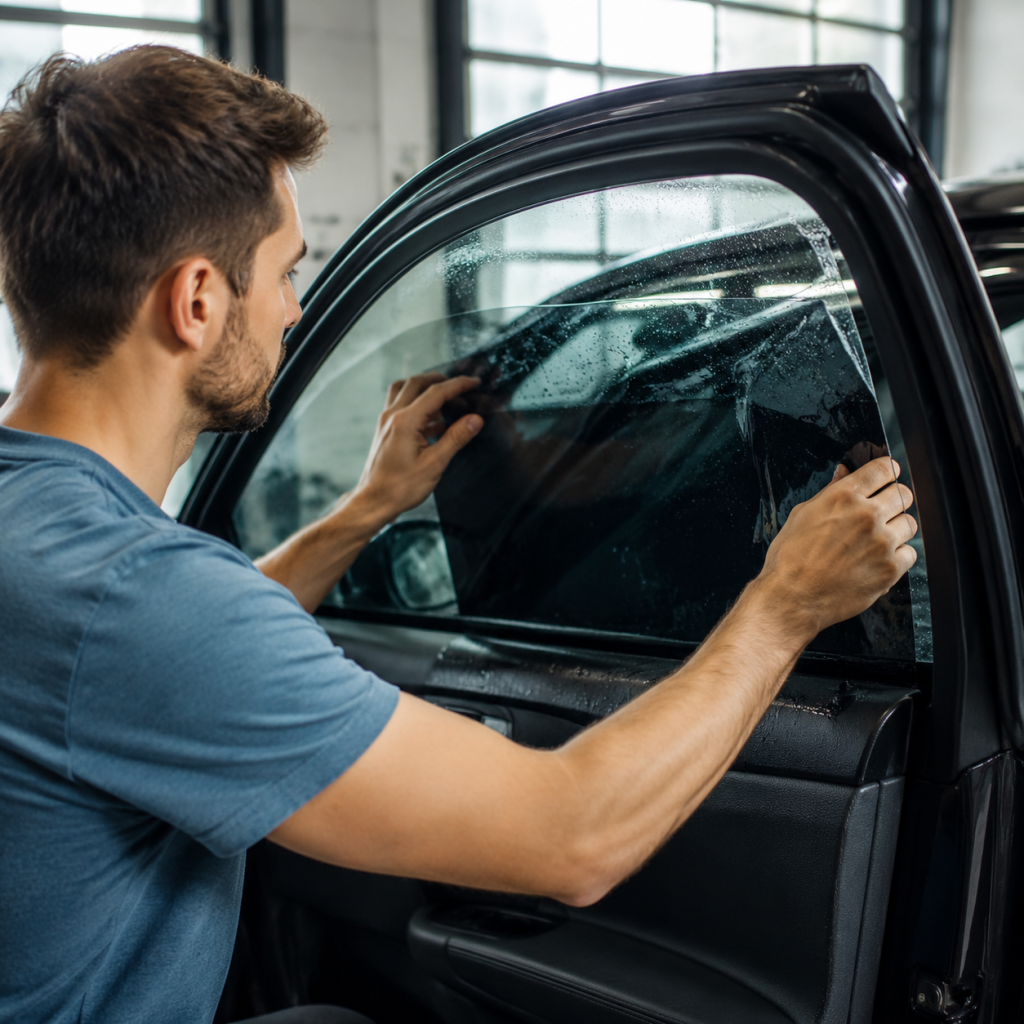
A new car often looks finished from the factory, but the glass is usually one area where owners start thinking about comfort and protection right away. There are several common reasons.
Heat reduction is one of the biggest. In hot climates, a quality window tint can make the cabin less punishing after the car sits in the sun. That matters whether the car is parked at work, in a driveway, or on the street. Even on mild days, glass lets in a lot of solar energy, and the interior can warm up faster than many buyers expect.
Glare reduction is another reason. Bright sunlight, low-angle sun at sunrise or sunset, and reflections from surrounding traffic can make driving less comfortable. Window tint that filters some of that brightness can reduce eye strain, especially on longer commutes.
Privacy also plays a role. Some owners simply prefer that valuables, child seats, or personal items are not as visible from outside. Privacy is not a security system, but it can make the car feel more discreet.
Finally, many new-car buyers view tint as part of a broader vehicle protection strategy. By reducing UV exposure and sunlight inside the cabin, window tint can help preserve upholstery, dashboards, and trim over time. That can matter in both darker interiors and light-colored cabins that show fading more easily.
Because a new vehicle is clean, modern, and still under everyday scrutiny, even a small change like window tint can make a bigger visual difference than it would on an older car. That is why people often spend time comparing shade, film quality, and installation reputation before making a decision.
It also helps to think about your routine. If you park outdoors, commute in heavy traffic, or spend a lot of time in bright conditions, the comfort gains from window tint are easier to notice than if your car lives mostly in a garage and makes short local trips.
The Main Benefits of Tinting a New Car
A well-chosen window tint can offer practical advantages without changing the character of the vehicle too much.
First, it can improve driving comfort. Less heat and glare often mean less fatigue, especially in summer or in regions with intense sunlight. When the cabin stays cooler, the air-conditioning system may also have an easier job maintaining a comfortable temperature.
Second, tint can support better road awareness in certain situations. Bright reflections on glass can distract the driver, particularly on multi-lane roads, near water, or in dense urban traffic. Reducing those reflections may help some drivers focus more easily on the road ahead.
Third, window tint can enhance the appearance of a new vehicle in a subtle way. Many owners like the cleaner, more uniform look it gives the side windows and rear glass. That said, appearance should always come after safety and legal compliance. A tint that looks good but is too dark for night driving or local rules is not a sensible choice.
Fourth, some tint films offer UV protection that can help reduce sun damage. That is especially relevant for families, rideshare drivers, and anyone who regularly parks outdoors.
Fifth, a good film can make the cabin feel more private without making the car feel enclosed. That balance matters because many drivers want a little more seclusion while still keeping the interior open enough for safe everyday use.
Sixth, window tint can help reduce the harsh contrast between bright daylight and a dark interior, especially when entering or leaving parking structures, tunnels, or shaded roads. That can make driving transitions feel smoother and less visually tiring.
The Tradeoffs You Should Think About
Tint is not a pure upgrade. It creates tradeoffs, and the biggest one is visibility.
The darker the film, the harder it can be to see out of the vehicle in low light, bad weather, or dark parking areas. That matters most for rear visibility and side-window awareness at night. If you frequently back into tight spaces, drive in unlit neighborhoods, or park on narrow streets, excessive darkness can become inconvenient quickly.
There is also the issue of legal limits. Tint laws vary by country, state, and province, and they often differ for the windshield, front side windows, rear side windows, and rear glass. A window tint that is legal in one area may be illegal in another. New-car owners who cross state lines or travel internationally should be especially careful.
Another tradeoff is that poor installation shows up fast on a new car. Bubbles, dust, edge lifting, uneven cuts, and discoloration can make a brand-new vehicle look neglected. That is why choosing the right installer matters almost as much as choosing the right film.
There is also a resale consideration. Some buyers like tint, while others want a car as close to factory condition as possible. A well-done, legal window tint is usually acceptable. A very dark or visibly worn film can be a turnoff.
Comfort can also shift from one season to the next. In summer, tint may feel like a major improvement. In winter, some drivers notice that the cabin feels darker than they want, especially during short daylight hours. That does not mean tint is a bad choice, but it does mean the best shade is often the one that works year-round, not just during the hottest month.
Another point to consider is maintenance. A new car usually has pristine glass and trim, so you will want to protect that clean look with proper care. Using the wrong cleaning products or scraping at edges too soon after installation can shorten the life of the film.
Finally, think about how window tint interacts with modern glass features. Many newer vehicles include integrated antennas, rain sensors, headlight washers, and camera-based driver assistance. A quality shop should be able to route cuts and match materials so these systems continue to work as intended.
What to Consider Before Tinting a New Car
The best decision starts with a few practical questions.
How much night driving do you do? If you regularly drive after dark, especially on rural roads, highways, or poorly lit streets, think carefully before choosing a darker window tint. The extra privacy may not be worth the loss of visibility. For drivers who already want more awareness in low-light conditions, a separate driver-assistance solution such as Robofinity InsightDrive Car Thermal Night Vision may be worth understanding as an added layer of awareness rather than a substitute for good visibility, headlights, or attention.
What climate do you live in? In hot, sunny regions, window tint tends to deliver more obvious comfort benefits. In cooler climates, the gains may be modest, and some owners choose lighter tint primarily for glare control and style.
How long will you keep the car? If you plan to keep the vehicle for years, high-quality film often makes more sense because you will use the comfort benefits over time. If you expect to trade the car quickly, a conservative or removable approach may reduce buyer friction later.
Do you transport children or older passengers? Heat reduction can be useful in family vehicles, but visibility from inside still matters. You want enough light transmission that passengers and the driver do not feel boxed in, especially in the rear seat during evening drives.
Are you trying to solve a comfort issue or make an appearance change? That distinction matters. If your main goal is sun control, choose film for performance first. If the goal is cosmetic, be more conservative so the result still works in real driving conditions.
It also helps to compare your car’s factory glass and cabin layout before you choose film. Large rear windows, darker upholstery, panoramic roofs, and already-tinted privacy glass can all affect how dark the cabin feels after installation. Two cars with similar tint percentages can feel very different once the film is applied.
In addition, consider how often you open the windows, use parking garages, or drive in variable weather. A film that seems ideal in bright daylight may feel less ideal if you frequently deal with rain, fog, or shaded streets.
Warranty and installation timeline
Before committing, ask about film curing time and how long the installer recommends keeping the windows dry or avoiding heavy cleaning. Also clarify whether installation could affect any factory warranty terms related to glass, sensors, or electronic components.
Good installers will explain how long the film should be left alone before rolling the windows down. That waiting period matters because rushing the first week can ruin an otherwise excellent job.
If the vehicle has rear defrosters, antennas, rain sensors, or advanced driver-assistance cameras, ask how the film interacts with those features. A careful conversation now can prevent frustration later.
Also confirm whether the shop provides a written warranty that covers bubbles, peeling, and discoloration. Warranties vary, but a documented policy can be more reassuring than a verbal promise.
Legal Limits Matter More Than Style
One of the most common mistakes is treating window tint as a purely visual upgrade. In reality, tint is regulated in many places because it affects driver visibility and law enforcement visibility into the cabin.
A legal tint setup usually depends on visible light transmission, sometimes abbreviated as VLT. This tells you how much light passes through the glass and film combined. Lower percentages mean darker glass. However, the exact legal threshold can differ depending on which window is being tinted and where the car is registered.
Before tinting a new car, check the local rules for front side windows, windshield treatment, rear windows, and mirror requirements. If your car is new and still under dealer influence, ask whether the dealer-installed window tint matches the law in your area. Do not assume the film is compliant just because it was installed before delivery.
If you drive across regions, consider whether a borderline legal window tint is worth the hassle. For many people, a slightly lighter, clearly compliant film is the better long-term choice.
For general guidance on optical/mechanical safety requirements and visibility-related standards, you can also review the U.S. Department of Transportation’s overview of vehicle lighting and glazing rules: NHTSA (National Highway Traffic Safety Administration).
Keep in mind that police, inspection stations, and insurance claims may all look at tint differently. A setup that seems acceptable in one context may still create a headache in another if it is near the legal limit or poorly documented.
If you are unsure, ask the installer for a compliance-focused recommendation instead of asking for the darkest possible film. A professional shop should be able to explain the difference between performance, appearance, and legal conformity.
Choosing the Right Type of Tint
Not all tint films behave the same way.
Dyed film is usually the most basic option. It can reduce brightness and improve appearance, but it is not always the best performer for heat rejection.
Metalized film can be effective but may interfere with some electronics, depending on the vehicle and the film type. That matters more now because many new cars rely on antennas, sensors, toll tags, and connected systems.
Carbon film is often a popular middle-ground choice because it can reduce heat and glare without the same signal issues associated with some metalized options.
Ceramic film is usually considered the premium option. It often offers strong heat rejection, good clarity, and stable performance over time. For a new car owner who wants comfort without an overly dark look, ceramic is frequently the most balanced option.
The right window tint depends on budget, climate, and your tolerance for darkness. A lighter premium film can often be more useful than a darker inexpensive one.
When comparing options, ask about glare reduction, heat rejection, UV protection, and warranty coverage rather than focusing only on shade. Those performance details often matter more in daily use than the percentage number alone.
It is also worth asking whether the film is designed for a specific window location. Some products are better suited for side windows, while others are intended for rear glass or specialty applications. Matching the film to the glass can improve both durability and appearance.
Finally, look for clarity in labeling. A reputable shop should be able to show specs like VLT and confirm what parts of the vehicle are included in the install.
New Car vs Older Car: Does It Change the Decision?
Yes, slightly.
On a new car, the choice feels more permanent because you are starting with fresh glass, clean seals, and a factory interior. That makes quality more important. A poor installation stands out immediately. A good installation, on the other hand, can blend in and feel like a natural part of the vehicle.
New vehicles also tend to include more driver-assistance and camera-based systems than older cars. That does not mean window tint is a problem by itself, but it does mean you should think about rear visibility, sensor placement, and any windshield-mounted equipment before choosing a film. If a car already has cameras, parking aids, and advanced visibility features, window tint should complement those systems rather than make them work harder.
For older vehicles, tint is often used to refresh comfort or replace failing film. On a new vehicle, it is more about making a careful, long-term decision from the start.
If you’re also weighing ongoing maintenance and ownership decisions, see Older Car Reliability: Are Older Cars More Reliable? for helpful context about long-term vehicle outcomes.
The age difference also affects expectations. An older car may already have wear, so a tint upgrade can feel like a straightforward improvement. On a new car, though, owners usually want everything to look seamless, which means small defects, mismatched shades, or sloppy edges are much more noticeable.
That is why new-car owners often benefit from taking their time with samples and photos before committing. A decision made in the showroom, under artificial lighting, can look very different once the car is out on the road in sunlight or at night.
Practical Tips for New-Car Owners
Start with the legal limit, not the darkest look you can find.
Choose a reputable installer who works with modern vehicles and can explain the film, warranty, and curing process.
Ask how the window tint will affect rear visibility at night and in rain.
Look at the car in real sunlight, not just in a shop bay, before deciding on shade.
Avoid matching the front and rear windows so closely that the car becomes difficult to see out of in low light.
If your driving routinely involves dark roads, fog, rain, snow, or long nighttime stretches, think in terms of overall visibility strategy. Window tint can be part of that, but it should not be the only adjustment you make. Good headlights, clean glass, properly adjusted mirrors, and driver attention still matter most.
Bring your daily driving habits into the conversation. A tint choice that works perfectly for a commuter in Phoenix may be too dark for a driver in Seattle or too light for someone who spends long afternoons in intense sun.
If possible, compare sample films on glass rather than relying on a brochure. Samples help you see how the shade changes under direct sun, shade, and artificial light, which is much closer to the real experience of driving the car.
Ask about maintenance after installation. The right cleaning products and a gentle routine can keep the film looking clear for years, while abrasive towels or harsh chemicals can shorten its useful life.
Before installation, consider taking a few quick photos of the car’s current glass (including any factory privacy tint). If you later compare results, you can spot shade mismatches or installation issues sooner.
How to choose the right shade
Instead of chasing the darkest number, consider what you can comfortably see through on your worst commute days. If you often park outdoors and drive after sunset, opt for a lighter, high-performing film that reduces glare and heat without heavily limiting outward visibility.
A good rule is to balance comfort and confidence. If a shade makes you hesitate when merging, reversing, or checking cross traffic, it is probably darker than you need for daily use.
For many owners, the right answer is not “as dark as possible” but “as clear as possible while still cutting heat and glare.” That approach usually produces the most satisfying long-term result.
When in doubt, focus on film quality. Higher-performance materials can provide better comfort and clarity at a legal shade level, making it easier to get the look you want without sacrificing visibility.
Common Mistakes to Avoid
One mistake is buying the darkest film available because it looks sharp in photos. That can backfire fast on a daily driver.
Another is ignoring windshield rules. Even when some windshield treatment is legal, it is often limited to a small top strip or to very specific film characteristics. The windshield is the most sensitive area for visibility.
A third mistake is assuming all window tint blocks heat equally. Darkness and heat rejection are not the same thing. A lighter ceramic film may outperform a darker basic film.
A fourth is tinting before checking what factory glass already does. Some new vehicles come with privacy glass in the rear. If you add a very dark film on top of that, the result may become too dim for night use.
A fifth mistake is rushing the decision without considering your lifestyle. If you frequently drive with passengers, carry items, or do a lot of urban night driving, choose a film that supports your real-world visibility needs.
Another common issue is price-first thinking. The cheapest install is not always the best value if the film fades, peels, or fails to match the rest of the vehicle. On a new car, quality is worth protecting.
Finally, avoid treating tint as a fix for poor driving visibility. If your headlights are weak, your glass is dirty, or your mirrors are badly adjusted, window tint will not solve the underlying problem.
FAQ
Is it worth tinting the windows on a brand-new car?
For many drivers, yes. Window tint can improve comfort, reduce glare, and protect the interior, but only if the film is legal and not too dark for your driving conditions.
Will window tint affect night driving?
It can. Darker window tint makes it harder to see in low light, which is why drivers who often travel at night should choose carefully.
What tint is best for a new car?
For many buyers, a high-quality ceramic film is the most balanced option because it can offer heat reduction and clarity without going excessively dark.
Should I tint the front windows too?
That depends on local law and how much visibility you want. Front window tint can improve comfort, but it must stay within legal limits and should not reduce side visibility too much.
Does window tint help protect the interior?
Yes, it can help reduce UV exposure and sunlight-related fading, especially in cars parked outdoors often.
Can tint be removed later?
Usually yes, but removal quality depends on the film and the installation. A professional job is easier to remove cleanly than a cheap one.
Does a lighter film still make a difference?
Yes. A lighter, better-performing film can still reduce glare and heat while preserving more outward visibility than a very dark basic film.
Conclusion
Tinting a new car can be a smart upgrade, but only when it fits your driving needs, climate, and local regulations. If your main goals are cooler cabin temperatures, less glare, and more privacy, the right window tint can make daily driving more comfortable. If you drive frequently at night or in poor visibility, stay conservative with darkness and prioritize outward visibility over appearance.
For drivers who want extra support in low-light or poor-visibility conditions, it is also worth learning about vehicle safety technology that can improve road awareness without replacing good driving habits. Robofinity InsightDrive is one example of a driver-assistance tool designed to help make pedestrians, animals, vehicles, and obstacles more visible in challenging conditions.
The best window tint choice is the one that improves comfort without creating a visibility problem. On a new car, that balance matters more than the shade number on the film.
Taking a little extra time before installation usually pays off. Once the film is on the glass, the goal is not to wonder whether you should have chosen differently; it is to enjoy a cleaner, cooler, more comfortable cabin that still feels safe in everyday driving.
If you approach the decision with legal compliance, good visibility, and long-term value in mind, window tint can be one of the most practical upgrades you make to a new vehicle.