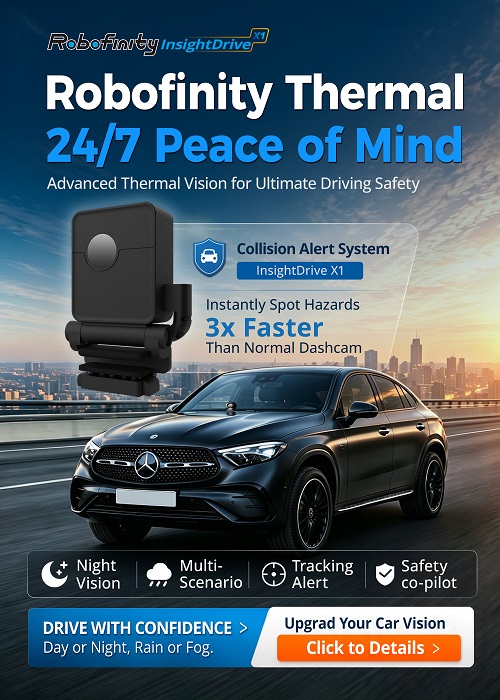


STG Thermal Night Vision for Vehicle use is changing the way drivers think about safety after dark. Instead of relying only on headlights, which can be limited by glare, fog, rain, or poor road lighting, thermal night vision helps detect heat signatures from people, animals, and vehicles long before they are clearly visible to the naked eye. For drivers who want stronger protection without overspending, this technology offers a compelling balance of performance, affordability, and peace of mind.
- What Makes STG Thermal Night Vision for Vehicle Useful?
- How the Technology Works
- Why Drivers Are Paying Attention to STG Thermal Night Vision for Vehicle
- Key Benefits of Thermal Night Vision in Vehicles
- Improved hazard detection
- Better performance in poor weather
- Reduced dependence on headlights
- Greater confidence at night
- Cost-effective safety upgrade
- Better support for defensive driving
- Who Can Benefit Most?
- What to Look for in a Thermal Night Vision System
- How It Adds Real-World Protection
- A Smart Upgrade for Modern Drivers
Table of Contents
- What Makes STG Thermal Night Vision for Vehicle Useful?
- How the Technology Works
- Why Drivers Are Paying Attention
- Key Benefits of Thermal Night Vision in Vehicles
- Who Can Benefit Most?
- What to Look for in a Thermal Night Vision System
- How It Adds Real-World Protection
- A Smart Upgrade for Modern Drivers
What Makes STG Thermal Night Vision for Vehicle Useful?
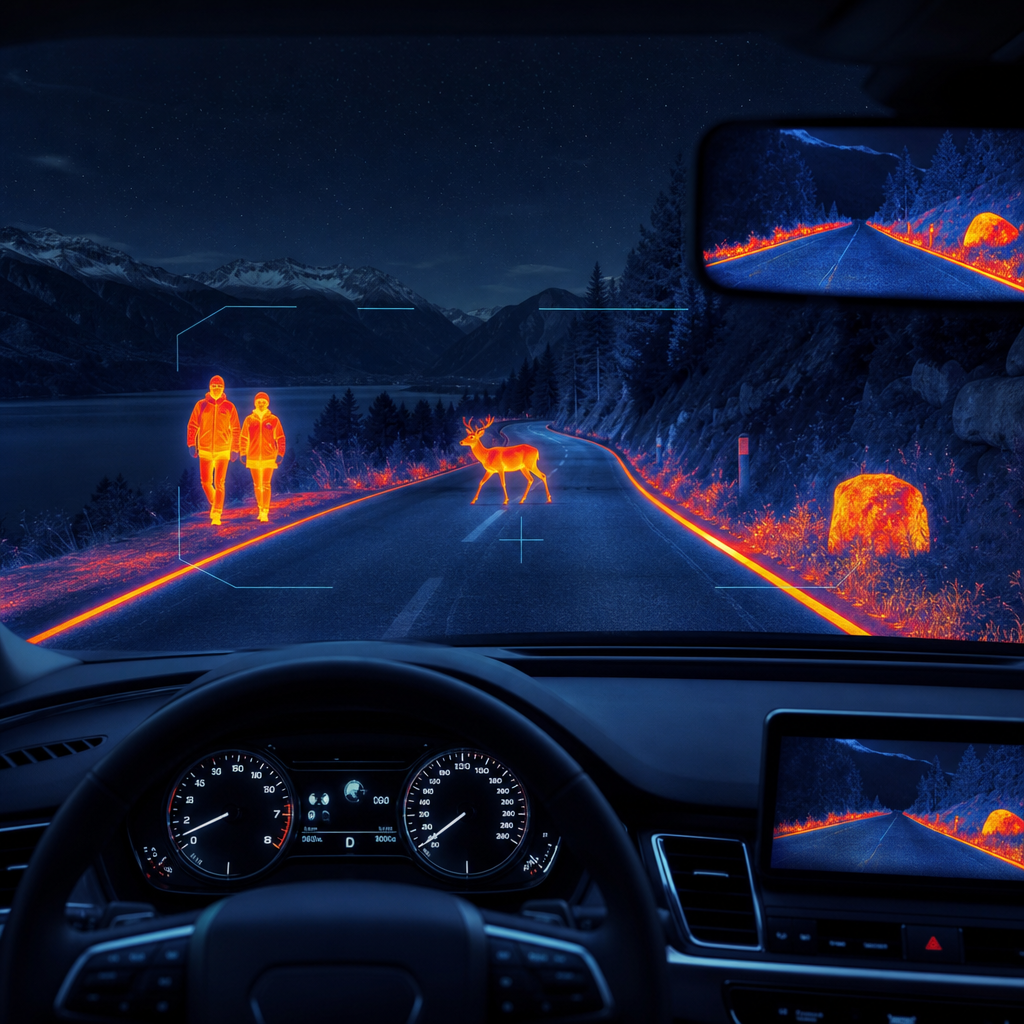
Traditional headlights illuminate what is directly in front of the car, but they do not always reveal hidden dangers soon enough. A pedestrian crossing a dark road, a deer stepping out from a treeline, or a stopped car without bright reflectors can appear too late for safe reaction. Thermal night vision works differently. It detects heat, allowing the system to highlight warm objects even when visibility is low.
That difference matters in real-world driving. In rural areas, on unlit roads, in heavy rain, or during foggy commutes, drivers may have only seconds to respond to a hazard. A thermal system can extend awareness beyond the reach of normal lighting. For families, daily commuters, delivery drivers, and long-distance travelers, this can mean a major improvement in nighttime safety.
For many buyers, STG thermal night vision for vehicle stands out because it offers advanced awareness without feeling out of reach. It gives drivers a practical upgrade that can fit real budgets and real-world needs. In short, STG thermal night vision for vehicle makes advanced detection feel accessible.
How the Technology Works
Thermal imaging does not depend on visible light. Instead, it senses infrared energy emitted by objects. Every living thing and many mechanical components produce heat, and thermal cameras convert those temperature differences into a viewable image. Warmer objects often stand out more clearly than the cooler background around them.
In vehicle applications, this means the driver can see potential hazards that might otherwise blend into darkness. Some systems display a grayscale thermal image, while others may add color accents to emphasize hot spots or nearby movement. The result is a more informative nighttime driving experience that can support faster decision-making.
Because thermal detection is not dependent on headlights alone, it performs well in conditions that challenge standard cameras. Glare from oncoming traffic, mist, smoke, and certain types of darkness can reduce the effectiveness of regular visual systems, but thermal imaging remains useful in many of those same situations. That is one reason STG thermal night vision for vehicle setups attract so much attention.
To learn more about the basics of this technology, see What Is Thermal Night Vision for Driving? for a simple overview of how heat-based visibility works on the road.
For a broader comparison of vehicle safety features, the National Highway Traffic Safety Administration provides helpful guidance on driver awareness and crash prevention.
Why Drivers Are Paying Attention to STG Thermal Night Vision for Vehicle
One reason this type of system is gaining popularity is that it combines advanced protection with a more accessible price point than many drivers expect. High-end safety upgrades often feel reserved for luxury vehicles, but more affordable thermal options are making the technology available to a much wider audience.
Drivers are also becoming more aware of how much nighttime risks can vary by location. Urban streets can present sudden pedestrian crossings and cyclists in dark clothing. Suburban neighborhoods may have children, pets, or animals entering the road unexpectedly. Highway travel brings the risk of stalled vehicles, debris, and reduced reaction time at high speeds. A thermal night vision system adds another layer of awareness in all of these settings.
For many buyers, the appeal is not just the technology itself, but the confidence it creates. Knowing that the vehicle has an extra set of eyes watching the road can reduce stress during late-night driving and improve overall comfort behind the wheel. That practical reassurance is part of what makes STG thermal night vision for vehicle so appealing.
For readers comparing upgrade options, Car Thermal Imaging Camera: Must-Have Affordable Night Driving Safety offers another helpful look at budget-friendly safety benefits.
Key Benefits of Thermal Night Vision in Vehicles
There are several practical advantages to choosing thermal imaging for automotive protection:
Improved hazard detection
Thermal systems can make people, animals, and vehicles easier to notice in very dark environments. This can be especially valuable in areas with limited street lighting or frequent wildlife crossings. STG thermal night vision for vehicle users often notice this benefit first.
Better performance in poor weather
Fog, mist, and light smoke often interfere with standard visibility. Thermal imaging can help drivers maintain awareness when visual conditions deteriorate.
Reduced dependence on headlights
Headlights remain important, but they are not always enough. Thermal systems give drivers more information than illumination alone.
Greater confidence at night
A clearer view of the road ahead can make night driving feel less tiring and more controlled.
Cost-effective safety upgrade
Many drivers want better protection without investing in premium factory systems. Affordable thermal solutions help fill that gap.
Better support for defensive driving
When drivers spot potential hazards earlier, they have more time to slow down, change lanes, or prepare a safer response. That extra margin can matter in fast-moving traffic. STG thermal night vision for vehicle systems are built for that kind of early warning.
Who Can Benefit Most?
While almost any driver can appreciate better nighttime awareness, some groups may find thermal night vision especially helpful.
Long-distance drivers spend more hours on the road after dark and often face changing conditions across cities, highways, and remote stretches. Parents and family drivers may want extra protection when traveling with children. Rural residents often deal with wildlife crossings that can appear suddenly. Commercial drivers, rideshare operators, and delivery personnel may also benefit from improved hazard detection during late shifts.
Even drivers who only occasionally travel at night can gain value from the added visibility. Safety risks do not require frequent exposure to become important. One unexpected event is enough to justify a smarter system. For that reason, STG thermal night vision for vehicle upgrades can make sense for many kinds of drivers.
Drivers researching related upgrades may also want to compare Far Infrared Automotive Night Vision: 7 Powerful Safety Benefits for another perspective on nighttime driving protection.
What to Look for in a Thermal Night Vision System
If you are considering a thermal upgrade, it helps to know what features matter most. Image clarity is important, since the purpose is to make hazards easier to spot quickly. A system with good resolution and reliable contrast can provide a more useful driving view.
Mounting and integration also matter. A thermal unit should fit well with the vehicle and not distract from normal driving. Easy operation is another plus, because a safety device should simplify awareness rather than create confusion. Some systems are designed for straightforward installation and daily use, making them more practical for ordinary drivers.
Durability is also essential. Automotive electronics must handle vibration, temperature changes, and regular use. A dependable thermal camera should be built for those conditions.
It also helps to compare your options against established vehicle-safety brands and systems. For example, FLIR is widely known for thermal imaging technology used in automotive and professional applications.
How It Adds Real-World Protection
The true value of thermal night vision is not just in how impressive it looks, but in how it supports better decisions. A driver who can see a shape on the shoulder earlier has more time to slow down. A driver who notices movement near a rural road can prepare for a possible animal crossing. A driver who spots a disabled vehicle in poor visibility has a better chance of avoiding a collision.
These seconds of extra warning can make a meaningful difference. Defensive driving is always about anticipation, and thermal imaging adds another source of that anticipation. It does not replace attention, but it enhances it. STG thermal night vision for vehicle installations work best when they support those split-second choices.
For drivers who want even more insight into system quality, How Reliable Are Car Thermal Cameras? explains what affects performance and consistency in everyday use.
A Smart Upgrade for Modern Drivers
As vehicles become more advanced, safety features are moving beyond passive protection and toward active awareness. Thermal night vision fits that trend well. It offers a practical way to improve nighttime driving without demanding luxury-car pricing or complicated operation.
For drivers who want stronger protection, clearer hazard detection, and better confidence after dark, STG thermal night vision for vehicle represents a thoughtful investment. It is not just a high-tech accessory. It is a real-world safety tool that can help make night driving more manageable, more informed, and more secure.
In a world where road conditions can change in an instant, having extra visibility is more than convenient. It can be the difference between reacting late and reacting in time. That is why STG thermal night vision for vehicle continues to attract attention from everyday drivers who want a safer way to travel after dark.
If you are building a smarter safety setup, STG thermal night vision for vehicle is worth a close look alongside other automotive thermal imaging cameras. With the right system, STG thermal night vision for vehicle can support safer decisions every night.