


- Table of Contents
- How to Compare gasoline vs electric vs hybrid cars
- Understanding gasoline vs electric vs hybrid cars
- Match gasoline vs electric vs hybrid cars to Your Driving Pattern
- Total Cost of gasoline vs electric vs hybrid cars
- How to Estimate Gasoline Cost
- How to Estimate EV Charging Cost
- Do Not Assume Lower Running Cost Guarantees Lower Total Cost
- Charging Access Can Decide the EV Question
- Maintenance of gasoline vs electric vs hybrid cars
- Range and Towing in gasoline vs electric vs hybrid cars
- Safety Depends on the Vehicle, Not Only the Powertrain
- Environmental Impact Is More Than Tailpipe Emissions
- A Practical Decision Framework
- 1. Set the Non-Negotiable Requirements
- 2. Test Your Charging Reality
- 3. Calculate Three to Five Years of Costs
- 4. Simulate the Difficult Days
- 5. Test-Drive the Exact Type of Vehicle
- Common Buying Mistakes to Avoid
- Frequently Asked Questions
- Is an electric car cheaper to own than a gasoline car?
- Is a hybrid worth it for mostly highway driving?
- Should I buy a plug-in hybrid if I cannot charge at home?
- How much EV range do I really need?
- Do electric cars require no maintenance?
- Which powertrain is best for a family’s only car?
- Make the Choice Around Your Life
Comparing gasoline vs electric vs hybrid cars is less about finding one universally superior powertrain and more about matching a vehicle to your daily routine. An electric vehicle can be convenient and economical for a driver with reliable home charging, while a gasoline car may be easier for frequent long-distance travel. A hybrid often suits buyers who want lower fuel consumption without changing how they refuel. This gasoline vs electric vs hybrid cars guide explains how driving patterns, charging access, ownership costs, climate, and practical needs affect the decision.
Table of Contents
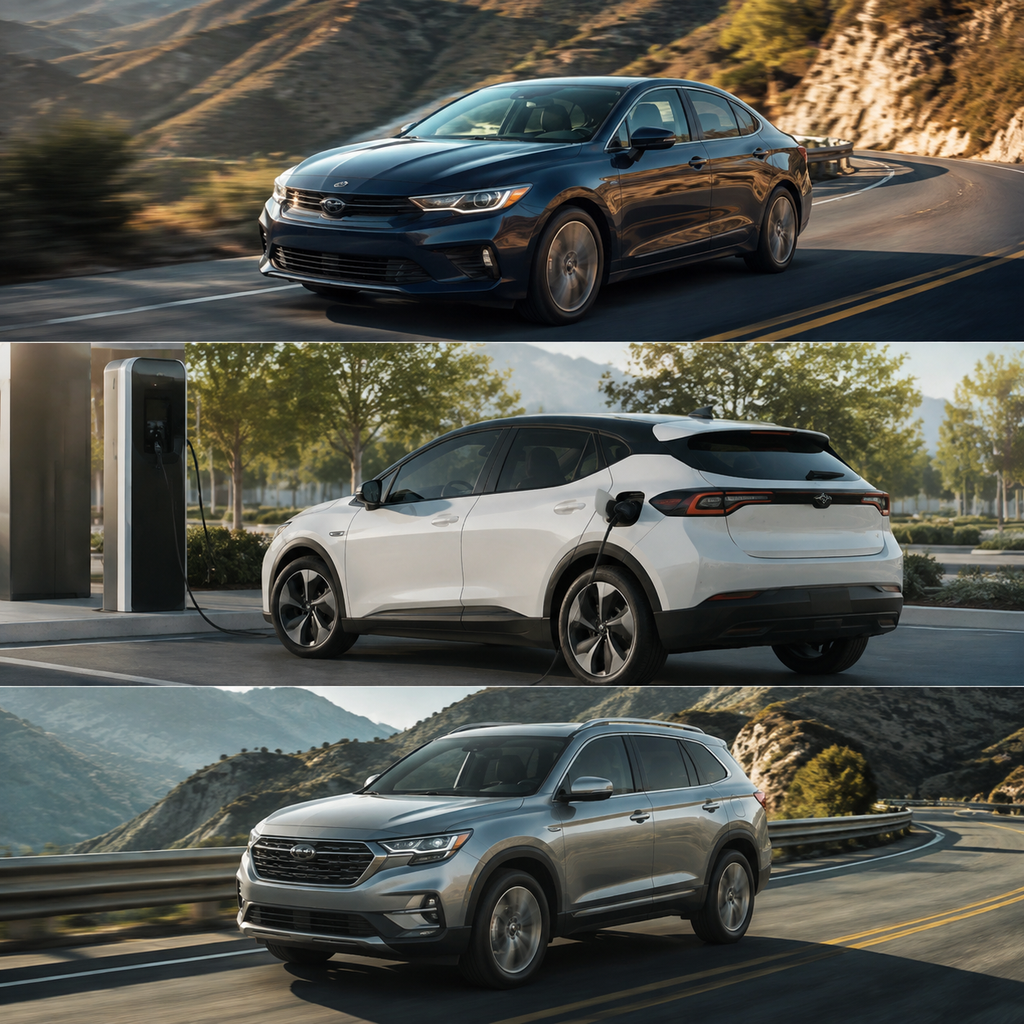
- Which type of car should you choose?
- Understanding the powertrain choices
- Start with your driving pattern
- Compare total ownership cost
- Evaluate charging access
- Maintenance and long-term ownership
- Range, weather, towing, and load
- A practical decision framework
- Frequently asked questions
- Make the choice around your life
How to Compare gasoline vs electric vs hybrid cars
For shoppers comparing gasoline vs electric vs hybrid cars, a gasoline model is often the practical choice if you regularly take long trips, need quick and widely available refueling, cannot reliably charge at home or work, or want the broadest selection of affordable used vehicles.
In a gasoline vs electric vs hybrid cars assessment, an electric vehicle (EV) usually fits drivers who have convenient charging, cover predictable daily distances, want quiet operation and fewer routine powertrain maintenance requirements, and can accept more planning on long journeys.
For shoppers weighing gasoline vs electric vs hybrid cars, a conventional hybrid is worth considering if you spend time in city or mixed traffic, want better fuel economy without plugging in, and prefer a familiar ownership experience.
A plug-in hybrid adds another option to the gasoline vs electric vs hybrid cars decision. Choose a PHEV if you can charge regularly, most daily trips fit within its electric range, and you still need a gasoline engine for longer or less predictable travel.
The best gasoline vs electric vs hybrid cars comparison must also account for vehicle size, local energy prices, climate, towing, insurance, depreciation, and charging access. These factors can change the answer even when two drivers cover similar annual distances.

Understanding gasoline vs electric vs hybrid cars
A fair gasoline vs electric vs hybrid cars comparison starts with understanding the technology. “Hybrid” can refer to several different systems, so buyers should confirm what is being compared before reviewing prices or fuel-economy figures.
Gasoline Cars
A gasoline vehicle uses an internal combustion engine and carries liquid fuel in a tank. Refueling usually takes only a few minutes, and fuel stations are widely available across the United States and Europe.
Gasoline vehicles remain practical for drivers who travel long distances, park on the street, tow regularly, or live in areas with limited public charging. They are also available in almost every vehicle class, from inexpensive small cars to large SUVs, vans, and pickup trucks.
Their disadvantages include tailpipe emissions, engine noise, and more routine powertrain service. Oil changes, filters, spark plugs, exhaust components, and other engine-related parts create maintenance needs that an EV does not have. These tradeoffs keep gasoline relevant in a gasoline vs electric vs hybrid cars comparison, especially when flexibility matters more than maximum efficiency.
Battery-Electric Vehicles
A battery-electric vehicle runs entirely on electricity and has no gasoline engine. It stores energy in a large traction battery and uses one or more electric motors to drive the wheels.
EVs deliver power smoothly and immediately, making even modest models feel responsive in city traffic. They are quiet at low speeds and can recover some energy through regenerative braking. Because there is no engine oil, exhaust system, or conventional multispeed transmission in most models, routine powertrain maintenance is generally simpler.
The central ownership question is charging. An EV is often most convenient when it can recharge while parked overnight at home. Without dependable home or workplace charging, the driver may have to spend more time locating and using public chargers. Charging access can therefore determine whether the electric option wins a personal gasoline vs electric vs hybrid cars evaluation.
Conventional Hybrids
A conventional hybrid combines a gasoline engine with an electric motor and a relatively small battery. It does not normally need to be plugged in. The vehicle recovers energy during deceleration and uses the motor, engine, or both depending on driving conditions.
Hybrids are particularly effective in stop-and-go traffic, where regenerative braking and low-speed electric assistance can reduce fuel use. On steady, high-speed motorway or highway journeys, the advantage over an efficient gasoline car may be smaller.
A hybrid still requires gasoline-engine maintenance. Its electric components add complexity, but the hybrid system can also reduce how often the engine runs and how heavily the friction brakes are used. That balance makes conventional hybrids a practical middle option when evaluating gasoline vs electric vs hybrid cars.
Plug-In Hybrids
A plug-in hybrid has a larger battery than a conventional hybrid and can travel a limited distance using electricity before relying on its gasoline engine. It can be useful for households that make short daily trips but occasionally drive far beyond the local area.
A PHEV only delivers its strongest practical benefit when it is charged regularly. If it is driven mainly with a depleted battery, the owner is carrying the weight and complexity of two propulsion systems while using gasoline for most journeys. Buyers comparing gasoline vs electric vs hybrid cars should examine both electric efficiency and fuel economy after the PHEV battery’s usable charge is depleted.
Match gasoline vs electric vs hybrid cars to Your Driving Pattern
A realistic driving log makes a gasoline vs electric vs hybrid cars comparison more useful than a general claim about which powertrain is “best.” Before shopping, review at least a few typical weeks.
Write down:
- Your average daily distance
- Your longest routine journey
- How often you take road trips
- How much time you spend in city, suburban, rural, and highway traffic
- Whether you can park near an electrical outlet or charging point
- How often you carry heavy loads, use a roof box, or tow
- The coldest and hottest conditions in which you regularly drive
- Whether your household has another vehicle available
A driver covering 25 miles each weekday with a private driveway faces a different decision from someone covering 300 highway miles several times a week. Likewise, a two-car household may be comfortable using an EV for daily travel and another vehicle for occasional towing, while a one-car household may prioritize maximum flexibility. These differences show why comparing gasoline vs electric vs hybrid cars requires a clear picture of your actual routine.
City and Suburban Driving
EVs and hybrids are well suited to urban traffic. Electric motors operate efficiently at low speeds, while regenerative braking can recover energy during repeated deceleration. An EV also avoids idling fuel consumption.
Conventional gasoline cars can still make sense for low-mileage drivers. If you drive only a few thousand miles or kilometers per year, the fuel savings from a more expensive powertrain may take a long time to offset a higher purchase price. Annual mileage is therefore essential when comparing gasoline vs electric vs hybrid cars for city and suburban use.
Highway and Long-Distance Driving
Gasoline vehicles are easy to refuel during long journeys and generally lose less time to energy stops. Efficient diesel vehicles may also remain relevant in some European markets, although local emissions rules, taxes, and access restrictions should be checked before purchase.
Modern EVs can handle long trips, but the experience depends on usable range, charging speed, charger reliability, weather, traffic, and route coverage. The maximum advertised charging rate is not sustained throughout an entire session, and two EVs with similar battery sizes may charge at very different speeds.
Hybrids provide familiar long-distance refueling while improving efficiency in mixed driving. A PHEV can be useful if most travel is local but occasional trips are much longer. When comparing gasoline vs electric vs hybrid cars for frequent motorway travel, also review the practical considerations in this guide to the best cars for highway driving.
Rural Roads and Remote Areas
Drivers in remote areas should examine both fuel and charging coverage along their real routes. A long-range EV may be perfectly workable when charged at home, but sparse fast-charging infrastructure can complicate unplanned detours or emergency travel.
Rural driving also raises visibility concerns. Dark roads, wildlife, limited street lighting, and changing weather can be more important to safety than the vehicle’s powertrain. Headlight performance, tire quality, braking behavior, and driver-assistance technology deserve attention alongside the gasoline vs electric vs hybrid cars choice.
Total Cost of gasoline vs electric vs hybrid cars
The sticker price is only one part of a gasoline vs electric vs hybrid cars financial comparison. Use the same ownership period and estimated mileage for every candidate vehicle.
Include:
- Purchase price after confirmed taxes and incentives
- Loan interest or leasing costs
- Insurance premiums
- Gasoline or electricity expenses
- Home charger purchase and installation
- Scheduled maintenance
- Expected tire replacement
- Registration or road taxes
- Likely resale value
- Potential repair exposure after warranty coverage ends
Government incentives, tax treatment, congestion charges, and company-car rules can vary by location and change over time. Confirm current terms with the relevant authority rather than assuming an older incentive still applies. United States buyers can use the official U.S. Department of Energy fuel economy resource to compare vehicle efficiency and estimate energy costs.
How to Estimate Gasoline Cost
Start with the vehicle’s realistic fuel consumption, not only its best official rating. Then apply your expected annual mileage and local fuel price.
For miles per gallon: Annual fuel cost = annual miles ÷ real-world mpg × price per gallon.
For liters per 100 kilometers: Annual fuel cost = annual kilometers ÷ 100 × L/100 km × price per liter.
Cold starts, short trips, heavy traffic, high speeds, towing, and roof-mounted cargo can increase consumption. Using realistic figures prevents the gasoline side of a gasoline vs electric vs hybrid cars cost comparison from appearing artificially low.
How to Estimate EV Charging Cost
Annual charging cost: Annual distance × energy consumption per distance × electricity price.
Account for charging losses, which mean the electricity drawn from the grid can exceed the energy ultimately stored in the battery. Also separate home and public charging. Frequent rapid charging may cost considerably more than charging at a residential electricity rate.
If your utility offers time-of-use pricing, overnight charging may reduce costs. However, the relevant figure is the rate available at your address, including applicable fees and taxes. Accurate local electricity prices make the EV side of a gasoline vs electric vs hybrid cars comparison more dependable.
Do Not Assume Lower Running Cost Guarantees Lower Total Cost
An EV may cost less per mile to power but more to purchase or insure. A hybrid may save fuel but command a higher used-car price. A discounted gasoline vehicle may be economical for a low-mileage owner even if it uses more energy.
Resale values are also uncertain. Battery condition, changing fuel prices, charging standards, market demand, and local policy can all affect future value. Calculate several scenarios because a complete gasoline vs electric vs hybrid cars comparison cannot rely on a single optimistic forecast.
Charging Access Can Decide the EV Question
Charging is one of the biggest practical differences in a gasoline vs electric vs hybrid cars decision. An EV should fit your parking situation, not just your driving distance.
Home Charging
Drivers with a driveway or private garage often have the simplest experience. The car can recharge while parked, reducing or eliminating routine visits to fueling stations. Before buying, check:
- Whether electrical work is required
- The charging power available from the property
- Installation cost
- Landlord, building, or homeowners’ association approval
- Cable routing and weather exposure
- Whether off-peak electricity rates are available
A standard household outlet may add enough range for some low-mileage drivers, but charging speed and electrical requirements vary by country and installation. A qualified electrician should assess any permanent charging setup before you finalize a gasoline vs electric vs hybrid cars purchase decision.
Apartment and Street Parking
An EV can still work without private parking, but public charging must be genuinely convenient. Look at the chargers you would use during a normal week, not only points shown on a map.
Check their operating status, payment method, connector compatibility, parking restrictions, typical occupancy, charging speed, and cost. A charger located ten minutes away may sound manageable until it requires repeated evening visits or the vehicle must be moved when charging finishes. This routine can materially affect your gasoline vs electric vs hybrid cars choice.
Workplace and Destination Charging
Reliable workplace charging can substitute for home charging, particularly for commuters. Shopping centers, hotels, municipal car parks, and other destinations may also provide useful charging. However, access policies and prices can change, so avoid making a gasoline vs electric vs hybrid cars decision dependent on one charger you do not control.
Maintenance of gasoline vs electric vs hybrid cars
Maintenance is an important part of any gasoline vs electric vs hybrid cars comparison. EVs generally remove several conventional service items, including engine oil changes, spark plugs, and exhaust-system repairs. Regenerative braking may reduce wear on brake pads and discs, although friction brakes still require inspection and can develop corrosion when used infrequently.
Electric cars still need maintenance. Tires, suspension, cabin filters, air-conditioning systems, coolant circuits, wipers, lights, wheel alignment, and brake fluid remain relevant. EVs can also be heavy and deliver strong immediate torque, so tire selection, inflation, and driving style can materially affect tire life.
Gasoline cars require more engine-related service, but they benefit from a large repair network and widely understood technology. Conventional hybrids retain an engine while adding high-voltage components. A qualified workshop should inspect any warning related to the hybrid or traction-battery system.
For any used electrified vehicle, review:
- Battery warranty terms and remaining coverage
- Service and repair history
- Charging performance
- Dashboard warning messages
- Tire condition and matching specifications
- Evidence of collision or underbody damage
- Availability of qualified local repair facilities
A battery-health report can be useful when supported by the vehicle manufacturer or a credible diagnostic process. Avoid treating an unverified dashboard estimate as a complete measure of battery condition.
Range and Towing in gasoline vs electric vs hybrid cars
Official figures are useful comparison tools, not promises. Real-world results for gasoline vs electric vs hybrid cars depend on speed, temperature, terrain, traffic, heating and air-conditioning use, tires, cargo, and driving style.
Cold and Hot Weather
Cold weather can reduce EV range because batteries operate less efficiently and cabin heating consumes energy. Preconditioning the vehicle while it is connected to a charger may help preserve usable range and improve comfort.
Gasoline vehicles also become less efficient during cold starts and short winter trips. Hybrids may run their engines more often to provide heat. In very hot conditions, air-conditioning affects all powertrains, although the impact is more noticeable when a driver is closely monitoring EV range. Local climate should therefore influence any gasoline vs electric vs hybrid cars comparison.
Towing and Heavy Cargo
Towing can substantially increase energy use for gasoline, hybrid, and electric vehicles. The effect can be especially visible in an EV because the distance between charging stops may shrink.
Do not compare only maximum towing capacity. Check payload limits, tongue or nose weight, trailer compatibility, charging access with a trailer attached, and realistic energy consumption. Some charging layouts require a trailer to be disconnected before the charging port can be reached.
Safety Depends on the Vehicle, Not Only the Powertrain
Safety comparisons among gasoline vs electric vs hybrid cars must be made model by model. Crash protection, braking performance, headlights, tire grip, outward visibility, driver-assistance calibration, and control layout can matter more than the energy source.
Review independent crash-test results that apply to the exact model and market. Similar-looking vehicles may have different standard safety equipment in the United States and Europe. Check whether important systems are included on the trim you are considering rather than assuming every version has the same equipment.
Drivers who regularly travel on dark rural roads may also consider visibility-focused aftermarket equipment. For example, Robofinity InsightDrive uses AI-powered thermal imaging to support road awareness in low-light or poor-visibility conditions. Such driver-assistance technology is supplementary: it does not replace effective headlights, appropriate speed, mirrors, safe following distance, or continuous driver attention.
Environmental Impact Is More Than Tailpipe Emissions
The environmental effects of gasoline vs electric vs hybrid cars extend beyond tailpipe emissions. A battery-electric vehicle has no tailpipe emissions, which can improve local air quality where it is driven. Its broader impact depends on electricity generation, vehicle manufacturing, battery production, vehicle size, mileage, and how long the car remains in service.
Gasoline vehicles produce emissions whenever fuel is burned. Hybrids can reduce fuel use, particularly in urban conditions, but they still rely on gasoline. PHEV results depend heavily on charging behavior; a regularly charged vehicle can complete many short trips electrically, while one that is rarely plugged in may use substantially more fuel.
Vehicle size matters across every powertrain. A smaller, efficient car generally requires less energy to move than a large, heavy vehicle. Keeping a serviceable car longer may also be preferable to replacing it solely to obtain a different powertrain, especially when annual mileage is low.
A Practical Decision Framework
Use the following sequence before choosing a vehicle.
1. Set the Non-Negotiable Requirements
Identify passenger space, cargo room, towing capacity, accessibility, winter performance, parking dimensions, and budget. Remove vehicles that cannot meet those needs regardless of powertrain.
2. Test Your Charging Reality
If considering an EV or PHEV, confirm where it will charge during a normal week. Obtain an installation estimate if home electrical work may be required. Do not base the decision on hoped-for future infrastructure.
3. Calculate Three to Five Years of Costs
Use realistic mileage, local energy prices, insurance quotes, financing costs, maintenance expectations, and confirmed incentives. Run a higher-energy-price scenario and a lower-resale-value scenario to see whether the choice still works.
4. Simulate the Difficult Days
Consider the longest winter trip, an unexpected family emergency, a holiday journey, a towing day, or a week when your usual charger is unavailable. A vehicle does not need to make every rare event effortless, but you should know how those events will be managed.
5. Test-Drive the Exact Type of Vehicle
Pay attention to seating comfort, visibility, braking feel, control placement, cabin noise, ride quality, and low-speed behavior. In an EV or hybrid, assess regenerative braking and whether its settings feel predictable. A technically efficient vehicle is a poor choice if it is uncomfortable or distracting to operate.
Common Buying Mistakes to Avoid
One mistake is purchasing an EV based on maximum advertised range while ignoring winter use, motorway speeds, or public charging reliability.
Another is buying a PHEV without a regular charging plan. In that case, a conventional hybrid may be simpler and more efficient in everyday use.
Buyers also sometimes focus entirely on fuel savings and overlook insurance, depreciation, tire costs, charger installation, or financing. Total ownership cost provides a more reliable comparison.
Finally, do not assume a powertrain label guarantees safety, reliability, or environmental performance. Compare individual models, trims, battery sizes, warranties, and independent safety information.
Frequently Asked Questions
Is an electric car cheaper to own than a gasoline car?
It can be, particularly with affordable home charging and high annual mileage. The result depends on purchase price, electricity rates, public charging use, insurance, depreciation, tires, and financing. Compare complete ownership costs using your local figures.
Is a hybrid worth it for mostly highway driving?
A hybrid may still reduce fuel consumption, but its advantage is often greater in stop-and-go or mixed driving. Compare official highway figures and credible real-world consumption for the exact hybrid and gasoline models under consideration.
Should I buy a plug-in hybrid if I cannot charge at home?
Only if you have another reliable, economical charging option and will use it regularly. Otherwise, a conventional hybrid may offer better everyday simplicity without carrying a large battery that is seldom charged.
How much EV range do I really need?
You need enough range to cover routine driving with a practical reserve, including seasonal weather effects. Occasional long trips can be handled with public charging, but frequent long-distance drivers should examine route coverage and charging time carefully.
Do electric cars require no maintenance?
No. They usually need less routine powertrain service, but tires, brakes, suspension, cooling systems, cabin filters, lights, wipers, and air conditioning still require inspection and maintenance.
Which powertrain is best for a family’s only car?
The best choice is the one that handles routine travel and the household’s difficult days. An EV can work well with dependable charging and suitable long-trip infrastructure. A hybrid or gasoline vehicle may provide more flexibility where charging is limited or travel is highly unpredictable.
Make the Choice Around Your Life
The most sensible powertrain is the one that fits how the vehicle will actually be used. Gasoline cars offer fast refueling and broad flexibility. EVs provide quiet, efficient driving when charging access supports the routine. Conventional hybrids lower fuel use without requiring a plug, while PHEVs can combine electric commuting with long-distance flexibility when charged consistently.
Before signing a purchase agreement, verify charging access, calculate total costs, consider difficult journeys, and test-drive the exact model and trim. Ultimately, comparing gasoline vs electric vs hybrid cars against your routes, parking, climate, budget, and ownership plans will produce a more dependable choice than following whichever technology is currently receiving the most attention.