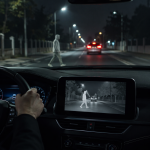


Night Vision Driving can make a big difference when roads get dark, helping you spot pedestrians, animals, and hazards sooner. While headlights help illuminate the road ahead, they do not fully solve the challenge of reduced visibility at night, in rain, fog, or on poorly lit roads. Modern driving aids, smart habits, and better vehicle technology can all work together to help drivers see more clearly and respond more confidently in low-light conditions.
- What Night Vision Driving Means in Driving
- Why Driving at Night Is More Dangerous
- How Car Night Vision Systems Work
- Benefits of Night Vision for Car Driving
- Better Hazard Detection
- Reduced Stress on Dark Roads
- Helpful in Poor Weather
- Added Value for Long-Distance Drivers
- Key safety insight from experts
- Limitations of Night Vision Technology
- It Cannot See Everything
- Weather Can Affect Performance
- It Requires Driver Attention
- Not All Vehicles Have It
- Improving Night Driving Without Built-In Night Vision
- Keep Lights Clean and Properly Aimed
- Use High Beams Responsibly
- Reduce Windshield Glare
- Slow Down at Night
- Watch for Fatigue
- How to Build a Safer Night Driving Routine
- Signs Your Night Visibility Needs Improvement
- Who Benefits Most from Night Vision Features
- The Future of Night Vision in Cars
- Final Thoughts
Table of Contents
What Night Vision Driving Means in Driving
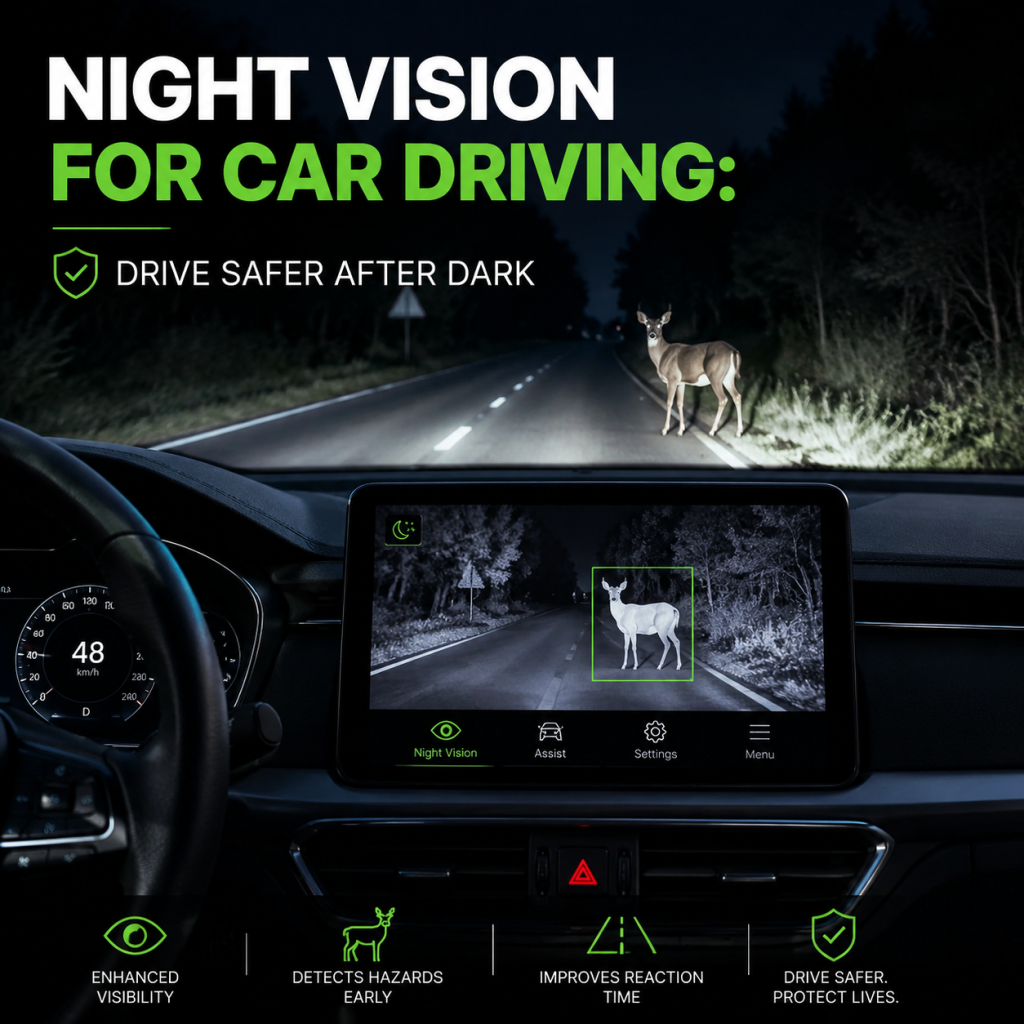
When people hear the phrase “night vision driving,” they may think of military equipment or specialized goggles. In cars, however, the concept is different. Night vision driving for car driving usually refers to technologies designed to enhance a driver’s ability to detect people, animals, obstacles, and road hazards in darkness or poor visibility.
These systems are not meant to replace headlights or careful driving. Instead, they provide an added layer of awareness. Some systems use infrared cameras to detect heat signatures, while others rely on advanced sensors and digital displays to highlight objects that may be hard to see with the naked eye.
For drivers comparing safety upgrades, it helps to look at a broader overview of Night Vision for Car Driving: 5 Powerful Safety Upgrades. That can make it easier to understand how the technology fits into everyday driving.
In many vehicles, night vision driving supports the driver by improving contrast and highlighting movement ahead. That extra visibility can be useful when road lighting is weak or inconsistent.
Why Driving at Night Is More Dangerous
Night driving brings several challenges that make accidents more likely. Reduced light means less time to react, and human vision naturally becomes less effective in low-visibility environments. Depth perception, color recognition, and peripheral awareness can all decrease after dark.
More EV News
Common Night Driving Risks
- Reduced visibility of pedestrians, cyclists, and animals
- Glare from oncoming headlights
- Greater fatigue and slower reaction times
- Difficulty seeing road markings, signs, and hazards
- Poor visibility in rain, fog, or snow
Even a well-maintained car can struggle to overcome these conditions without help from the driver. That is why both technology and good habits matter.
According to the National Highway Traffic Safety Administration’s night driving guidance, darkness, glare, and fatigue can significantly increase risk after sunset.
Night Vision Driving becomes more valuable in these situations because it gives the driver another way to detect trouble early. That can be especially helpful on roads with no streetlights.
How Car Night Vision Systems Work
Automotive night vision systems are typically built around infrared imaging. Infrared cameras detect heat instead of visible light, allowing them to identify warm objects such as people and animals even when the road is dark.
Active vs. Passive Night Vision
There are two main types of night vision technology in vehicles:
Active Night Vision
Active systems use infrared light emitted by the vehicle. The infrared light illuminates the area ahead, and the camera captures the reflected image. This can produce a clearer and more detailed view but may be limited by range or weather conditions.
Passive Night Vision
Passive systems do not emit infrared light. Instead, they detect heat signatures from objects in the environment. These systems can be especially useful for spotting living beings that may blend into the darkness.
What the Driver Sees
In many vehicles, the night vision image appears on the dashboard or infotainment display. Some systems highlight pedestrians or animals with boxes, alerts, or contrast enhancements. More advanced setups may also integrate with the car’s warning systems to notify the driver before a collision becomes more likely.
In practice, night vision driving works best when the display is easy to read and the driver knows what the alerts mean. A clear interface can reduce confusion and help the driver act faster.
Some systems also give audible warnings, which can reduce the chance that a driver misses an important visual cue. That combination can make the feature more practical in real-world traffic.
Benefits of Night Vision for Car Driving
Night vision technology offers several advantages, especially for drivers who frequently travel after dark.
Better Hazard Detection
One of the biggest benefits is earlier detection of hazards. A pedestrian crossing an unlit road or a deer near the shoulder can be identified sooner, giving the driver more time to slow down or steer safely.
Reduced Stress on Dark Roads
Driving on poorly lit highways or rural roads can be stressful, particularly in unfamiliar areas. Night vision can improve confidence by making the road environment easier to read.
Helpful in Poor Weather
Although night vision is not a cure-all, it can be useful in certain weather conditions where visibility is low. Fog, drizzle, and light snowfall can make ordinary headlights less effective, while infrared-based systems may still provide useful information.
Added Value for Long-Distance Drivers
People who commute at night, travel frequently, or drive long distances can benefit from the extra awareness these systems provide. The technology can reduce strain and improve decision-making over time.
Many drivers also find that night vision driving supports better scanning habits. When the road ahead is easier to interpret, it becomes simpler to maintain steady attention and avoid late reactions.
For long highway trips, that can matter a lot. A clearer view of the road can help you keep a steadier speed and stay more relaxed behind the wheel.
Key safety insight from experts
For a broader view of safe nighttime visibility, the National Highway Traffic Safety Administration’s night driving guidance explains why darkness raises risk and how drivers can reduce it.
For readers interested in related safety upgrades, Far Infrared Automotive Night Vision: 7 Powerful Safety Benefits explains why heat-based detection can be valuable in dark conditions.
Night Vision Driving is most helpful when the driver uses it as a support tool, not a replacement for judgment. That balance keeps the feature useful and realistic.
Limitations of Night Vision Technology
Despite its advantages, night vision for car driving has clear limitations. Drivers should understand that it is an aid, not an autonomous safety solution.
It Cannot See Everything
Infrared systems may struggle with very small, low-heat, or distant objects. Road debris, potholes, and non-living obstacles may not always stand out clearly.
Weather Can Affect Performance
Heavy rain, thick fog, snow, and mud can reduce the effectiveness of night vision cameras just as they can affect headlights and sensors.
It Requires Driver Attention
A night vision display is only useful if the driver actually looks at it and knows how to interpret it. It should support, not distract from, the road ahead.
Not All Vehicles Have It
Night vision is usually found in higher-end vehicles or certain premium trim levels. As a result, many drivers rely on other visibility improvements and safe driving practices.
In addition, some systems work better on open roads than in dense traffic. That means the driver still needs to judge speed, distance, and lane position carefully.
Another limitation is range. A driver may see a person or animal sooner, but the system still cannot remove the need to brake or steer with care.
Improving Night Driving Without Built-In Night Vision
Even if a vehicle does not have advanced night vision, there are practical steps drivers can take to improve visibility and safety.
Keep Lights Clean and Properly Aimed
Dirty headlights can significantly reduce illumination. Make sure headlight lenses are clean and check that lights are aimed correctly so they illuminate the road without blinding other drivers.
Use High Beams Responsibly
High beams can improve long-range visibility on dark roads, but they should be dimmed when other vehicles approach or when following another car. Misusing high beams can create glare and danger.
Reduce Windshield Glare
A clean windshield both inside and out can reduce reflections from dashboard lights and oncoming traffic. Replacing worn wiper blades can also help in wet conditions.
Slow Down at Night
Speeding is especially risky after dark because stopping distances feel shorter and hazards are harder to see. Driving slightly below the speed limit can create more reaction time.
Watch for Fatigue
Tired driving can be just as dangerous as impaired driving. If your eyes feel heavy or your concentration drops, it is time to rest.
These basics still matter even with advanced technology. Night vision driving may improve awareness, but good habits remain the foundation of safe travel.
It also helps to keep the cabin organized. Small distractions become more dangerous at night because they compete with limited visual attention.
How to Build a Safer Night Driving Routine
A simple routine can make nighttime travel much safer. Before you leave, check that your windshield is clean, your headlights are working, and your mirrors are set correctly. Then adjust the dashboard brightness so it does not overpower your eyes.
Next, scan farther ahead than you would during the day. This helps you notice movement on the shoulder, changes in lane markings, and bright reflections that may signal hazards. In addition, leave extra following distance so you have more time to react if traffic slows suddenly.
Finally, plan breaks on longer trips. Even a short stop can refresh your attention and reduce the risk that drowsiness will build up unnoticed.
If you drive often on dark rural roads, a safer routine can pair well with a vehicle that offers better visibility support. That is where night vision driving and smart behavior work together.
One useful habit is to slow down slightly before entering a darker stretch of road. That small adjustment can buy valuable reaction time.
Another smart move is to keep your eyes moving. A steady scan helps you catch movement on the roadside before it becomes a surprise.
Signs Your Night Visibility Needs Improvement
Many drivers assume poor visibility is normal, but several warning signs point to a problem. For example, if oncoming headlights seem unusually harsh, your windshield may need cleaning or replacement. If road signs appear late, your headlight aim or bulb brightness may be too low.
Likewise, if you often miss pedestrians, cyclists, or animals until the last second, your current lighting setup may not be enough for your driving environment. In that case, a modern driver-assistance package or a vehicle with better night visibility features may be worth considering.
Another clue is eye strain after short night trips. If you feel tense or fatigued quickly, your lighting, windshield clarity, or dashboard settings may need attention.
In many cases, a few maintenance fixes make a noticeable difference. Clean lenses, brighter bulbs, and a clear windshield can improve the overall driving experience right away.
Who Benefits Most from Night Vision Features
Some drivers are more likely to appreciate night vision assistance than others.
Rural Drivers
People who drive on roads with minimal lighting often face more wildlife and pedestrian hazards. Night vision can be especially helpful in these settings.
Highway Commuters
Long night commutes may expose drivers to fatigue and glare from headlights. Extra visibility can reduce stress and improve awareness.
Older Drivers
As vision changes with age, night driving can become more difficult. Enhanced visibility technology may provide added confidence.
Luxury and Tech-Focused Car Buyers
Drivers shopping for premium vehicles may value night vision as part of a broader set of safety and convenience features.
For buyers comparing premium systems, Car Thermal Night Vision Brands: 7 Great Top Picks can help narrow down the most popular options.
For some drivers, the biggest value is peace of mind. Knowing there is another layer of detection can make night trips feel less tiring.
The Future of Night Vision in Cars
Night vision technology is likely to become more advanced and more widely available in the years ahead. As sensors, artificial intelligence, and display systems improve, vehicles may be able to identify hazards faster and present information more clearly.
Future systems may also integrate better with automatic braking, pedestrian detection, adaptive headlights, and other driver-assistance tools. Rather than functioning as a standalone feature, night vision may become part of a larger network of safety technologies designed to help drivers avoid danger before it happens.
That future could make night vision driving a more common feature in mainstream vehicles, not just premium models. As costs fall, more drivers may benefit from improved nighttime awareness.
It is also likely that interfaces will become simpler. If the information is easier to understand at a glance, more drivers will be able to use the technology effectively.
Final Thoughts
Night vision for car driving represents a meaningful step forward in road safety, especially for those who often travel in darkness or difficult visibility conditions. By helping drivers detect hazards earlier and reduce stress behind the wheel, these systems can make nighttime driving more manageable. Still, no technology can replace alertness, proper maintenance, and careful driving habits.
The safest approach combines smart technology with responsible behavior. Clean headlights, attentive driving, reduced speed, and awareness of fatigue all remain essential. When used correctly, night vision can be a powerful tool that supports safer, more confident driving after dark.
In the end, night vision driving is most effective as part of a complete safety mindset. The more consistently drivers combine good habits with the right technology, the better their chances of staying alert and avoiding hazards at night.
For that reason, the best results come from a balanced approach. Use the technology, but keep the driving habits strong.
Across city streets, rural highways, and long commutes, night vision driving can help reduce uncertainty and improve confidence after sunset.