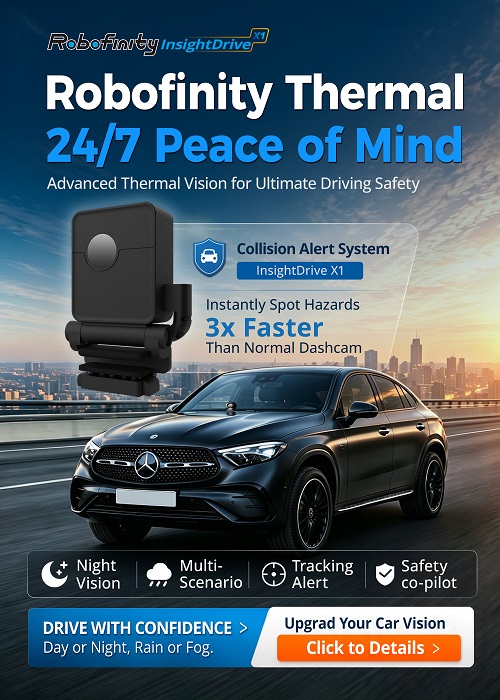


Night driving can be unpredictable, and that is exactly why many drivers search for the best night vision dash cam for cars. Whether you commute after dark, park on poorly lit streets, or simply want reliable evidence in case of an accident, a good dash cam can make a major difference. The challenge is that not every camera that claims “night vision” performs well in real-world conditions. Some struggle with glare, low light, headlights, or rain, while others capture crisp footage that stays useful even when visibility drops. Choosing the right model means understanding what features truly matter for nighttime recording and which type of dash cam best fits your driving habits.
What Makes a Dash Cam Good at Night?
A dash cam that performs well during the day is not automatically effective after sunset. Night recording depends on how well the camera handles light, motion, contrast, and noise. Since streets are often dimly lit and headlights can create strong glare, the best night-capable models need a strong balance of hardware and software.
Image Sensor Quality
One of the most important components is the image sensor. Larger, higher-quality sensors generally collect more light, which helps preserve detail in dark environments. A camera with a good sensor can capture license plates, road signs, and surrounding vehicles more clearly than a cheap model with poor low-light performance.
Aperture Size
The aperture determines how much light enters the lens. A lower f-number means a wider aperture and better light intake. For night driving, this is extremely useful because it improves brightness without forcing the camera to overcompensate with digital noise.
HDR and WDR Support
High Dynamic Range (HDR) and Wide Dynamic Range (WDR) help balance scenes with both bright and dark areas. That matters at night when headlights, streetlights, and shadows all appear in the same frame. With HDR or WDR, your dash cam is less likely to wash out bright areas or lose details in dark ones.
Frame Rate and Resolution
Higher resolution helps preserve detail, but it must be paired with a capable sensor to be truly useful at night. A 2K or 4K dash cam can offer more usable footage, but only if low-light performance is also strong. A smooth frame rate is equally important because motion blur can make dark footage difficult to interpret.
Which Features Should You Look For?
When shopping for the best night vision dash cam for cars, it helps to focus on features that improve both image quality and reliability. Many brands market their cameras aggressively, but a few specifications consistently indicate better nighttime performance.
Starvis or Similar Low-Light Sensors
Dash cams equipped with Sony STARVIS sensors or similar low-light sensors are often excellent for nighttime recording. These sensors are designed to capture more light and reduce grain in dark scenes. They are often found in higher-quality models and are worth prioritizing.
Parking Mode
Nighttime protection is not only about driving. Parking mode can record incidents while your car is parked, which is especially valuable in dim lots or residential areas. A reliable parking mode may use motion detection, impact detection, or time-lapse recording to keep your vehicle protected when you are away.
Rear Camera Support
If you want broader coverage, consider a front-and-rear setup. Rear cameras are useful for capturing tailgaters, rear-end collisions, and parking incidents. Even at night, a dual-channel system can provide a more complete picture of what happened.
Infrared Lighting
Some dash cams use infrared LEDs, especially in interior-facing models. While infrared can be helpful in certain situations, it is not always necessary for road-facing cameras. In fact, the best road dash cams usually rely more on high-quality sensors and lenses than on visible infrared lights.
Best Types of Night Vision Dash Cams
There is no single dash cam that is perfect for every driver. The best choice depends on how and where you drive. Understanding the main categories can help narrow the search.
Single-Channel Dash Cams
A single-channel dash cam records only the front of the vehicle. These models are simpler, often more affordable, and can still offer excellent nighttime performance if they have a strong sensor and lens. They are a good choice for drivers who want basic protection without a complicated setup.
Dual-Channel Dash Cams
Dual-channel cameras record both front and rear views. This makes them a better option for drivers who want more complete coverage. At night, the rear camera can be especially valuable in hit-and-run situations or parking lot accidents.
Interior and Ride-Share Dash Cams
For rideshare drivers, taxis, or anyone who wants to monitor the cabin, interior-facing dash cams are worth considering. These often include infrared lights to capture passengers in low light. While they are not always the best choice for general road use, they serve an important purpose for commercial drivers.
What Is the Best Night Vision Dash Cam for Cars?
The best night vision dash cam for cars is usually one that combines a high-quality low-light sensor, a wide aperture, HDR or WDR support, and dependable parking mode. In practice, the strongest options often come from reputable brands known for consistent video quality rather than flashy marketing.
Why Premium Models Often Perform Better
Premium dash cams typically offer better sensors, improved lenses, and more refined image processing. These features matter more at night than many drivers realize. A budget camera may record in 4K on paper, but still produce blurry or noisy footage after dark. A well-built midrange or premium model often delivers more useful real-world results.
Balanced Recommendation
For most drivers, the ideal choice is a front-facing or dual-channel dash cam with a Sony STARVIS sensor, HDR support, and strong parking mode. That combination tends to offer the best mix of clarity, protection, and reliability for nighttime use. If your vehicle is frequently parked outdoors, parking surveillance becomes just as important as driving footage.
How to Compare Night Vision Dash Cams
To make the right choice, compare more than just resolution and price. Focus on the features that affect nighttime clarity in real conditions.
Check Real Sample Footage
Manufacturer specs can be misleading. Always look for real sample videos recorded at night. Pay attention to how well the camera handles headlights, streetlights, and unreadable dark areas.
Look at Compression and Storage
A dash cam can only be as useful as the footage it stores. Efficient video compression helps preserve detail without filling up your memory card too quickly. Choose a camera that supports high-endurance microSD cards and loop recording.
Consider Ease of Use
A camera with great image quality is not enough if it is hard to install or manage. Clear menus, reliable mobile apps, and easy file access can make a big difference in everyday use.
Final Thoughts
The best night vision dash cam for cars is one that performs reliably in real-world darkness, not just one that looks impressive in product listings. Look for a strong low-light sensor, a wide aperture, HDR or WDR support, and a dependable parking mode. For many drivers, a dual-channel system offers the most complete protection, while single-channel models can still be excellent if the image quality is strong.
If your priority is clear nighttime evidence, focus on image quality first and extra features second. A dash cam that captures sharp, balanced footage after dark can provide peace of mind every time you drive, park, or leave your car unattended. In the end, the right choice is the one that gives you confidence that important details will not be lost when visibility is low.