

Highway anxiety is a very common fear. Many drivers experience it. You are not alone.
- What Exactly Is Highway Anxiety?
- Why Do I Get So Anxious on the Highway?
- Preparation: Your Key to Confidence Before You Even Drive
- In-the-Moment Strategies to Calm Highway Anxiety
- Gradual Exposure: The Most Effective Long-Term Method
- Changing Your Mindset About Driving
- When to Seek Professional Help
- Technology as Your Co-Pilot
- You Can Do This
This feeling can range from mild nervousness to full-blown panic attacks. It can make merging, changing lanes, or driving at high speeds feel overwhelming. The good news is that you can manage it. You can even overcome it completely. This guide will walk you through simple, practical steps. We will cover everything from understanding your fear to building lasting confidence. Let’s turn that stressful drive into a peaceful journey.
What Exactly Is Highway Anxiety?
Let’s first define highway anxiety. It is a specific type of driving fear. It focuses on multi-lane, high-speed roads like freeways and interstates. Symptoms are both mental and physical. Your heart might race. Your palms could sweat. You may feel tense or dizzy. Thoughts of “what if” scenarios flood your mind. “What if I can’t merge?” “What if I have a panic attack?” This is your body’s “fight or flight” response. It is being triggered in a situation that feels threatening. Understanding this is your first step to overcoming highway anxiety.
Why Do I Get So Anxious on the Highway?
Pinpointing the root cause helps. For some, highway anxiety starts after a bad experience. A near-miss accident can be traumatic. For others, it’s a learned fear. Maybe a parent was a nervous driver. Sometimes, it’s about specific triggers. Common triggers include:
Heavy Traffic: Lots of cars moving quickly feels chaotic.
Merging: Finding a gap in fast-moving traffic is stressful.
Large Trucks: Being next to or between big rigs can be intimidating.
High Speeds: Feeling a loss of control at 65+ mph.
Bridges and Tunnels: The feeling of being “trapped” can trigger anxiety.
Fear of Having a Panic Attack: This is a big one. The fear of the fear itself keeps the cycle going.

Preparation: Your Key to Confidence Before You Even Drive
Success starts before you turn the key. Good preparation reduces unknowns. Unknowns fuel highway anxiety.
- Plan Your Route. Use a GPS or map app. Know your entry and exit points. Identify where lanes might merge. This removes surprise. Familiarity breeds comfort.
- Choose the Right Time. Start your practice at low-traffic times. Early Sunday mornings are often great. Avoid rush hour at first.
- Get Your Car Ready. Ensure your car is in good shape. Check tire pressure and fuel. A clean windshield and working mirrors improve visibility. Car trouble worries add to driving anxiety.
- Practice Relaxation Techniques. Learn simple breathing exercises. Try “4-7-8” breathing: inhale for 4 seconds, hold for 7, exhale for 8. Do this before you drive. It calms your nervous system.
In-the-Moment Strategies to Calm Highway Anxiety
You’re on the highway now. The nervous feelings start. Here’s what to do.
Stay in the Right Lane. The right lane is usually for slower traffic. It’s often less stressful. You can take your time. You avoid the pressure of faster cars behind you. Use this lane as your safe space.
Increase Following Distance. Leave more space than usual between you and the car ahead. Three to four seconds is ideal. This gives you a bigger safety buffer. It reduces the fear of sudden braking.
Use Your Tools. Turn on cruise control if traffic is light. It helps maintain a steady speed. This can ease tension in your legs. Listen to calming music or an audiobook. Avoid stressful news talk shows.
Talk to Yourself. Use positive, instructional self-talk. Say things like, “I am in control.” “I am safe.” “I can change lanes when I’m ready.” Guide yourself through steps. “Check mirror, signal, check blind spot, merge smoothly.” This focuses your mind on action, not fear.
If Panic Strikes. Pull over safely if you must. Use a rest area or exit ramp. Turn on your hazard lights. Practice your breathing. Remember, it’s okay to stop. The goal is progress, not perfection.
Gradual Exposure: The Most Effective Long-Term Method
This is the golden rule for overcoming highway anxiety. You face your fear slowly and systematically. You build confidence step-by-step.
Step 1: Just drive to the on-ramp. Then turn around and go home. Get comfortable with that.
Step 2: Merge onto the highway. Drive to the very next exit. Then get off. Celebrate that win!
Step 3: Go one exit further. Then two. Slowly increase your distance.
Step 4: Practice changing lanes when it’s very quiet. Signal, check, and move over. Then move back.
Step 5: Gradually try slightly busier times. Each small success rewires your brain. It teaches you that the highway is manageable. Be patient with yourself. This process takes time.
Changing Your Mindset About Driving
Your thoughts powerfully affect your feelings. Challenge the catastrophic thoughts that fuel highway anxiety.
Thought: “I will lose control and crash.”
Challenge: “I am a competent driver. I am following the rules. I am focused on the road. Crashes are rare, and I am being careful.”
Thought: “Everyone is going too fast!”
Challenge: “I am driving at a safe, legal speed. Others can pass me if they need to. My job is to drive safely, not quickly.”
Thought: “If I get anxious, it will be a disaster.”
Challenge: “Anxiety is just a feeling. It is uncomfortable, but not dangerous. I have tools to manage it. I can pull over if I need to.”

When to Seek Professional Help
There is no shame in asking for help. If your highway anxiety is severe, therapy can be life-changing. Cognitive Behavioral Therapy (CBT) is especially effective. It helps you change thought and behavior patterns. A therapist can also use exposure therapy in a guided, supportive way. Talk to your doctor. Your mental well-being is as important as your physical safety.
Technology as Your Co-Pilot
Modern technology offers amazing tools to boost driver confidence and safety. While nothing replaces skill and calm, certain devices can act as a second pair of eyes. This is especially true in challenging conditions that often worsen highway anxiety, like heavy fog, pitch-dark nights, or blinding rain.
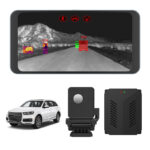
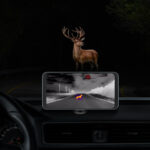
For instance, thermal imaging cameras are becoming a valuable advanced driver-assistance system (ADAS). How can this help someone with driving fears? Imagine a device that can see through total darkness, fog, and light snow. It can detect the heat signature of people, animals, and vehicles far beyond the reach of your headlights. For a driver working on overcoming highway anxiety, this kind of early warning system can provide an incredible sense of security. Knowing you have an extra layer of protection that alerts you to potential hazards—like a deer on the roadside 200 meters away or a stalled car around a foggy bend—can significantly reduce the “fear of the unknown” that fuels anxiety.
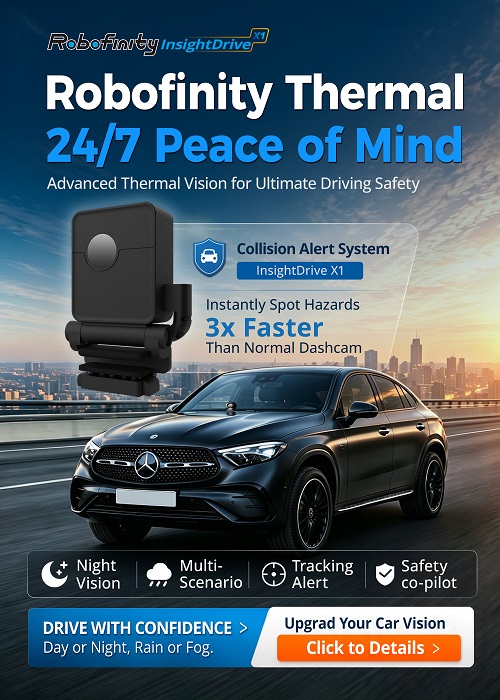
Products like the Robofinity Car Thermal Night Vision camera leverage this technology. It uses AI to intelligently identify people, cars, and animals, providing a collision warning. By seeing up to 200 meters ahead and penetrating conditions like rain, snow, and fog, it helps drivers spot obstacles in complete darkness. Its simple installation makes it accessible, and its core function is a straightforward one: to enhance situational awareness and improve overall driving safety. For anyone building their highway confidence, tools that augment visibility and provide early prompts can be a helpful part of a comprehensive safety strategy.

You Can Do This
Highway anxiety is a hurdle, but it is not a roadblock. With the right preparation, strategies, and mindset, you can reclaim the freedom of the open road. Start small. Be kind to yourself. Celebrate every victory, no matter how tiny it seems. Consistent practice is your greatest ally. Thousands of drivers have walked this path before you and found peace behind the wheel. You can too. Take a deep breath, plan your first small step, and start your engine. Your journey to confident driving begins now.