

Driving safety is something every driver thinks about, but many are not sure where to start.
- Your Daily Driving Safety Checklist
- Keep Your Car in Top Shape for Safety
- Master Defensive Driving for Better Safety
- Avoid These Common Driving Safety Mistakes
- Stay Focused: The Key to Modern Driving Safety
- Driving Safety in Bad Weather and at Night
- How Technology Can Help Your Driving Safety
- Teach Your Teens About Lifelong Driving Safety
- Make a Personal Pledge
- Driving Safety Is a Journey, Not a Destination
- Upgrading Your Nighttime and All-Weather Driving Safety
You can take simple steps right now to become a safer driver. This guide will give you easy tips you can use today. We will talk about your daily habits, your car’s condition, and your mind on the road. Making small changes can have a big impact. Let’s get started on making your journeys safer.
Your Daily Driving Safety Checklist
Start your day with a quick safety check. Look at your tires before you drive. Make sure they have enough air. Check your mirrors and clean your windows. A clear view is key for driving safety. Adjust your seat and steering wheel so you are comfortable. You should see the road easily. Fasten your seatbelt every single time. Tell all passengers to do the same. This simple habit is a cornerstone of driving safety. Put your phone away or use “Do Not Disturb” mode. Distractions are a major safety risk. Plan your route before you go. Knowing where you are going reduces stress and sudden moves.
Keep Your Car in Top Shape for Safety

Your car needs regular care for optimal driving safety. Change your oil as the manual says. Check your brake fluid and engine coolant. Have a professional check your brakes once a year. Good brakes are vital for driving safety. Replace windshield wipers when they streak. You need clear vision in rain. Make sure all your lights work: headlights, brake lights, and turn signals. This helps others see you, which is a critical part of shared driving safety. Keep an emergency kit in your trunk. Include a flashlight, jumper cables, and a first-aid kit. Being prepared is a smart driving safety practice.

Master Defensive Driving for Better Safety
Defensive driving is all about expecting the unexpected. It boosts your driving safety instantly. Keep a safe following distance. Use the “three-second rule” behind other cars. In bad weather, make it four or five seconds. This space gives you time to react. Always scan the road ahead. Look for brake lights, pedestrians, or debris. Check your mirrors every few seconds. Know what’s beside and behind you. This awareness is crucial for driving safety. Signal early before you turn or change lanes. Communicate your intentions to other drivers. Assume other drivers might make mistakes. Be ready to slow down or move over. This proactive mindset is the heart of defensive driving safety.
Avoid These Common Driving Safety Mistakes
We all develop bad habits. Fixing them improves driving safety right away. Do not speed. Faster driving means less reaction time and harder crashes. Obey speed limits for everyone’s driving safety. Never drive when tired. Drowsy driving is as dangerous as drunk driving. If you feel sleepy, pull over and rest. Do not tailgate. It is aggressive and dangerous. It ruins the driving safety for you and the car in front. Do not ignore blind spots. Always turn your head to check before changing lanes. Avoid eating or grooming while driving. These activities take your focus off the road. Eliminating these mistakes is a direct boost to your driving safety.
Stay Focused: The Key to Modern Driving Safety
In today’s world, focus is a major driving safety challenge. Put your phone in the glove box to resist temptation. If you need GPS, set it up before you drive. Avoid deep conversations when traffic is heavy. Keep the radio volume at a reasonable level. Do not let your mind wander. Think about your driving. If you are upset or angry, take a moment to calm down before driving. Your emotional state affects your driving safety. Teach young drivers in your family about the importance of focus. Good habits start early. Remember, full attention is non-negotiable for true driving safety.
Driving Safety in Bad Weather and at Night
Weather and darkness require extra driving safety steps. In rain, slow down and turn on your headlights. Increase your following distance. Roads are slickest when rain first starts. In fog, use low-beam headlights. High beams will reflect back and reduce vision. For winter driving safety, use snow tires if you live in a cold area. Drive smoothly, without sudden turns or stops. At night, be extra cautious. Your vision is limited. Slow down and watch for animals or pedestrians. Clean your headlights regularly for better light output. Adjusting your behavior for conditions is a powerful driving safety tool.
How Technology Can Help Your Driving Safety
Modern cars have tools that aid driving safety. Learn how to use them properly. Anti-lock brakes (ABS) help you steer during hard braking. Do not pump ABS brakes; just press firmly. Electronic Stability Control (ESC) helps prevent skids. It works best when you maintain your tires properly. Backup cameras help you see behind. Still, always turn and look as well. Blind-spot monitoring systems are great helpers. But you should still do your own mirror and shoulder checks. These systems are aids, not replacements, for good driving habits. Use them to enhance your awareness.
Teach Your Teens About Lifelong Driving Safety
If you have a new driver at home, you shape their driving future. Practice driving with them in different conditions. Talk about the reasons behind the rules. Set a good example with your own driving. Make a parent-teen driving agreement. Set clear rules about passengers, night driving, and phone use. Emphasize that driving is their responsibility. Celebrate their safe choices. This guidance builds a foundation for a lifetime of safe driving.

Make a Personal Pledge
Promise yourself to be a safer driver. Pick one tip from this article and start today. Maybe it is checking your tire pressure every month. Or maybe it is leaving five minutes earlier to avoid rushing. Small steps build big habits. Share your goal with a friend or family member. The more we discuss it, the more important it becomes. Your commitment can inspire others. Together, we can all make the roads safer.
Driving Safety Is a Journey, Not a Destination
Improving your driving safety is an ongoing process. You will never be “done.” There is always something new to learn or a habit to refine. Review these tips every few months. Take a refresher driving course if you can. Stay curious about being safer. Remember, every trip is a new opportunity to practice safe driving. Your attention and care protect you, your passengers, and everyone else on the road. Start your commitment to better driving safety today.
Upgrading Your Nighttime and All-Weather Driving Safety
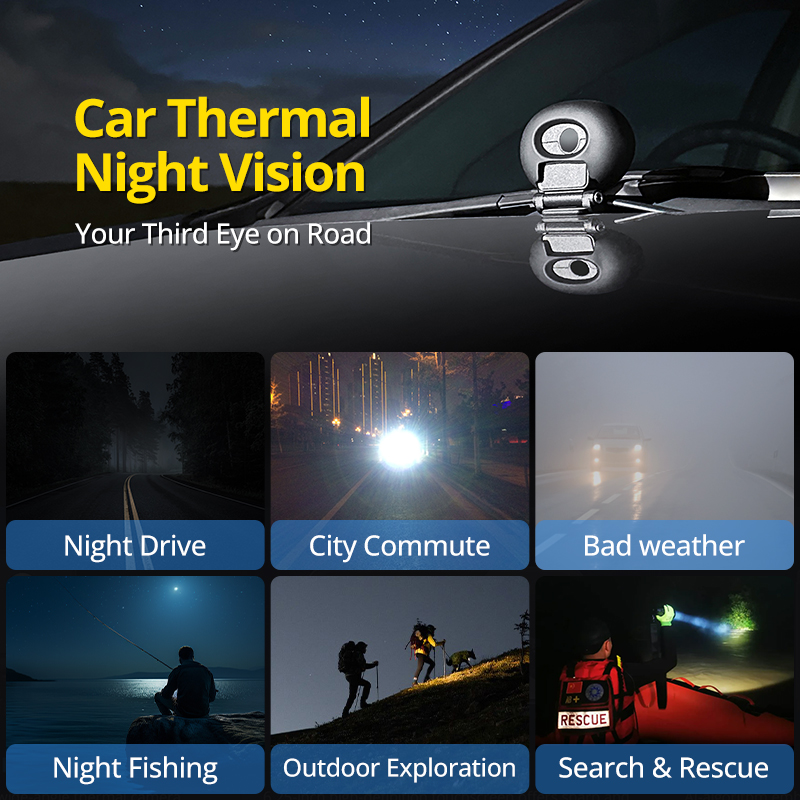
One of the biggest challenges is low visibility. This happens at night, in rain, snow, or fog. Your eyes can only see so far with standard headlights. What if you could see farther and clearer in these tough conditions? New technology is making this possible. For instance, thermal imaging cameras for cars are becoming a powerful tool.
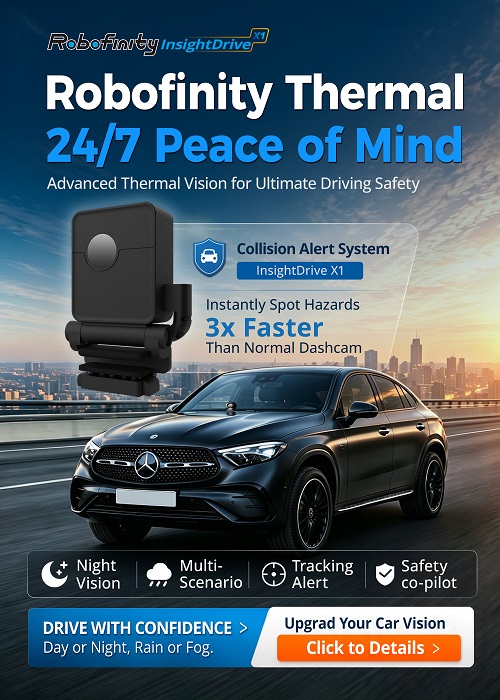
These devices, like the Robofinity Car Thermal Night Vision Camera, act as an extra pair of super-powered eyes. They use heat sensing to see the road ahead. This technology can identify people, cars, and animals through total darkness, fog, or light rain and snow—things your regular headlights might miss until it’s too late. Its AI smart detection gives you an early heads-up, potentially spotting a hazard up to 200 meters away. This extra warning time allowing you to slow down or steer clear calmly. The best part? It’s designed for easy, quick installation, so you can add this serious layer of protection to your vehicle without hassle. For drivers who frequently travel in darkness or challenging weather, integrating such advanced vision technology is a modern, smart step toward ultimate peace of mind.