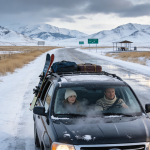


Let’s talk about a goal we all share: staying safe on the road. Every time we drive, we want to get to our destination without any trouble.
But traffic accidents happen every day. The good news? Most of them are preventable. This guide is here to show you exactly how to reduce traffic accident risks effectively. We will walk through simple, practical steps you can take. These steps will make you a more aware and prepared driver. Our aim is to give you the knowledge to protect yourself, your passengers, and others. We will cover your driving habits, your car’s condition, and how modern tech can help. By the end, you’ll have a clear plan to reduce traffic accident risks every single trip.
First, understand that reducing traffic accident risks starts in your mind. Safety is a choice you make before you even start the engine. It’s about being proactive, not reactive. A safe driver is always planning ahead. They are watching, predicting, and ready to act. This mindset is the foundation for everything else. When you commit to safety, you naturally start to look for ways to reduce traffic accident risks. You become more patient. You put away distractions. You focus on the one job that matters when you’re behind the wheel: driving. Let’s break down this proactive approach into actionable areas.

Master Defensive Driving: Your First Line of Defense
Defensive driving is the single most powerful skill to reduce traffic accident risks. It’s not about driving slowly. It’s about driving smartly. You assume others might make mistakes. You then give yourself time and space to react.
- Keep Your Eyes Moving. Don’t stare at the car in front of you. Scan the road ahead. Check your mirrors every 5-8 seconds. Look at intersections, sidewalks, and driveways. This constant scan helps you spot hazards early. Early spotting is key to reduce traffic accident risks.
- Maintain a Safe Following Distance. The “two-second rule” is a minimum. In bad weather, make it four or five seconds. Pick a fixed point on the road. When the car ahead passes it, start counting. You should pass that same point after “one Mississippi, two Mississippi.” This space is your buffer. It gives you time to stop safely.
- Plan Your Escape. Always know where you could go if trouble happens. Is the lane next to you clear? Is there a shoulder? Having an “escape route” in mind prevents panic. This simple habit can dramatically reduce traffic accident risks in sudden brake scenarios.
- Communicate Clearly. Use your turn signals early. Make sure your brake lights work. A friendly hand wave can avoid confusion. Clear communication tells other drivers what you plan to do. This prevents misunderstandings that lead to crashes.
Eliminate Distractions: Focus is Non-Negotiable
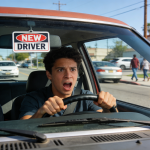
Distracted driving is a massive danger. To truly reduce traffic accident risks, you must manage distractions.
- Silence Your Phone. Put it in “Do Not Disturb” mode or place it in the glove compartment. If you must use it, pull over safely. A single text can wait.
- Pre-Set Everything. Set your GPS, climate control, and radio before you drive. Adjusting settings while moving takes your eyes off the road for too long.
- Secure Passengers and Pets. Make sure kids are properly buckled. Pets should be in a carrier or harness. Explain to passengers that you need to focus on driving. A calm cabin helps you concentrate.
- Don’t Eat and Drive. Spilled coffee or a falling sandwich can cause a major distraction. Finish your meal before you leave or after you arrive.

Maintain Your Vehicle: A Safe Car is a Reliable Car
You can be the best driver in the world. But if your car fails, an accident can still happen. Regular maintenance is a sure way to reduce traffic accident risks caused by mechanical failure.
- Check Your Tires Monthly. Bald tires are dangerous, especially in rain. Use the penny test. Insert a penny into the tread with Lincoln’s head down. If you can see all of his head, your tread is too low. Also, keep tires properly inflated. Check the pressure when they are cold.
- Test Your Lights. Regularly check headlights, brake lights, turn signals, and hazard lights. Ask a friend to help or check reflections at night. Burned-out lights make you invisible to others.
- Never Ignore Warning Lights. That check engine or brake warning light is there for a reason. Get it diagnosed promptly. A small problem can become a big, dangerous failure.
- Replace Wiper Blades. Streaky wipers ruin your visibility in rain or snow. Replace them at least once a year. Also, keep your windshield washer fluid full.
Adapt to Conditions: Weather and Light
Changing conditions require changing tactics. Adapting your driving is crucial to reduce traffic accident risks in bad weather or low light.
- Slow Down in Rain and Snow. Speed limits are for ideal conditions. Rain halves your tire grip. Snow and ice reduce it dramatically. Slow down early for turns and stops. Gentle inputs are key.
- Use Your Headlights. Turn them on at dawn, dusk, and in any rain or fog. This isn’t just to help you see. It’s to help others see you. This is a simple but powerful tip to reduce traffic accident risks.
- Increase Following Distance. Double or triple it in bad weather. You need much more distance to stop safely on a wet or icy road.
- Beware of Glare. Sun glare at sunrise or sunset can be blinding. Keep a good pair of sunglasses in your car. Use your sun visor. If you can’t see, slow down.
Leverage Modern Safety Technology
Today’s cars come with amazing tech designed to reduce traffic accident risks. Use it! Understand what your car has and how it works.
- Learn Your ADAS. Advanced Driver Assistance Systems (ADAS) include features like Automatic Emergency Braking (AEB), Lane Departure Warning, and Blind Spot Monitoring. Read your manual. Know what these alerts sound and feel like. They are your co-pilot.
- Don’t Over-rely on Tech. These systems are assists, not replacements for an attentive driver. Keep your hands on the wheel and your eyes on the road. The tech is a backup, not the primary driver.
- Consider Aftermarket Safety Upgrades. You don’t need a brand-new car to be safer. Adding a dash cam encourages careful driving and provides evidence if needed. The most significant upgrade for challenging conditions, however, might be a thermal imaging camera.
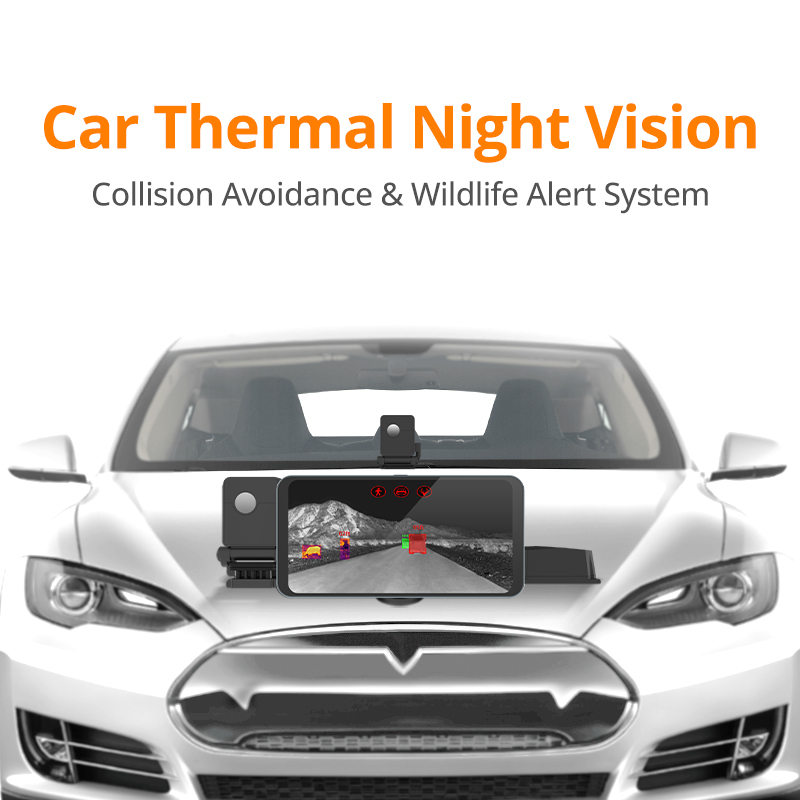
Speaking of upgrades, one of the most revolutionary tools for proactive safety is thermal night vision. Think about your toughest drives: pitch-black country roads, fog, or snow. Your eyes and standard headlights struggle. This is where advanced thermal technology changes the game.
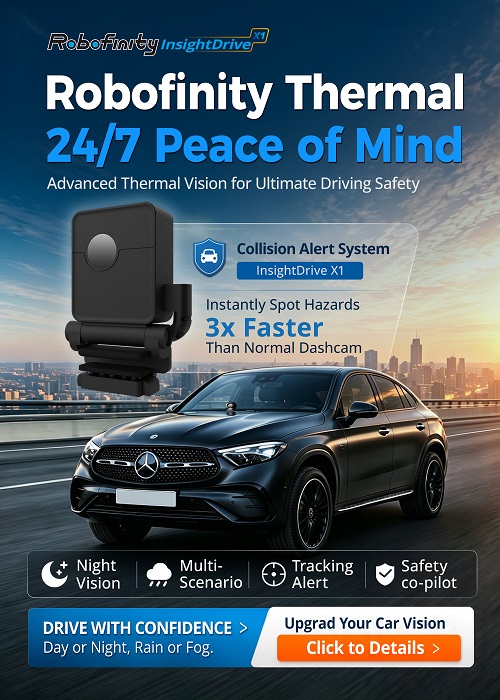
Companies like Robofinity have developed compact thermal imaging cameras designed for everyday drivers. The Robofinity Car Thermal Night Vision acts like a superpower for your senses. Its AI doesn’t just show a heat picture; it intelligently identifies potential dangers—like a person, a deer, or a stalled car—far beyond your headlights, up to 200 meters away. It gives you a verbal and visual “Heads-Up” prompt before a collision risk becomes imminent. The key advantage? Thermal vision penetrates visual obstructions like rain, snow, fog, and total darkness, revealing living beings and objects that are completely invisible to regular cameras or the naked eye. The installation is designed to be simple and quick for most vehicles. By giving you precious extra seconds to react, such technology represents the next logical step in a driver’s mission to reduce traffic accident risks effectively, especially in the most dangerous driving environments.
Conclusion: Safety is a Continuous Journey
Knowing how to reduce traffic accident risks effectively puts you in control. It combines attitude, skill, preparation, and the right tools. Start by adopting a defensive driving mindset. Eliminate distractions. Take care of your vehicle. Respect weather conditions. And embrace technology that extends your awareness. Make these practices habits. Review them often. Share them with new drivers in your family. Every safe trip is a success. Let’s all do our part to make the roads safer for everyone. Remember, the most effective way to reduce traffic accident risks is to never stop learning and never stop caring about safety.