

For every novice driver, the open road represents freedom, independence, and a new chapter in life.
- Part 1: Before You Even Start the Car – The Foundation
- Part 2: Mastering the Essentials of Safe Driving
- Part 3: Navigating Complex and Hazardous Situations
- Part 4: The Psychological Game – Staying Calm and Alert
- Part 5: Beyond the Basics – Lifelong Learning for a Skilled Driver
- Conclusion: Your Journey as a Safe Driver Starts Now
However, it also comes with significant responsibility. Before you turn the key and head out on your first solo drive, there’s a wealth of crucial information you need to master. This comprehensive guide is designed to walk you, the new driver, through everything essential. We’ll cover car basics, road rules, mental preparation, and advanced safety tips. Our goal is to transform you from a nervous beginner driver into a confident, safe, and responsible operator of a vehicle. Let’s buckle up and get started on this journey to becoming a skilled motorist.
Part 1: Before You Even Start the Car – The Foundation
You cannot build a house without a solid foundation. The same goes for driving. A responsible novice driver must start with the basics, long before merging onto a highway.
First, know your vehicle. This is not just about making it go and stop. Every new driver should complete a pre-drive checklist. Adjust your seat so you can reach the pedals comfortably and see the road clearly. Adjust all mirrors to minimize blind spots. Familiarize yourself with the location of every control: headlights, wipers, hazard lights, and defrosters. In a tense moment, you must find these without looking down.
Second, understand the paperwork. Always have your driver’s license, vehicle registration, and proof of insurance in the car. Know what your insurance covers. As an inexperienced driver, being prepared for a routine stop or an accident will reduce your stress immensely.
Finally, adopt the right mindset. Driving is not a right; it’s a privilege. As a rookie driver, you must commit to being focused, patient, and defensive. That means no phones, no loud distractions, and a promise to yourself to never drive under the influence of alcohol or drugs. Your safety, and the safety of others, depends entirely on your choices behind the wheel.

Part 2: Mastering the Essentials of Safe Driving
Now, let’s talk about the core skills that every novice driver must practice until they become second nature.

Speed management is key. The posted speed limit is not a target; it’s a maximum under ideal conditions. A beginner driver should often drive slightly below the limit, especially in bad weather, heavy traffic, or unfamiliar areas. Remember: speed greatly increases the severity of any accident.
Maintain a safe following distance. The old “three-second rule” is a lifesaver. Pick a stationary object on the road. When the car ahead of you passes it, start counting: “one-thousand-one, one-thousand-two, one-thousand-three.” If you pass the object before you finish counting, you’re following too close. For a new driver, increasing this to four or five seconds in rain or fog is a smart habit.
Signal early and check blind spots ALWAYS. Your turn signal is how you “talk” to other drivers. Signal your intention well before you turn or change lanes. Then, perform a physical head check over your shoulder. Modern cars have blind-spot monitors, but a diligent novice driver should never rely solely on technology. This physical check is non-negotiable.
Part 3: Navigating Complex and Hazardous Situations
Driving isn’t always on a sunny, empty road. The true test for a novice driver comes when conditions get tough.
Driving in bad weather requires major adjustments. In rain, slow down and increase your following distance. If the road looks like a mirror, it’s probably hydroplaning – ease off the gas and steer straight until you regain traction. For a beginner driver, heavy fog or snow might be a good reason to postpone a trip. If you must drive, use low-beam headlights in fog (high beams make it worse) and drive at a crawl in snow.
Speaking of handling tough conditions like fog, rain, or pitch-black nights, modern technology is offering novice drivers an incredible tool to enhance their natural senses.
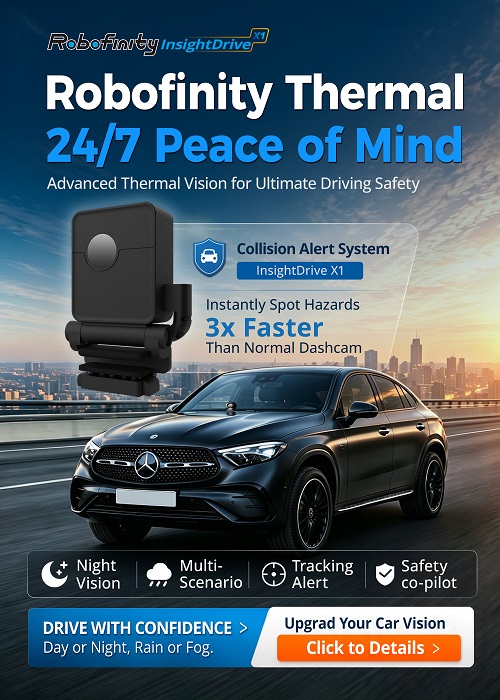
One such groundbreaking advancement is thermal imaging cameras for cars, like Robofinity Car Thermal Night Vision. Think of it as giving your car the ability to “see” heat, not just light. While your eyes and standard headlights struggle in fog, snow, or complete darkness, this system can pierce right through, detecting the heat signatures of people, animals, and vehicles up to 200 meters ahead. Its AI smart detection provides alerts for potential collisions, giving a new driver those precious extra seconds to react that can make all the difference.

Handling heavy traffic and highways. Merging onto a fast-moving highway can be scary. Use the ramp to match the speed of traffic as best you can. Signal clearly, check your blind spot, and merge smoothly. Don’t stop on the ramp. Once on the highway, stay out of the left lane unless you are passing. It’s the law in many states and a core rule for any safe novice driver.
Dealing with emergencies. A tire blowout? Don’t slam the brakes! Grip the wheel firmly, ease off the accelerator, and let the car slow down naturally before gently steering to a safe spot. If your brakes fail, pump them rapidly. If that doesn’t work, use the parking brake gradually and shift to a lower gear. Knowing these steps can prevent a new driver from panicking.
Part 4: The Psychological Game – Staying Calm and Alert
Your state of mind is just as important as your driving skills. A calm novice driver is a safe driver.
Manage road rage – yours and others’. You will encounter aggressive drivers. Do not engage. Do not make eye contact or return gestures. Simply let them pass and create space. For the beginner driver, the best response is always to de-escalate. Your job is to get home safely, not to win an argument.
Avoid distractions at all costs. The number one cause of accidents for inexperienced drivers is distraction. Put your phone in the glove compartment. Set your GPS and playlist before you drive. Eating, applying makeup, or fiddling with the radio are all dangerous activities. Focus on the road, the cars around you, and the pedestrians. That’s it.
Know your limits. Are you tired? Feeling emotional? Not feeling well? A responsible rookie driver knows when to say, “Today is not a good day to drive.” Drowsy driving is as dangerous as drunk driving. Listen to your body and mind. Call a ride-share or ask for a ride. It’s a sign of maturity, not weakness.
Part 5: Beyond the Basics – Lifelong Learning for a Skilled Driver
Passing your test is just the beginning. The learning curve for a novice driver continues for years.
Consider advanced training. Many organizations offer defensive driving or skid-control courses. These give you hands-on experience in controlled environments. A new driver who takes such a course will be far better prepared for real-world hazards than one who does not.
Perform regular vehicle maintenance. Learn how to check your tire pressure and tread depth. Know how to check your oil and coolant levels. A well-maintained car is more predictable and safer. Make this a regular habit from the start of your journey as a novice driver.
Technology is a tool, not a replacement. Use backup cameras, blind-spot alerts, and collision warnings as helpful assistants. But never let them replace your own eyes, mirrors, and judgment. The ultimate responsibility lies with you, the driver.
Conclusion: Your Journey as a Safe Driver Starts Now
Becoming a confident and safe driver is a marathon, not a sprint. Every mile you drive as a novice driver adds to your experience. Remember the fundamentals, respect the power of your vehicle, and always prioritize safety over speed or convenience. The road will throw many challenges your way, but with the right knowledge, a cautious mindset, and continuous practice, you will navigate them successfully. Welcome to the community of responsible drivers. Drive safely, and enjoy the journey.