

Automotive Thermal Night Vision: Must-Have Guide to Effortless Driving
Automotive thermal night vision is transforming the way drivers handle dark roads, poor visibility, and unexpected hazards after sunset. Instead of relying only on headlights, this technology helps detect heat signatures from people, animals, and even vehicles beyond the normal beam of light. For drivers who travel frequently at night, on rural roads, or in bad weather, it can add a valuable extra layer of awareness and confidence.
- What Is Automotive Thermal Night Vision?
- How the Technology Works
- Key Benefits of Automotive Thermal Night Vision
- Improved Hazard Detection
- Better Confidence on Dark Roads
- Enhanced Safety in Poor Weather
- Stronger Support for Driver Assistance Systems
- Where It Is Most Useful
- Limitations to Understand
- Is It Worth the Investment?
- Choosing a Vehicle With Night Vision
- Final Thoughts
Night driving has always carried more risk than daytime travel. Reduced visibility limits reaction time, and hazards can appear suddenly from the roadside or beyond a curve. Traditional lighting systems help, but they have clear limitations. Thermal night vision addresses those limitations by giving drivers a broader and often earlier view of what lies ahead.
What Is Automotive Thermal Night Vision?
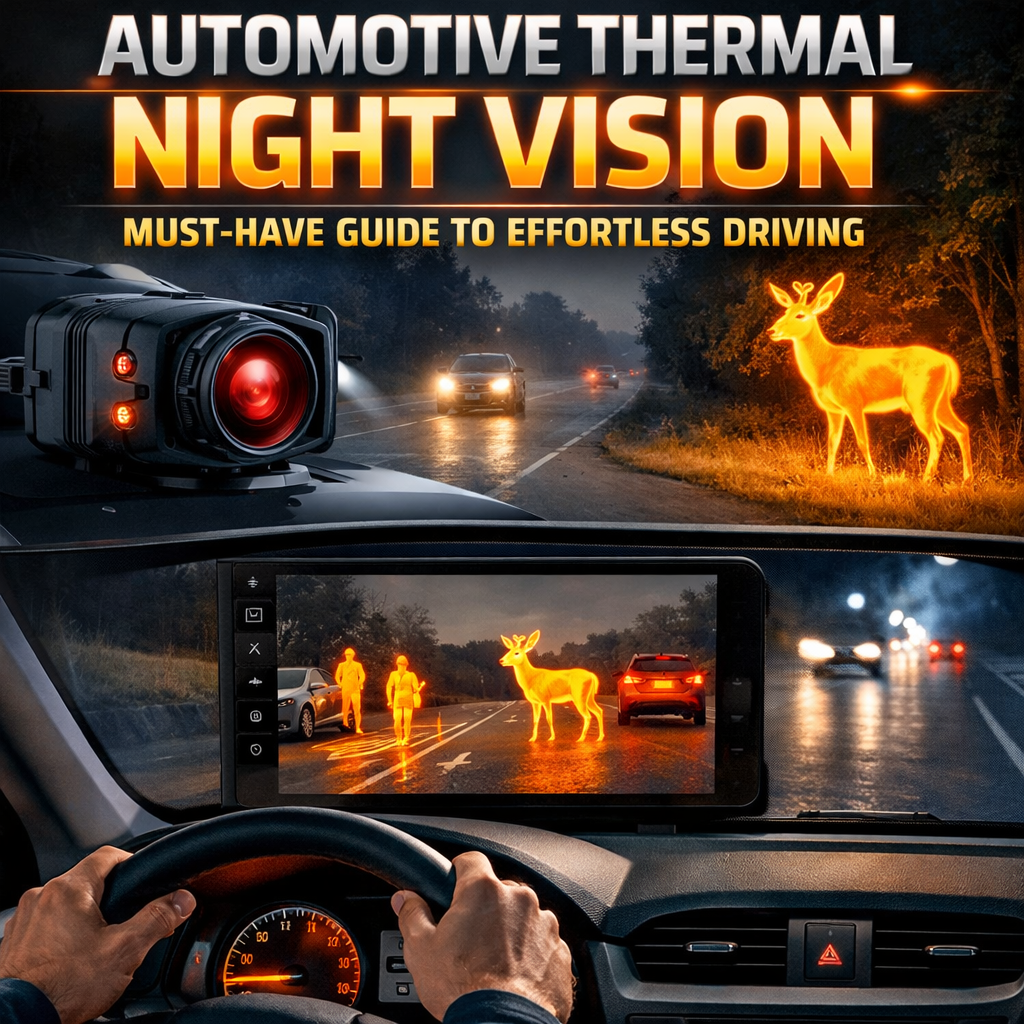
Automotive thermal night vision is an advanced driver-assistance technology that uses infrared imaging to detect heat emitted by objects in front of the vehicle. Unlike standard cameras that depend on visible light, thermal systems “see” temperature differences. This allows them to identify warm objects such as pedestrians, cyclists, deer, and other vehicles even in near-total darkness.
The system typically displays the image on a dashboard screen, digital instrument cluster, or head-up display. Some advanced setups also highlight potential dangers or issue alerts when a person or animal is detected.
This is especially useful in situations where headlights may not reveal a hazard in time, such as:
– Rural roads with wildlife crossings
– Dark highways with poor street lighting
– Foggy or rainy nighttime conditions
– Areas with pedestrians or cyclists wearing dark clothing
How the Technology Works
At the core of automotive thermal night vision is an infrared camera mounted near the front of the vehicle, often in the grille or front fascia. This camera picks up infrared radiation naturally emitted by objects. Since living beings and running engines usually produce heat, they show up distinctly on the display.
There are two common types of night vision systems used in vehicles:
Passive Thermal Systems
Passive systems detect heat signatures without using any extra light source. They are highly effective for spotting warm objects at longer distances and are the type most commonly associated with thermal imaging.
Active Infrared Systems
Active systems use infrared light projected in front of the vehicle and then capture the reflected image. While useful, they differ from true thermal detection because they depend on reflected infrared illumination rather than naturally emitted heat.
For most discussions around automotive thermal night vision, passive thermal imaging is the main focus because of its ability to identify heat-based hazards more effectively in complete darkness.
Key Benefits of Automotive Thermal Night Vision
Improved Hazard Detection
One of the biggest advantages of automotive thermal night vision is earlier hazard recognition. A driver may be able to detect a pedestrian, animal, or stalled vehicle well before it becomes visible in standard headlights. That extra time can make a major difference in avoiding a collision.
Better Confidence on Dark Roads
Driving on isolated or dimly lit roads can be stressful. Thermal night vision reduces uncertainty by extending the driver’s awareness beyond normal visual limits. This can make nighttime travel feel less tiring and more controlled.
Enhanced Safety in Poor Weather
Rain, mist, and light fog can reduce visibility dramatically. While thermal imaging is not a perfect solution for every weather condition, it can still help detect heat-emitting objects when normal vision is compromised.
Stronger Support for Driver Assistance Systems
Modern vehicles increasingly combine multiple sensors for safety. Thermal night vision can complement systems like automatic emergency braking, collision warning, and pedestrian detection. Together, they create a more complete picture of the road environment.
Where It Is Most Useful
Not every driver faces the same nighttime conditions, but some situations make this technology especially valuable.
Rural and Suburban Driving
Drivers in rural areas often encounter wildlife, narrow roads, and limited lighting. Deer and other animals can appear suddenly, and thermal imaging can help spot them before they move into the lane.
Long-Distance Highway Travel
For those who regularly drive long stretches at night, fatigue and reduced visibility are major concerns. A night vision system adds another level of visual support, especially during late-night trips.
Fleet and Professional Use
Commercial drivers, executive transport services, and emergency response vehicles may benefit significantly from thermal night vision. For professionals who spend many hours on the road after dark, improved hazard awareness can support both safety and efficiency.
Limitations to Understand
Although automotive thermal night vision is impressive, it is not a replacement for attentive driving. It works best as a support tool rather than a substitute for proper road awareness.
Some limitations include:
– Higher cost compared to standard vehicle safety features
– Reduced usefulness if drivers ignore the display
– Potential performance variation in extreme weather
– Availability mainly in premium vehicles or optional packages
Drivers also need time to get used to interpreting the thermal display. Like any new technology, its benefits are strongest when the user understands how it works and when to rely on it.
Is It Worth the Investment?
The value of automotive thermal night vision depends on how and where you drive. If most of your travel happens in well-lit urban areas, it may feel like a luxury rather than a necessity. But if you often drive at night on highways, country roads, or in low-visibility conditions, it can be a worthwhile upgrade.
Safety technologies are becoming more important to modern drivers, and thermal night vision fits into that shift. As prices gradually come down and more manufacturers introduce advanced safety packages, this feature may become more common across vehicle segments.
Choosing a Vehicle With Night Vision
If you are considering a vehicle equipped with this feature, look beyond the marketing language and examine how the system actually functions. Important questions include:
– Does it detect pedestrians and animals automatically?
– Where is the display shown?
– Does it integrate with alerts or braking systems?
– How clear is the image at highway speeds?
– Is it standard or part of an optional package?
A test drive at night, if available, can be especially helpful. Seeing the system in action offers a much better understanding of its practical value.
Final Thoughts
Automotive thermal night vision offers a smarter way to approach nighttime driving by revealing hazards that ordinary headlights may miss. It supports safer decision-making, improves confidence in low-light environments, and adds a modern layer of road awareness that many drivers can appreciate.
As vehicle technology continues to evolve, features like this are no longer just futuristic extras. They are becoming meaningful tools for real-world safety. For anyone who wants a more effortless and informed nighttime driving experience, thermal night vision is a feature well worth understanding.