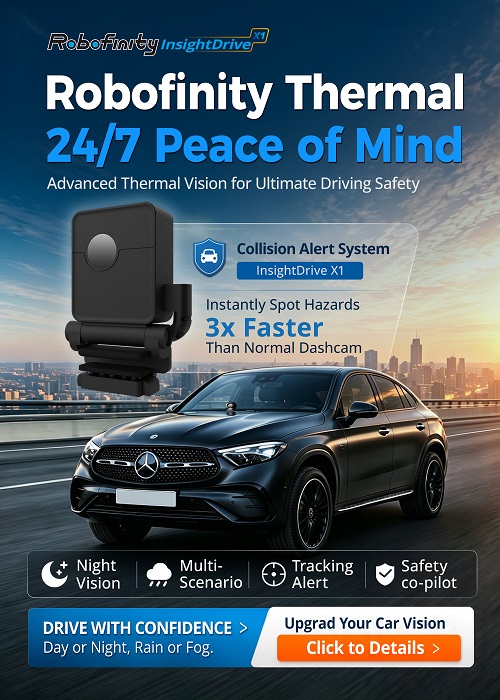


Aftermarket Thermal Night Vision: Best Must-Have Vehicle Upgrade
Aftermarket thermal night vision is quickly becoming one of the most valuable upgrades for drivers who want better visibility, improved safety, and more confidence on the road after dark. While many modern vehicles come equipped with advanced driver-assistance features, most still rely heavily on headlights, cameras, and sensors that can be limited by darkness, fog, glare, rain, or poorly lit roads. Thermal night vision technology helps solve this problem by detecting heat signatures from people, animals, and objects—often before your headlights reveal them.
- What Is Aftermarket Thermal Night Vision?
- Why Thermal Vision Is Different from Regular Night Vision
- Key Benefits of Aftermarket Thermal Night Vision
- Improved Nighttime Safety
- Better Detection of Animals and Pedestrians
- Enhanced Confidence in Bad Weather
- Valuable for Off-Road and Outdoor Use
- Useful for Fleet and Commercial Vehicles
- How Aftermarket Thermal Night Vision Systems Work
- Important Features to Look For
- Detection Range
- Image Quality and Resolution
- Display Options
- Weather Resistance
- Alert Capabilities
- Installation Requirements
- Is Aftermarket Thermal Night Vision Worth It?
- Limitations to Keep in Mind
- Who Should Consider This Upgrade?
- Final Thoughts
Whether you drive long distances, travel rural roads, work in security, enjoy off-road adventures, or simply want an added layer of protection, thermal night vision can dramatically change how you experience nighttime driving.
What Is Aftermarket Thermal Night Vision?
Aftermarket thermal night vision is a vehicle-mounted system that uses infrared thermal imaging to detect heat emitted by living beings and objects. Unlike standard cameras that need visible light to produce an image, thermal cameras detect temperature differences. This means they can “see” pedestrians, cyclists, animals, and vehicles even in complete darkness.
An aftermarket system is installed separately from the vehicle’s original equipment. It can be added to cars, trucks, SUVs, RVs, fleet vehicles, off-road vehicles, and even commercial transport vehicles. These systems typically include a thermal camera, a display screen, wiring, and sometimes additional alerts or integration with existing monitors.
Why Thermal Vision Is Different from Regular Night Vision
Traditional night vision systems often amplify available light. They work best when there is some moonlight, street lighting, or headlight reflection. Thermal vision, however, does not depend on light at all. It reads heat energy.
This difference is important because many dangerous nighttime driving situations happen in areas where visible light is limited. A deer standing near the road, a pedestrian in dark clothing, or a cyclist without reflective gear may be almost invisible to the naked eye until it is too late. A thermal system can detect these hazards much earlier, giving the driver more time to react.
Key Benefits of Aftermarket Thermal Night Vision
Improved Nighttime Safety
The most obvious benefit is safety. Poor visibility is one of the biggest risks of driving at night. Even with powerful headlights, your field of vision is limited. Thermal imaging can extend awareness beyond what headlights reveal, especially in low-light environments.

Drivers may spot pedestrians crossing the road, animals near the shoulder, or stopped vehicles ahead sooner than they would with standard lighting alone.
Better Detection of Animals and Pedestrians
For rural drivers, animal collisions are a serious concern. Deer, elk, moose, dogs, and other animals can suddenly enter the roadway. Thermal imaging highlights their body heat, making them easier to detect against cooler surroundings.
In urban environments, the same technology can help identify pedestrians, joggers, and cyclists, especially in poorly lit areas or during bad weather.
Enhanced Confidence in Bad Weather
Fog, rain, smoke, and dust can reduce visibility, even when headlights are on high beam. While thermal systems are not perfect in every condition, they often provide better contrast than normal vision in challenging environments. This can be especially useful for emergency responders, security professionals, and drivers who frequently operate in unpredictable weather.
Valuable for Off-Road and Outdoor Use
Off-road drivers, hunters, campers, and overlanders often drive or navigate in remote areas after sunset. Thermal night vision can help identify obstacles, wildlife, people, and terrain changes that might otherwise go unnoticed. It adds another layer of situational awareness when traveling away from city lights.
Useful for Fleet and Commercial Vehicles
Fleet operators can benefit greatly from thermal night vision. Delivery trucks, buses, taxis, emergency vehicles, and long-haul transport trucks often operate at night. Reducing accidents and improving driver awareness can help lower repair costs, insurance claims, and downtime.
How Aftermarket Thermal Night Vision Systems Work
Most systems use a forward-facing thermal camera mounted on the front grille, bumper, or roofline. The camera scans the road ahead and sends thermal images to a display inside the vehicle. Some systems use a dedicated screen, while others connect to an existing infotainment display or rearview monitor.
More advanced systems may include pedestrian or animal detection alerts. These alerts can notify the driver visually or audibly when a heat signature appears in a potential danger zone. Some premium models may also offer recording, wide-angle views, or integration with other vehicle safety systems.
Important Features to Look For
Detection Range
Detection range is one of the most important factors. A longer range gives you more time to react. Some systems can detect large animals or vehicles several hundred feet ahead, while premium units may see even farther under ideal conditions.
Image Quality and Resolution
Thermal camera resolution affects how clearly objects appear on the display. Higher-resolution systems usually provide sharper images and better detail, making it easier to distinguish between a person, animal, or roadside object.
Display Options
Some kits come with a standalone monitor, while others connect to your vehicle’s existing screen. A good display should be easy to view without distracting the driver. Placement matters—drivers should be able to glance at it naturally without taking attention away from the road for too long.
Weather Resistance
Since the camera is mounted outside, it must be durable and weather resistant. Look for systems with strong waterproof and dustproof ratings. A rugged housing is especially important for trucks, off-road vehicles, and commercial applications.
Alert Capabilities
Basic systems simply show a thermal image. More advanced options can identify hazards and provide warnings. If safety is your top priority, consider a system with intelligent detection and alerts.
Installation Requirements
Some systems are simple enough for experienced DIY installers, while others require professional installation. Before buying, check whether the kit includes all necessary cables, brackets, and instructions. Professional installation may be worth the cost if you want clean wiring and reliable performance.
Is Aftermarket Thermal Night Vision Worth It?
For many drivers, the answer is yes. The upgrade is especially worthwhile if you frequently drive at night, live in a rural area, travel roads with wildlife, operate a commercial vehicle, or want enhanced safety technology not included in your vehicle from the factory.
The cost can vary widely depending on brand, resolution, range, and features. While a high-quality system may not be cheap, it can provide peace of mind and potentially help prevent costly or dangerous accidents. Compared with the expense of collision repairs, medical bills, or vehicle downtime, the investment can make sense.
Limitations to Keep in Mind
Thermal night vision is powerful, but it should not replace safe driving habits. Drivers should still use headlights properly, maintain safe speeds, avoid distractions, and stay alert. Thermal cameras may have reduced effectiveness in certain conditions, such as when surrounding surfaces are very warm or when heavy glass, walls, or thick barriers block heat signatures.
It is also important to understand that thermal imaging shows heat differences, not regular visual details. You may see the shape of a person or animal clearly, but you will not see colors, road signs, or lane markings the way a normal camera would.
Who Should Consider This Upgrade?
Aftermarket thermal night vision is a smart option for:
– Rural drivers concerned about wildlife collisions
– Long-distance commuters who drive before sunrise or after dark
– Truck, bus, taxi, and rideshare drivers
– Emergency responders and security teams
– Off-road enthusiasts and overlanders
– RV owners and road-trip travelers
– Drivers with older vehicles lacking modern safety features
If nighttime visibility is a regular concern, this upgrade can provide a meaningful improvement.
Final Thoughts
Aftermarket thermal night vision offers a practical and advanced way to improve vehicle safety, visibility, and driver confidence after dark. By detecting heat signatures from people, animals, and objects, it helps drivers recognize hazards earlier than headlights alone often allow.
While it does not replace attentive driving, it can be a powerful companion to existing safety features. For anyone who spends significant time driving at night or in low-visibility conditions, thermal night vision is more than a luxury—it is a smart, forward-thinking vehicle upgrade.