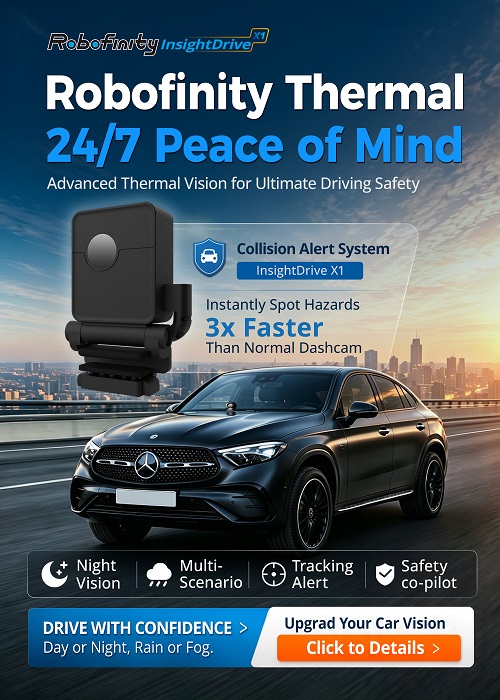


Car Thermal Imaging Camera: Best Affordable Night Driving Upgrade
Car thermal imaging camera technology is quickly becoming one of the smartest upgrades for drivers who want better visibility at night without spending a fortune on luxury safety packages. Once found mostly in high-end vehicles and specialized commercial fleets, thermal imaging systems are now becoming more accessible to everyday drivers. If you regularly drive on dark highways, rural roads, poorly lit streets, or in bad weather, this upgrade can add a valuable layer of awareness that standard headlights and even some advanced lighting systems cannot provide.
- What Is a Car Thermal Imaging Camera?
- Why This Upgrade Makes Sense for Night Driving
- Benefits of Installing a Car Thermal Imaging Camera
- 1. Better Hazard Detection
- 2. Added Confidence on Dark Roads
- 3. Useful in More Than Total Darkness
- 4. More Affordable Than Factory-Installed Systems
- What to Look for in an Affordable System
- Is a Car Thermal Imaging Camera Worth It?
- Tips for Getting the Most from Your Thermal System
- Final Thoughts
Night driving is challenging for many reasons. Visibility drops, reaction times shrink, and hazards such as pedestrians, animals, cyclists, or stalled vehicles can appear suddenly. Traditional headlights only illuminate what is directly ahead, and they can be limited by fog, rain, shadows, or road curves. A thermal imaging system works differently. Instead of relying on visible light, it detects heat signatures, helping drivers spot living beings and warm objects before they are fully visible to the naked eye.
What Is a Car Thermal Imaging Camera?

A car thermal imaging camera is a device that uses infrared technology to detect temperature differences in the environment. It captures thermal radiation emitted by objects and converts that data into an image displayed on a screen inside the vehicle. Warmer objects, such as people, animals, and recently operated engines, stand out against cooler backgrounds, making them easier to identify in dark conditions.
Unlike standard dash cams or backup cameras, thermal cameras are not designed to record clear color video of the road. Their main purpose is hazard detection. This makes them especially useful in situations where visual contrast is poor, such as on unlit country roads or during nighttime driving in wooded areas.
For many drivers, the appeal is simple: better awareness means more time to react. Even a few extra seconds can make the difference between avoiding a collision and experiencing a dangerous incident.
Why This Upgrade Makes Sense for Night Driving
The main advantage of a thermal imaging system is early detection. Headlights might reveal a deer only when it is already dangerously close to your car. A thermal camera, however, may detect the animal much earlier because of its body heat. The same applies to pedestrians walking near the edge of the road, cyclists in dark clothing, or cars stopped in low-visibility conditions.
More EV News

This is particularly helpful for:
– Rural drivers who often encounter wildlife
– Commuters traveling before sunrise or after sunset
– Rideshare and delivery drivers who spend long hours on the road
– Drivers in areas with poor street lighting
– Anyone driving in fog, smoke, or light rain
Thermal imaging does not replace attentive driving, but it gives you more information. In a world where safety technology is becoming more proactive, this kind of visibility enhancement can be a practical and affordable step forward.
Benefits of Installing a Car Thermal Imaging Camera
1. Better Hazard Detection
The most obvious benefit is seeing potential dangers sooner. Heat-based detection can highlight objects that are hard to see with headlights alone. This can improve your response time and help reduce the chance of nighttime collisions.
2. Added Confidence on Dark Roads
Driving on unfamiliar roads at night can feel stressful. A thermal display offers another way to scan the road ahead, which can make nighttime driving feel more manageable and less tiring.
3. Useful in More Than Total Darkness
Thermal cameras are often associated only with pitch-black conditions, but they can also provide value in dawn, dusk, fog, and certain low-contrast weather situations. While performance varies by device, many systems remain useful even when visibility is partially obstructed.
4. More Affordable Than Factory-Installed Systems
Luxury vehicles have offered thermal night vision for years, but those systems usually come bundled with expensive trims and advanced packages. Aftermarket options have opened the door for budget-conscious drivers who want similar benefits without buying a premium car.
What to Look for in an Affordable System
If you are shopping for a car thermal imaging camera, affordability should not mean sacrificing key features. There are several important things to compare before buying.
Image Resolution
Higher resolution generally provides a clearer and more detailed thermal image. Budget systems may have lower resolution, but they can still be effective if your main goal is spotting large heat signatures ahead.
Detection Range
Look at how far the camera can detect pedestrians, animals, or vehicles. A longer range gives you more reaction time, especially at highway speeds.
Display Options
Some models come with a dedicated monitor, while others connect to an existing infotainment screen or a smartphone app. Choose a setup that feels easy to view without becoming a distraction.
Mounting and Installation
Some systems are designed for simple dashboard or grille mounting, while others require more permanent installation. If you want a clean look, professional installation may be worth the added cost.
Alerts and AI Features
Some newer thermal systems include visual outlines, obstacle recognition, or audible warnings. These features can make the system easier to use, especially if you are new to thermal imaging.
Is a Car Thermal Imaging Camera Worth It?
For many drivers, the answer is yes. If you mostly drive in bright urban areas with good lighting, you may not need one. But if your routine includes rural roads, wildlife zones, night shifts, long-distance travel, or low-visibility routes, the value becomes much clearer.
What makes this upgrade especially appealing is that it fills a gap left by traditional lighting. Headlights help you see the road. Thermal imaging helps you identify what may be on or near it. That distinction matters when seconds count.
It is also worth considering the cost of a single accident involving an animal or pedestrian. Vehicle repairs, insurance claims, and injury risks can add up quickly. In that context, even a moderately priced thermal camera may feel like a smart investment.
Tips for Getting the Most from Your Thermal System
To use your system effectively, keep a few best practices in mind:
– Do not rely on it as your only safety tool
– Learn how different heat signatures appear on the display
– Keep the camera lens clean for the best performance
– Position the display where it is visible but not distracting
– Combine it with safe speed, good headlights, and defensive driving habits
The more familiar you become with the display, the more useful it will be in real-world conditions.
Final Thoughts
A thermal imaging upgrade can bring advanced nighttime awareness to vehicles that were never designed with premium safety tech in mind. As prices continue to become more reasonable, more drivers are realizing that this technology is not just for luxury cars or professional fleets.
If you want a practical safety enhancement that improves visibility where headlights fall short, a car thermal imaging camera stands out as one of the best affordable upgrades for night driving. It offers extra confidence, earlier hazard detection, and a smarter way to navigate the road after dark.