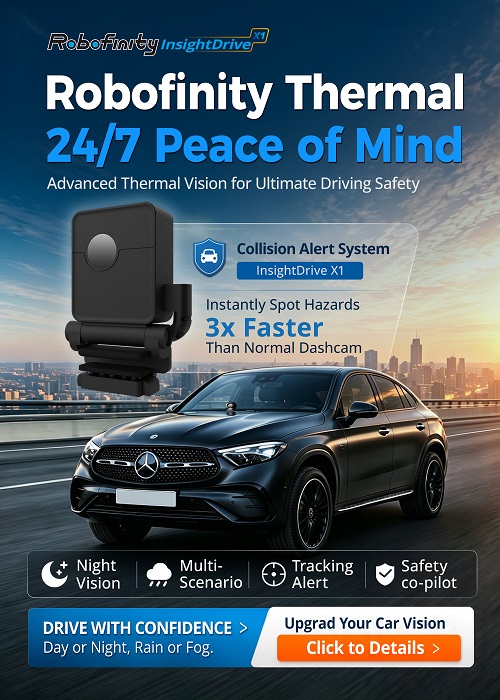


Installing a car night vision system can improve awareness in darkness, but the “right” setup depends on your vehicle, mounting location, power requirements, and your expectations for what the technology can and cannot do. Before you install, use this checklist to choose compatible hardware, avoid common installation mistakes, and get more dependable value from thermal or infrared night vision. If you are still comparing options, a good place to start is this guide to automotive thermal night vision system basics.
- What a Car Night Vision System Actually Does
- Start With the Right Expectations
- Check Vehicle Compatibility First
- Power and electrical setup
- Interior space and screen placement
- Exterior mounting space
- Weather exposure
- Thermal Imaging vs. Other Night Vision Types
- Camera Placement Matters More Than Many Buyers Expect
- Understand Display Quality and Driver Ergonomics
- Installation Style: Professional vs. DIY
- Know the Limitations Before You Rely on It
- Maintenance After Installation
- What to Compare Before You Buy
- When a Night Vision System Makes the Most Sense
- FAQ
- Is a car night vision system worth installing?
- Does it replace headlights or normal driving habits?
- Is thermal imaging better than regular low-light video?
- Can I install a night vision system myself?
- What should I look for in camera placement?
- Do these systems work in fog or rain?
- How often should I check the system after installation?
- Conclusion
What a Car Night Vision System Actually Does
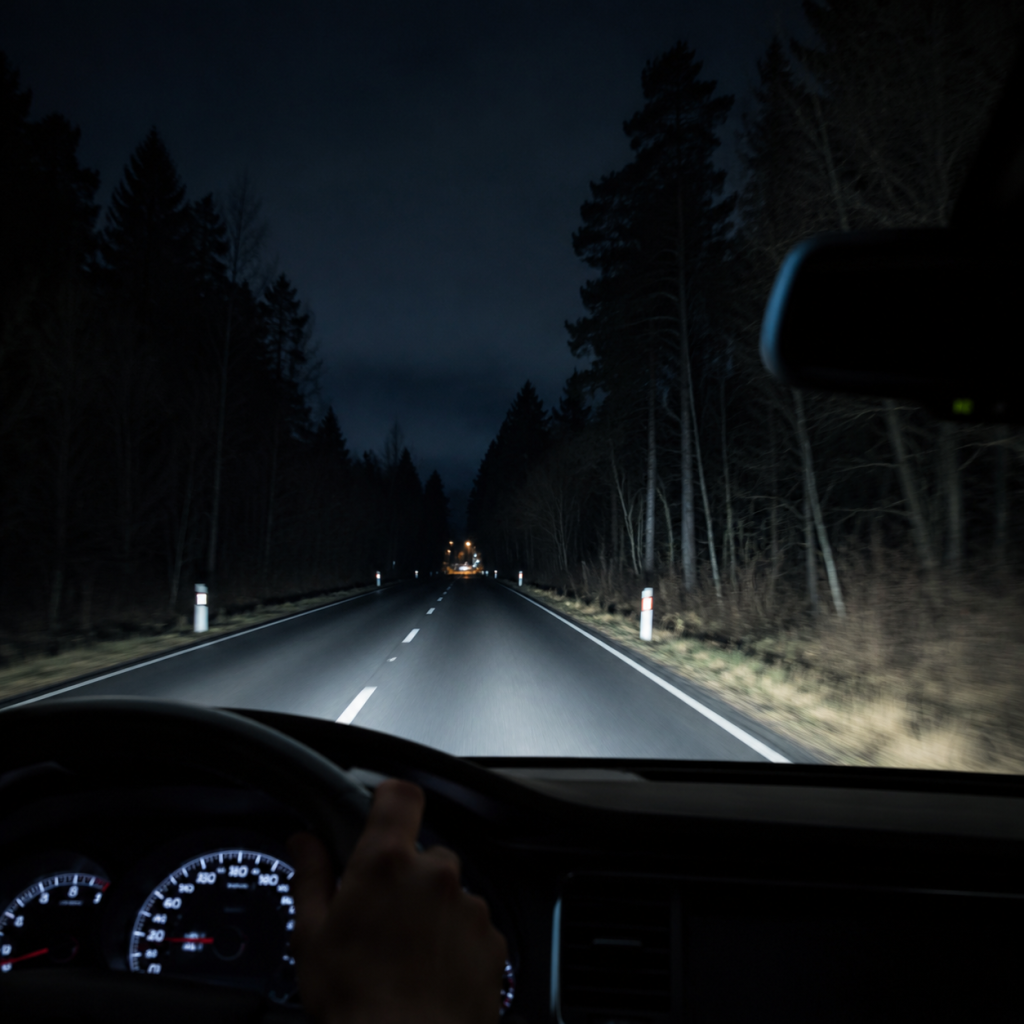
A night vision system is designed to make hard-to-see hazards more noticeable to the driver. Depending on the technology, it may use thermal imaging, infrared imaging, or a combination of sensors and software to help identify pedestrians, animals, vehicles, and obstacles in low-light conditions.
The practical benefit is not that the system “sees everything.” Instead, it can help you notice a risk earlier than your eyes might in darkness, on a wet road, or when headlights reflect off the pavement. That extra awareness can be especially useful on unlit highways, narrow rural roads, or mountain routes where people and animals can appear suddenly.
What it does not do is replace headlights, mirrors, safe speed, or driver attention. It is a support tool, not a substitute for normal driving habits.
In other words, a car night vision system can add valuable information, but it works best when the driver still uses standard road-scanning habits.
Start With the Right Expectations
Before installing any night vision system, decide what problem you actually want it to solve.
More EV News
Some drivers mainly want better pedestrian and animal detection. Others want a confidence boost on dark roads. Some want a larger display with thermal imagery, while others want recording, alerts, or collision warnings.
A useful installation starts with these questions:
- Do you need visibility of people and animals, or just broader forward awareness?
- Do you drive mostly in cities, on highways, or in rural areas?
- Do you want a stand-alone screen or integration with an existing display?
- Will the system be used only at night, or also in fog, rain, snow, and headlight glare?
- Do you want recording, alerts, or both?
If you skip this step, it is easy to buy a car night vision system that looks advanced but does not fit how you actually drive. A smaller, simpler package may be more useful than a premium setup with features you never use.
Check Vehicle Compatibility First
Not every vehicle is equally easy to fit with a night vision system. Compatibility is one of the most important checks to complete before installation.
Power and electrical setup
Many aftermarket systems use a 12V power supply, often through the cigarette lighter or another vehicle power source. That sounds simple, but the route from the power source to the camera and display still matters. You need to confirm whether wiring can be routed cleanly, whether hardwiring is required, and whether the installation could interfere with other electronics.
It is worth checking the owner’s manual and the kit instructions before you begin so the car night vision system can be powered safely and consistently.
Interior space and screen placement
If the system uses a separate display, make sure there is a practical place for it. The screen should be visible without blocking the windshield, vents, controls, or existing driver information. If the display is too low, too far off-center, or too small for quick scanning, the system can become annoying or distracting instead of useful.
Exterior mounting space
The camera needs a stable position with a clear forward view. Grilles, bumpers, and front trim vary widely, and some cars have design features that make placement harder than it looks. A good mounting point should be protected, aligned correctly, and not easily blocked by dirt, license plates, trim pieces, or vehicle body motion.
Weather exposure
If the camera is mounted outside the cabin, it should be suitable for rain, road spray, dust, and temperature changes. For instance, an IP67 camera rating offers meaningful protection against typical exposure, but you still need to think about where the unit sits and how it will be maintained over time.
A vehicle that sees harsh winters or frequent washes may need extra attention, because a car night vision system can only perform as well as its least protected component.
Thermal Imaging vs. Other Night Vision Types
Before installation, identify the type of system you are getting and how it tends to perform in real driving.
Thermal imaging
Thermal systems detect heat differences. They are often useful for spotting pedestrians and animals because warm bodies stand out against cooler surroundings. A thermal car night vision system can also help when visible-light cameras struggle, such as in darkness, fog, or glare-heavy conditions.
Infrared-based systems
Infrared systems can improve low-light visibility, but they behave differently from thermal imaging. They often depend more on reflected light and may be influenced by lighting conditions in ways thermal systems are not.
Combined systems
Some setups blend camera input, software processing, and driver alerts. These can be helpful, but the value depends on how the system presents information. If the interface is overly complex, it can reduce the benefit.
If your priority is night driving where people, deer, or other animals may appear unexpectedly, thermal imaging is usually the more relevant category to compare. A car night vision system built around thermal imaging often makes the most sense for that kind of use.
Camera Placement Matters More Than Many Buyers Expect
A night vision system is only as good as its view of the road. For best results, the camera must be mounted where it can look straight ahead with minimal obstruction.
If the angle is too high, too low, or partially blocked, the system can miss what matters or produce a distorted view. A poor mounting location can also reduce reliability in rain, snow, or when the front of the car gets dirty.
Before installation, consider:
- Will the camera have a clear line of sight?
- Is the location protected from minor impacts and road debris?
- Can it be cleaned easily?
- Will the cable route stay secure and out of sight?
- Does the mount help keep the camera aligned over time?
If the system is meant to support hazard detection, view quality is not just a cosmetic detail. It is the core of the system. A car night vision system can only help when the camera sees the road clearly and consistently.
To go deeper on what affects performance, review vehicle mounted thermal camera for night vision.
In practice, a careful mounting position often matters more than adding extra features, because a stable view is what lets the car night vision system do its job well.
Understand Display Quality and Driver Ergonomics
The display is where many systems succeed or fail in daily use. A screen that is too small, too dim, or poorly positioned can make the system hard to trust. A screen that is too bright or overly attention-grabbing can create distraction.
The goal is not to add more visual noise. The goal is to make hazards easier to notice without forcing the driver to take attention away from the road for too long.
Look for practical display traits:
- Clear contrast in darkness
- Fast response time
- Simple layout
- Readable icons or warnings
- Placement that does not block the road view
If the system includes alerts, check whether they are easy to interpret at a glance. Overly frequent or vague warnings can become irritating, and drivers may start ignoring them.
A good car night vision system should feel easy to glance at, not like another screen that competes for your attention.
Installation Style: Professional vs. DIY
Some car night vision system kits are possible to install yourself, but DIY is not automatically the best choice. Your comfort level, vehicle layout, and the required camera alignment all matter.
DIY may work if
- The system is plug-and-play
- The mount and cable routing are straightforward
- You are comfortable with basic vehicle electronics
- The display can be installed without affecting safety or visibility
Professional installation may be better if
- The system needs hardwiring
- The camera placement requires careful alignment and calibration
- You want a cleaner interior finish
- The vehicle has sensitive electronics or limited trim access
- The system is part of a broader safety upgrade
A professional install can reduce the risk of loose wiring, poor camera alignment, or an awkward screen position. That matters because improper installation can create clutter, noise, or interference instead of practical value.
For many owners, the decision comes down to whether the car night vision system needs a simple mount or a more involved integration with the vehicle.
Know the Limitations Before You Rely on It
This is the part many buyers skip, and it matters the most. A night vision system can improve awareness, but it cannot do the job of defensive driving.
A car night vision system may help you notice a person, animal, or obstacle earlier, but it cannot guarantee you will have time to stop, steer, or react safely. It also cannot assume ideal conditions.
Common limitations to keep in mind:
- The system may still be affected by heavy weather, dirt, or poor mounting
- It can assist with visibility, but it does not predict every hazard
- It does not replace headlights or legal driving responsibilities
- It cannot make up for following too closely or driving too fast for conditions
- It should not distract the driver with too much information
That is why the best users treat night vision as a support tool. They continue scanning the road, checking mirrors, obeying speed limits, and leaving enough braking distance.
For background on how vehicle driver-assistance systems are assessed and discussed, see the U.S. National Highway Traffic Safety Administration overview on ADAS and related safety technologies: U.S. NHTSA vehicle safety technology resources.
Even the best car night vision system works within real-world limits, so the driver still remains the most important safety layer.
Maintenance After Installation
Once installed, a car night vision system still needs routine care. The camera lens or protective window can collect dirt, salt, water spots, and debris. If that surface is dirty, image quality can drop quickly.
Maintenance habits include:
- Cleaning the camera area regularly
- Checking cable security during routine car washes or inspections
- Confirming the display powers on correctly
- Testing alert behavior occasionally
- Watching for condensation, damage, or loose fittings
If you drive in winter, muddy conditions, or do long highway trips, inspect front-mounted components more often. Thermal or night vision systems are most useful when they stay clean and properly aligned.
Simple upkeep helps the car night vision system stay dependable, especially when road salt and grime build up around the front end.
What to Compare Before You Buy
If you are still deciding on a system, compare beyond the headline feature list. A better comparison focuses on how the technology matches your driving environment.
Focus on practical points:
- Detection purpose: people, animals, vehicles, or general obstacles
- Image type: thermal imaging, infrared, or mixed
- Screen visibility: daytime and nighttime readability
- Mounting requirements: simple or complex
- Power source: plug-in or hardwired
- Weather resistance: especially for exterior components
- Recording and alerts: useful, but not essential for every driver
- Ease of use: the interface should be simple enough to trust quickly
This is also where your driving route matters. A commuter in a lit urban area may need something different than a driver who spends hours on rural roads, in fog, or on unlit highways.
If you’re evaluating options and want a broader comparison, see what are the best automotive thermal night vision systems in 2026?
When you compare choices carefully, you are more likely to choose a car night vision system that actually fits the roads you drive.
When a Night Vision System Makes the Most Sense
A car night vision system tends to be most useful when you regularly face poor visibility. That can include:
- Rural-road driving where animals or pedestrians may appear unexpectedly
- Highway driving at night
- Driving through fog, snow, rain, or headlight glare
- Long-distance trips with many hours on dark roads
- Truck, fleet, or service vehicles that benefit from added road awareness
If most of your driving happens in daylight, in dense traffic, and on well-lit city streets, the value may be lower. Even then, a night vision system can still be useful, but it may not change your day-to-day experience as much.
Drivers who regularly travel on darker roads are usually the ones who get the most noticeable benefit from a car night vision system.
FAQ
Is a car night vision system worth installing?
It can be worth it if you frequently drive at night, on rural roads, or in poor visibility. It is most useful when it helps you notice pedestrians, animals, and obstacles that you might not see quickly enough using normal lighting alone.
Does it replace headlights or normal driving habits?
No. It is a driver-assistance tool, not a replacement for headlights, mirrors, safe speed, traffic laws, or alert driving.
Is thermal imaging better than regular low-light video?
For detecting warm bodies like people and animals in darkness, thermal imaging is often more useful. Regular low-light video may still depend on available light and can struggle in certain conditions.
Can I install a night vision system myself?
Sometimes, yes. Simple plug-in systems may be manageable for an experienced DIY owner. Hardwired setups or systems that require precise camera alignment are often better handled by a professional installer.
What should I look for in camera placement?
The camera should have a stable, unobstructed forward view, be protected from road debris as much as possible, and be placed where it can be kept clean and properly aligned.
Do these systems work in fog or rain?
Some thermal systems can still provide useful awareness in poor-visibility conditions, including fog, rain, snow, and headlight glare. Performance depends on the specific system and how it is installed and maintained.
How often should I check the system after installation?
It is a good idea to inspect the camera, wiring, and display during regular car maintenance or after harsh weather. A quick check helps keep the car night vision system reliable.
Conclusion
Before installing a car night vision system, focus on fit, function, and limitations rather than only the feature list. The best setup matches your driving conditions, is installed in a stable and visible position, and provides useful information without adding distraction. If you drive often at night or in poor visibility, learning how thermal imaging and display ergonomics work together can help you make a more practical decision. For the right driver, a car night vision system can be a meaningful safety upgrade rather than just another accessory.