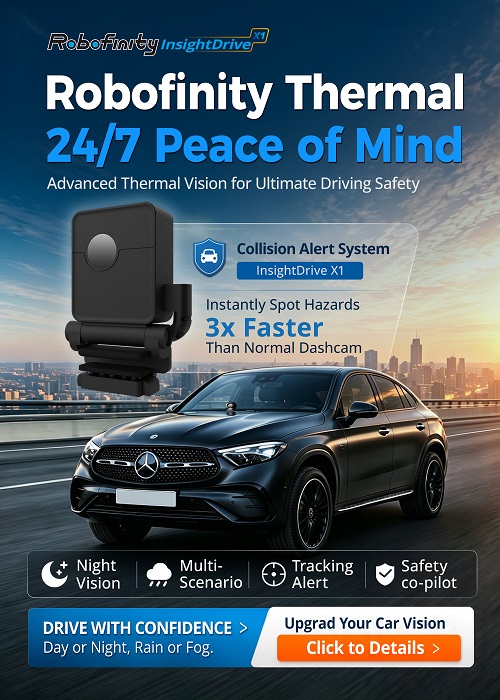


Aftermarket Thermal Night Vision: Best Must-Have Vehicle Upgrade
Aftermarket thermal night vision is quickly becoming one of the smartest upgrades drivers can add to a modern vehicle. While many people focus on performance parts, infotainment systems, or cosmetic accessories, visibility and safety remain far more important. Driving at night, in fog, rain, or poorly lit rural areas can be stressful and dangerous. That is where thermal imaging technology offers a major advantage, helping drivers detect people, animals, and obstacles that may be difficult—or impossible—to see with standard headlights alone.
- What Is Thermal Night Vision for Vehicles?
- Why Aftermarket Thermal Night Vision Is a Must-Have Upgrade
- Key Benefits of Installing a Thermal Imaging System
- Improved Nighttime Awareness
- Better Detection of Pedestrians and Animals
- Extra Confidence in Poor Conditions
- Useful for Work and Recreation
- Who Should Consider This Upgrade?
- What to Look for in Aftermarket Thermal Night Vision
- Resolution and Image Quality
- Detection Range
- Display Integration
- Durability and Weather Resistance
- Installation Requirements
- Installation Tips and Considerations
- Is It Worth the Investment?
- Final Thoughts
As more drivers prioritize safety and advanced technology, thermal night vision systems are moving beyond luxury vehicles and specialized fleets. Today, aftermarket options make this innovation available to a much wider audience. Whether you regularly drive on dark country roads, commute in unpredictable weather, or simply want an extra layer of awareness, this upgrade deserves serious attention.
What Is Thermal Night Vision for Vehicles?
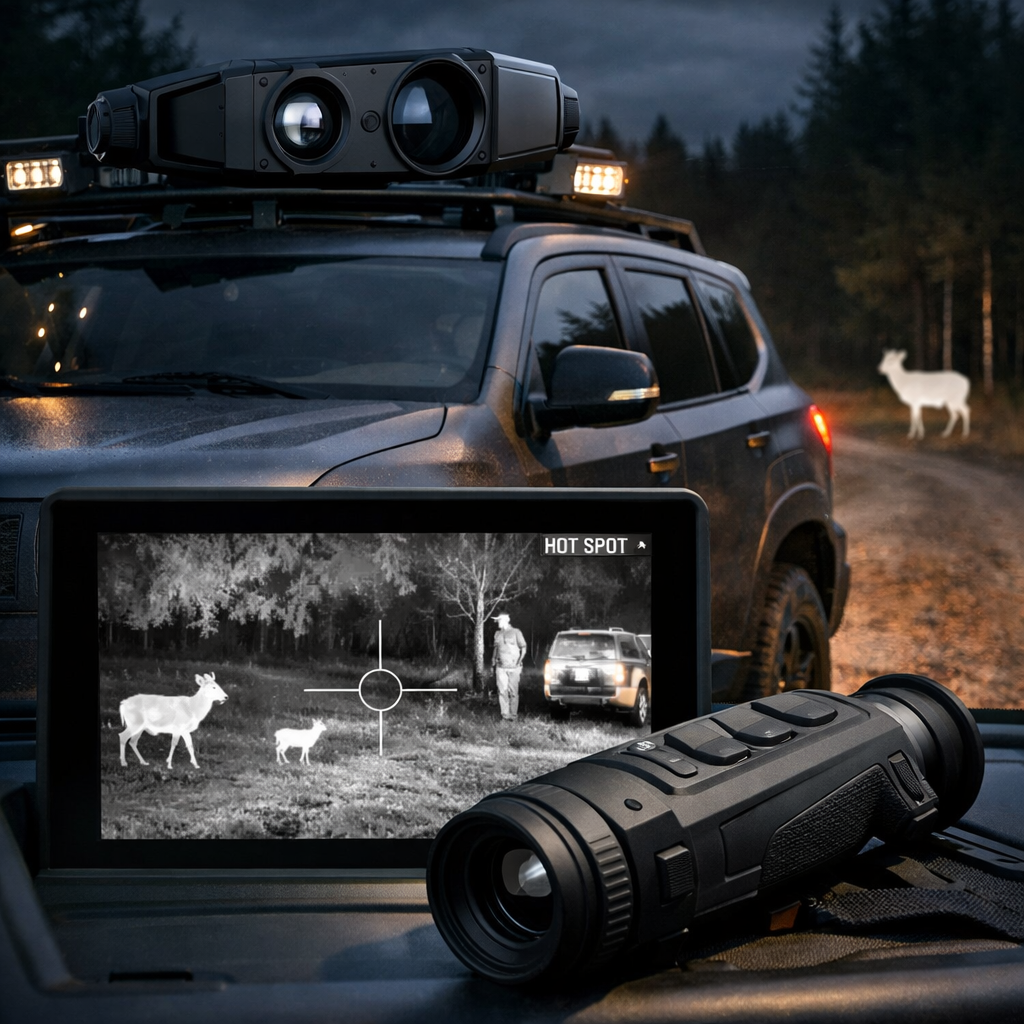
Thermal night vision systems use infrared imaging to detect heat signatures rather than relying only on visible light. Instead of simply brightening a dark road, the system identifies objects based on temperature differences. Humans, animals, and running vehicles often stand out clearly against cooler backgrounds, making them easier to detect in low-light conditions.
This differs from traditional night vision systems that amplify available light. Thermal imaging works even in complete darkness and can remain effective in situations where headlights and streetlights do little to improve visibility. In many cases, it can also help in light fog, smoke, or rain, where the human eye struggles.
Most aftermarket systems include a forward-facing thermal camera, a display screen or app interface, and sometimes integration features for alerts or recording. Depending on the setup, the camera feed may appear on a dedicated dashboard monitor, a rearview mirror display, or the vehicle’s infotainment screen.
Why Aftermarket Thermal Night Vision Is a Must-Have Upgrade
There are plenty of vehicle upgrades that add convenience, but few can improve real-world safety like aftermarket thermal night vision. The biggest benefit is earlier hazard detection. A deer crossing the road, a pedestrian walking near the shoulder, or a stalled vehicle ahead may appear on a thermal display before they become visible in your headlights.
More EV News
This added reaction time can make a meaningful difference. Even a few extra seconds can help a driver slow down, change lanes safely, or avoid a collision. For people who often drive in remote areas, this can be especially valuable during dusk and nighttime hours when wildlife activity is high.
Another reason this upgrade stands out is its versatility. It is useful for:
– Rural road driving
– Commercial fleet safety
– Off-road travel
– Nighttime towing
– Security-focused vehicle setups
– Drivers in areas with frequent fog or poor lighting
Unlike purely aesthetic modifications, thermal night vision provides a practical return every time you get behind the wheel after dark.
Key Benefits of Installing a Thermal Imaging System
Improved Nighttime Awareness
The most obvious benefit is enhanced visibility beyond what headlights can reveal. Thermal systems can identify warm objects at greater distances, helping drivers notice risks sooner.
Better Detection of Pedestrians and Animals
Pedestrians wearing dark clothing and animals on unlit roads can be very difficult to see at night. Thermal imaging helps these hazards stand out more clearly, reducing the chance of sudden surprises.
Extra Confidence in Poor Conditions
Rain, fog, shadows, and glare from oncoming traffic can make nighttime driving more challenging. While no system is perfect in every condition, thermal imaging can provide a valuable supplementary view when natural visibility is reduced.
Useful for Work and Recreation
This technology is not just for daily commuting. Truck owners, overlanders, RV travelers, and commercial operators can all benefit from a better view of their surroundings in low-light environments.
Who Should Consider This Upgrade?
Aftermarket thermal night vision is ideal for more drivers than many people realize. It is especially useful if you:
– Frequently drive at night
– Travel through wooded or rural areas
– Encounter deer or livestock near roads
– Operate a fleet or work vehicle
– Enjoy off-roading or overlanding
– Want advanced safety technology without buying a luxury vehicle
If any of these apply to your driving habits, thermal imaging may be one of the most practical upgrades available. It adds a level of awareness that standard lighting and cameras simply cannot match on their own.
What to Look for in Aftermarket Thermal Night Vision
Not all systems offer the same level of performance, so it is important to compare features carefully before buying. Here are some of the most important things to evaluate:
Resolution and Image Quality
A higher-resolution thermal camera will provide a clearer and more useful image. Better image quality helps drivers identify whether they are seeing a person, an animal, or another heat source.
Detection Range
Range matters, especially for highway or rural driving. A system with longer detection distance gives you more time to react to hazards ahead.
Display Integration
Some products use standalone monitors, while others can connect to factory screens or mobile devices. Choose a setup that fits your vehicle and offers easy visibility without becoming distracting.
Durability and Weather Resistance
Exterior-mounted cameras need to handle rain, dust, vibration, and temperature extremes. Look for systems designed specifically for automotive use.
Installation Requirements
Some kits are simple and universal, while others may need professional installation. It is worth checking wiring, mounting needs, and compatibility before making a purchase.
Installation Tips and Considerations
A well-installed system is essential for good performance. The camera should be mounted securely with a clear forward-facing view, free from obstruction by grilles, bumpers, or accessories. Proper alignment is also important to ensure the image reflects the road accurately.
Professional installation may be the best option for drivers who want seamless display integration or hardwired power connections. While some DIY-friendly kits exist, incorrect placement or poor wiring can reduce reliability.
It is also important to remember that thermal night vision is a driver aid, not a replacement for attentive driving. It should complement safe driving habits, not encourage overconfidence.
Is It Worth the Investment?
For many drivers, the answer is yes. While aftermarket thermal night vision is not the cheapest upgrade, its value goes beyond convenience or style. It adds another layer of perception in situations where ordinary vision is limited. That can be incredibly important when driving at speed, navigating isolated roads, or watching for wildlife and pedestrians.
Compared with the cost of an accident, vehicle damage, or injury, a quality thermal imaging system can be a worthwhile investment. It is particularly compelling for those who spend significant time on the road after dark.
Final Thoughts
Advanced safety technology is no longer reserved for high-end vehicles. Aftermarket thermal night vision gives everyday drivers access to a feature that can genuinely improve awareness and response time in difficult conditions. It is practical, innovative, and increasingly relevant for modern driving.
For anyone looking to invest in a vehicle upgrade that goes beyond appearance and delivers meaningful function, thermal imaging stands out as one of the best options available. In a market full of accessories that promise more than they deliver, this is one upgrade that can make a real difference where it matters most: on the road.