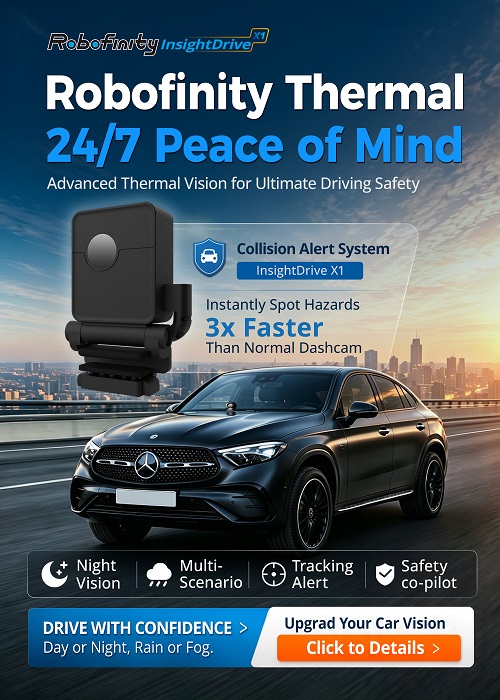


Car Thermal Camera Fog: Must-Have Solution for Safer Driving
Driving in poor visibility is one of the most stressful and dangerous situations any motorist can face. Thick fog, heavy rain, darkness, and road spray can reduce reaction time and make it difficult to spot hazards until it is too late. That is why interest in car thermal camera fog technology has grown so quickly. Designed to help drivers detect people, animals, vehicles, and obstacles beyond the reach of standard headlights, thermal imaging offers a powerful layer of safety when visibility drops. As more drivers look for advanced safety features, this technology is becoming an increasingly practical solution for both everyday travel and long-distance driving.
- Why Visibility Becomes So Dangerous in Fog
- How Thermal Camera Technology Works in Vehicles
- Benefits of Using Thermal Imaging in Low-Visibility Driving
- Why Traditional Safety Systems Are Not Always Enough
- Key Drivers for Growing Adoption
- Rising Demand for Advanced Safety
- Stronger Focus on Pedestrian and Animal Detection
- Integration With Smarter Vehicles
- What Drivers Should Consider Before Choosing a System
- The Future of Safer Driving in Harsh Weather
- Conclusion
Why Visibility Becomes So Dangerous in Fog
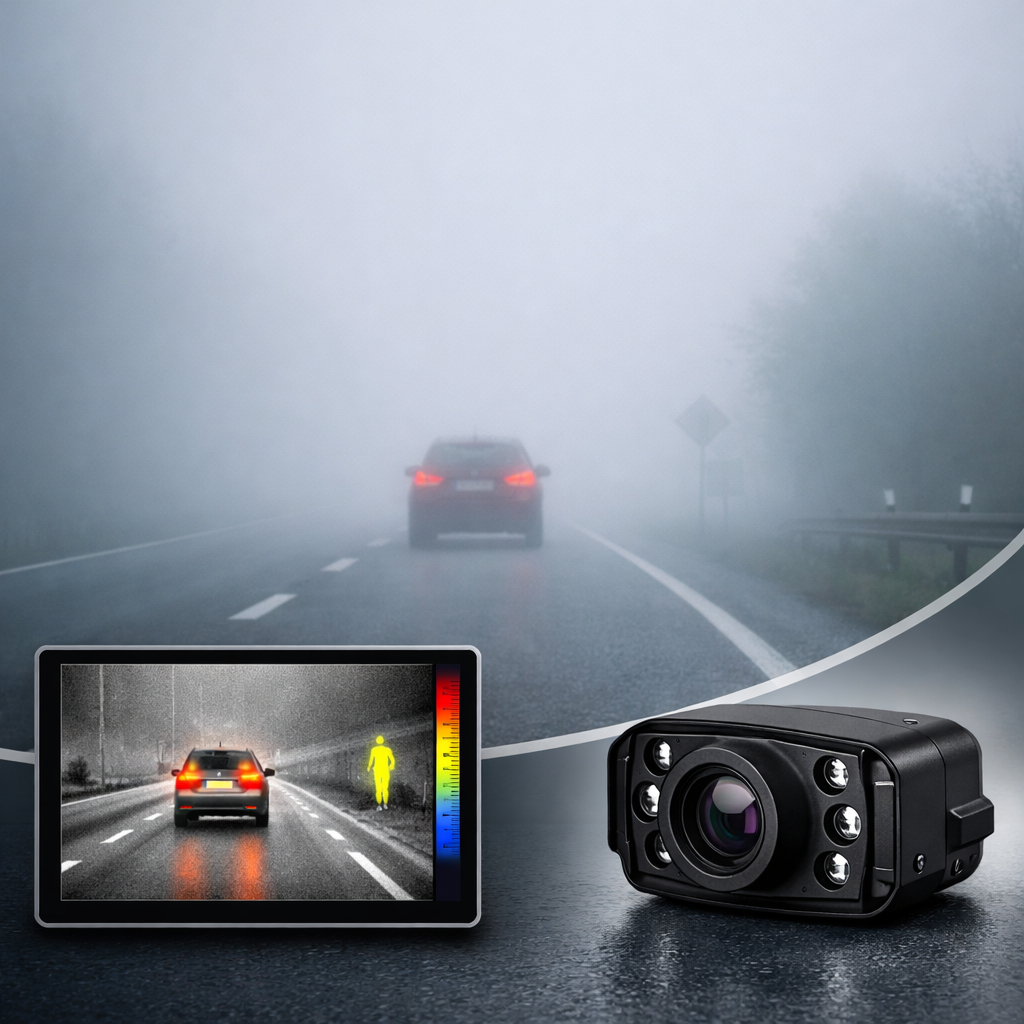
Fog creates a unique challenge on the road because it scatters visible light. Traditional headlights, especially high beams, can actually make the problem worse by reflecting light back toward the driver. Even experienced motorists can struggle to judge distance, speed, and road position when the environment is covered in dense mist.
In these conditions, human eyesight and conventional cameras have clear limitations. Standard vehicle cameras depend on visible light, which means they can lose effectiveness in poor weather or at night. This is where thermal imaging stands apart. Instead of relying on visible light, thermal systems detect heat signatures. That difference allows them to reveal objects that might otherwise remain hidden in low-visibility conditions.
How Thermal Camera Technology Works in Vehicles
A thermal camera detects infrared radiation emitted by people, animals, engines, and other warm objects. The system then converts that heat data into a visual image displayed to the driver or processed by the vehicle’s safety software.
Detecting Heat Instead of Light
Unlike ordinary cameras, thermal imaging does not need headlights or streetlights to create a usable picture. It works by sensing temperature differences between objects and their surroundings. For example, a pedestrian standing near a roadside on a foggy night may be nearly invisible to the human eye, but clearly outlined in a thermal display.
Supporting Driver Awareness
Many modern systems are designed to alert drivers when they detect potential hazards ahead. Some can identify pedestrians or large animals and provide warnings before the object enters the driver’s direct field of vision. This extra time can be critical when traveling at highway speeds.
More EV News
Benefits of Using Thermal Imaging in Low-Visibility Driving
Thermal imaging adds value far beyond simple convenience. It can significantly improve road awareness during some of the most dangerous driving conditions.
Better Hazard Detection
One of the biggest advantages of car thermal camera fog applications is the ability to identify hazards hidden by weather conditions. This includes pedestrians crossing dark roads, wildlife near the shoulder, stalled vehicles, and even cyclists without strong reflective gear.
Improved Night Driving
Night driving is already more hazardous than daytime driving, and fog amplifies those risks. Thermal cameras help extend a driver’s awareness beyond what headlights illuminate. This can reduce the chance of late braking and panic maneuvers.
Extra Confidence in Rural and Highway Conditions
Drivers on rural roads often face limited lighting, unpredictable wildlife movement, and changing weather. High-speed highways can also become dangerous in sudden fog banks. Thermal imaging helps fill the gap when visibility changes faster than the driver can adapt.
Why Traditional Safety Systems Are Not Always Enough
Today’s vehicles often include lane departure warnings, automatic emergency braking, blind spot monitoring, and standard cameras. These features are valuable, but many still depend on clear visual input. Fog can interfere with sensors and reduce the performance of visible-light cameras.
Headlights Have Natural Limits
Even advanced LED and adaptive headlights cannot fully solve the problem of dense fog. They may improve illumination, but they still operate within the limits of visible light.
Standard Cameras Struggle in Harsh Conditions
Rearview and surround-view cameras are useful for parking and close-range awareness, but they are not designed to see through challenging atmospheric conditions. Thermal systems serve a different purpose by helping detect heat-emitting objects at greater distances.
Key Drivers for Growing Adoption
Thermal imaging was once associated mostly with military use, emergency services, or luxury vehicles. That is changing as technology becomes more compact and affordable.
Rising Demand for Advanced Safety
Consumers increasingly want features that actively reduce driving risk. As awareness grows around the benefits of thermal visibility support, more manufacturers and aftermarket providers are exploring these systems.
Stronger Focus on Pedestrian and Animal Detection
Accidents involving pedestrians and wildlife remain a serious concern, especially at night. Thermal systems are particularly effective in spotting living beings because of their distinct heat signatures.
Integration With Smarter Vehicles
Modern cars are becoming more connected and automated. Thermal cameras can complement driver-assistance systems by providing another stream of environmental data, especially when traditional visual systems are less reliable.
What Drivers Should Consider Before Choosing a System
Not every thermal camera system offers the same level of performance, so it is important to evaluate options carefully.
Image Quality and Detection Range
A higher-quality thermal camera will generally provide sharper images and better contrast, making hazards easier to identify. Detection range also matters, especially for highway driving where reaction time is critical.
Display and Alert Features
Some systems simply show a thermal image, while others include smart alerts that highlight pedestrians or animals. A well-designed interface can make the system easier and safer to use without distracting the driver.
Vehicle Compatibility
Drivers considering an aftermarket installation should confirm that the system is compatible with their vehicle’s electrical and dashboard setup. Professional installation is often the best choice for reliable performance.
The Future of Safer Driving in Harsh Weather
As roads become busier and driver expectations continue to evolve, technologies that improve awareness in difficult conditions will only become more important. Car thermal camera fog solutions represent a major step forward because they address one of the oldest challenges in driving: seeing clearly when the environment works against you.
Thermal imaging is not a replacement for cautious driving, reduced speed, or proper following distance. However, it can provide a valuable advantage when visibility is compromised and every second matters. For drivers who regularly travel at night, commute through fog-prone areas, or drive on rural roads, this technology can be a smart investment in safety.
Conclusion
Poor visibility remains a leading factor in many road accidents, particularly during foggy and dark conditions. Thermal imaging offers a practical and increasingly accessible way to improve hazard detection when traditional headlights and standard cameras fall short. By identifying heat signatures instead of relying only on visible light, these systems can help drivers spot danger earlier and respond more effectively.
For anyone looking to enhance road safety in challenging conditions, a thermal camera system is more than just a high-tech upgrade. It is a meaningful tool that supports better awareness, faster reactions, and greater peace of mind behind the wheel.