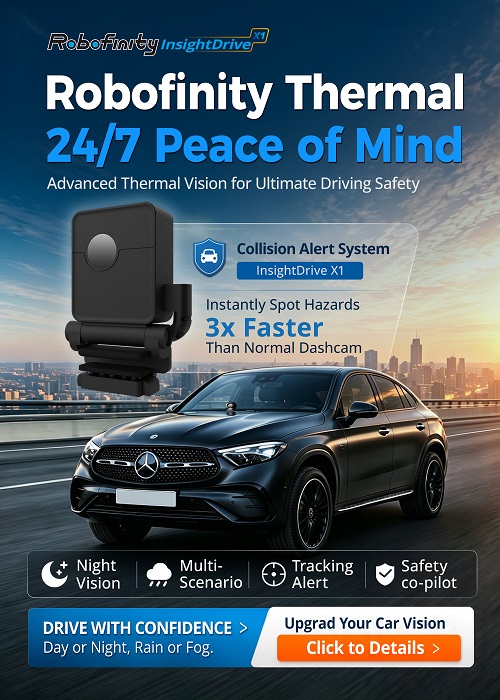


STG Thermal Night Vision for Vehicle use is quickly becoming one of the most practical upgrades for drivers who want better awareness after dark. Night driving has always carried added risks, from reduced visibility and glare to unexpected pedestrians, animals, and debris in the road. A thermal night vision system helps solve those problems by detecting heat signatures instead of relying only on visible light. That means it can reveal hazards before your headlights reach them, giving you more time to react and making nighttime travel safer and less stressful.
- What Makes Thermal Night Vision Different?
- Why STG Thermal Night Vision for Vehicle Is Gaining Attention
- Key Benefits of Thermal Night Vision on the Road
- Improved Detection of People and Animals
- Better Performance in Low Visibility
- Earlier Hazard Recognition
- Reduced Driver Fatigue
- More Confidence on Long Drives
- Better Awareness in Parking Areas
- How STG Thermal Night Vision for Vehicle Supports Everyday Driving
- Is It Really Affordable?
- What to Look for in a Thermal Night Vision System
- Real-World Safety Scenarios
- Installation and Ownership Considerations
- A Smart Upgrade for Safer Night Driving
For many drivers, the appeal of this technology is simple: it offers premium-level safety without the extreme price tag often associated with advanced driver-assistance systems. The result is a smart, affordable upgrade that can make a real difference in daily commuting, long-distance travel, fleet operations, and off-road driving. In practical terms, STG thermal night vision for vehicle owners want a tool that improves confidence without adding complexity. It is designed to help the driver notice risks sooner, not to replace attention or safe habits.
- What Makes Thermal Night Vision Different?
- Why STG Thermal Night Vision for Vehicle Is Gaining Attention
- Key Benefits of Thermal Night Vision on the Road
- How STG Thermal Night Vision for Vehicle Supports Everyday Driving
- Is It Really Affordable?
- What to Look for in a Thermal Night Vision System
- Real-World Safety Scenarios
- Installation and Ownership Considerations
- A Smart Upgrade for Safer Night Driving
What Makes Thermal Night Vision Different?
Traditional headlights illuminate what is directly in front of the vehicle, but they cannot see around corners, through darkness, or beyond the limits of reflected light. Camera-based low-light systems improve visibility somewhat, but they still depend on ambient lighting and can struggle in fog, rain, or complete darkness.
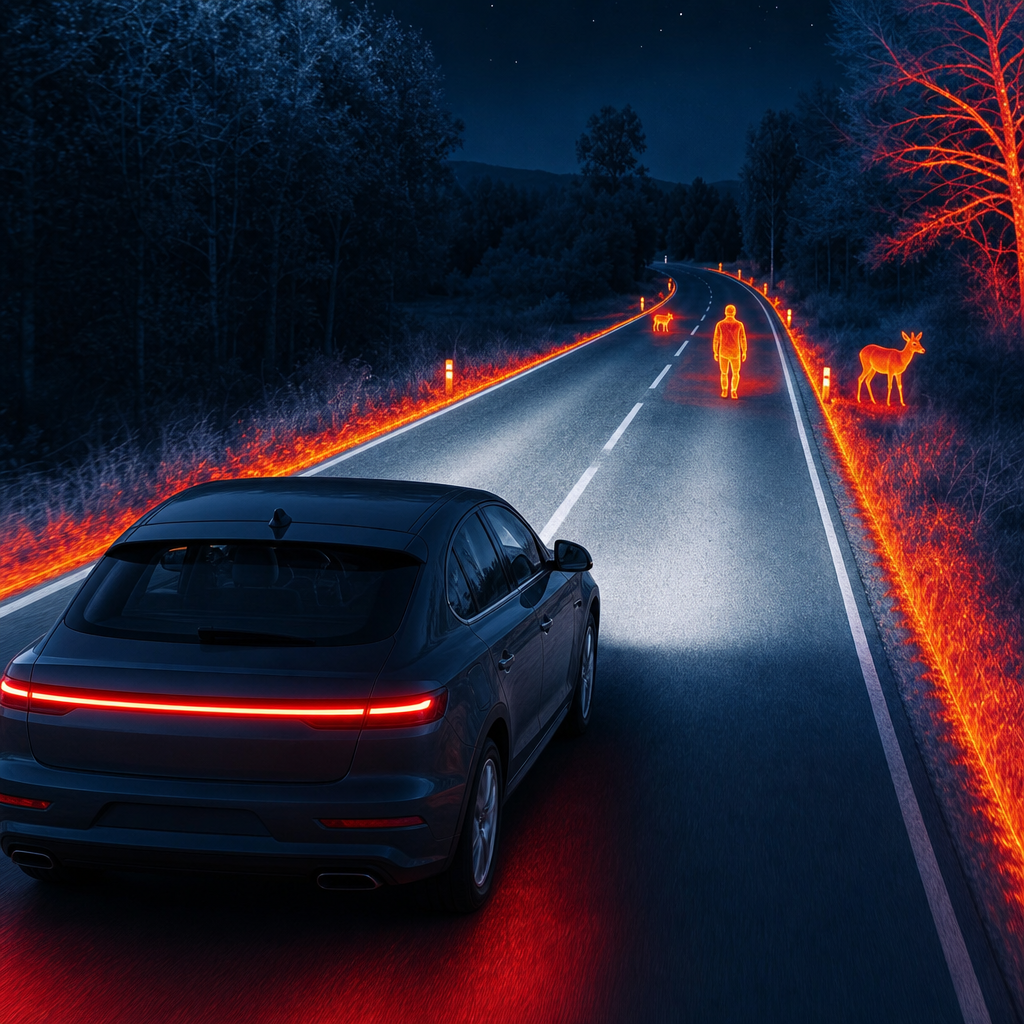
Thermal imaging works differently. It detects heat emitted by people, animals, engines, and other warm objects. Because heat signatures stand out from cooler backgrounds, the system can identify potential hazards even when visibility is poor. This makes thermal imaging especially useful in situations where standard lighting falls short.
The advantage is not just seeing more—it is seeing earlier. Spotting a pedestrian crossing the road, a deer near the shoulder, or a stalled vehicle ahead can give you valuable extra seconds to slow down or change lanes. That extra time is exactly why STG thermal night vision for vehicle applications are attracting more attention among everyday drivers.
To understand the broader landscape of thermal safety tools, it helps to compare the technology with other vehicle upgrades. A standard camera can capture a lane marker, but it may not clearly reveal a person in dark clothing. A thermal system can do more in difficult conditions because it is not limited by visible light alone.
For readers who want a broader overview of thermal systems, the automotive thermal night vision best must-have car safety system guide explains how these upgrades fit into modern driving safety.
Why STG Thermal Night Vision for Vehicle Is Gaining Attention
The growing interest in STG thermal night vision for vehicle use comes from its balance of performance and affordability. Drivers want modern safety tools, but not every upgrade needs to be expensive or complicated. This system is attractive because it brings thermal detection into reach for everyday motorists rather than limiting it to luxury vehicles or specialized fleets.
Another reason for its popularity is versatility. Whether you drive a family SUV, pickup truck, commercial van, or off-road vehicle, thermal night vision can help improve situational awareness in a wide range of conditions. Rural drivers benefit from earlier animal detection, city drivers benefit from better hazard recognition in dim streets, and truck drivers benefit from improved nighttime road scanning during long hauls.
In short, it is a useful upgrade for almost anyone who spends time on the road after sunset. For readers comparing options, the best affordable night driving upgrade can also help frame the value of this technology.
There is also a practical appeal for people who already care about vehicle safety. Once a driver sees how thermal imaging highlights risks, the value becomes easy to understand. It is not about adding a flashy feature. It is about making hidden hazards visible sooner and making the whole driving experience less stressful.
Key Benefits of Thermal Night Vision on the Road
A thermal night vision system offers several real-world advantages that make it more than just a high-tech accessory. STG thermal night vision for vehicle owners often notice the difference first in situations where standard lighting gives them too little warning.
Improved Detection of People and Animals
One of the biggest safety benefits is the ability to detect pedestrians and wildlife at longer distances. People wearing dark clothing can be hard to see at night, and animals can appear suddenly at the edge of the road. Thermal imaging helps highlight these heat-emitting objects before they blend into the background.
Better Performance in Low Visibility
Fog, light rain, smoke, and darkness can all reduce what your eyes and headlights can see. Thermal imaging can remain effective in many of these conditions because it does not depend on visible light in the same way conventional cameras do. For drivers dealing with thick fog, this safer driving guide for fog explains why thermal detection can be so useful.
Earlier Hazard Recognition
The extra reaction time provided by thermal imaging can be critical. If the system helps you identify a hazard even a few seconds earlier, that can mean a safer stop, a smoother lane change, or avoiding a collision altogether. In real driving, that margin can matter more than most people expect.
Reduced Driver Fatigue
Night driving often requires intense concentration. Constantly scanning the road for unexpected movement can become tiring over long periods. A thermal night vision system can ease that mental load by making hazards easier to notice.
More Confidence on Long Drives
Confidence matters when visibility drops. A clearer picture of the road ahead helps drivers stay calmer and make better decisions. That is one reason STG thermal night vision for vehicle setups continue to attract attention from commuters and long-distance travelers alike.
Better Awareness in Parking Areas
Low-light parking lots, loading zones, and driveways can create uncertainty after dark. Thermal imaging can make it easier to spot people moving between vehicles or near blind spots. This added awareness can be especially useful for families, delivery drivers, and anyone arriving home late.
In practical terms, these benefits work together. Improved contrast helps you see more clearly. Earlier detection gives you more time to respond. Reduced fatigue helps you stay focused longer. As a result, the system supports safer decisions in a wide range of real-world driving conditions.
How STG Thermal Night Vision for Vehicle Supports Everyday Driving
While some people assume thermal vision is only for off-road adventures or high-end vehicles, it has many practical uses in daily life. Parents driving home late at night may appreciate the extra visibility in residential areas with poor lighting. Commuters can feel more confident on highways where animals or debris may appear unexpectedly. Delivery drivers and fleet operators can use it to improve safety during nighttime routes.
For rural or suburban areas, the system can be especially valuable. Deer, stray animals, and pedestrians walking without reflective gear are all common nighttime risks. In those environments, thermal detection is not just convenient—it can be an important safety tool.
Drivers who want to understand the broader technology behind this upgrade can also review the best affordable night driving upgrade approach used in similar systems. That comparison makes it easier to see how thermal imaging fits into modern driving habits.
Everyday driving also includes routine choices like merging, lane changes, and adjusting speed when traffic becomes unpredictable. Thermal detection can support those decisions by showing movement earlier and more clearly. Even when the road seems quiet, hidden risk can still be present. A system like this helps reduce that uncertainty.
For drivers who make the same route every night, the benefits can feel even stronger over time. Familiar roads can still change because of weather, construction, animals, or pedestrians. A thermal view adds another layer of awareness when the ordinary road suddenly becomes less predictable.
STG Thermal Night Vision for Vehicle use also fits well with modern commuting habits. Many drivers now spend more time on the road in low light because of shift work, evening errands, and late pickups. A system that improves awareness during those hours can provide value every week, not just during rare trips.
Is It Really Affordable?
One of the biggest concerns people have about thermal imaging is cost. In the past, such systems were expensive and reserved for specialized applications. Today, however, more accessible technology has brought prices down, making it possible to get meaningful safety benefits without paying luxury-level amounts.
The word “affordable” matters because it changes the conversation from “Can I justify a costly upgrade?” to “Can I add a practical safety enhancement at a reasonable price?” For many drivers, the answer is yes. When compared with the potential cost of an accident, a thermal night vision investment can be easy to justify.
It is also worth considering long-term value. A system that helps prevent one collision, one animal strike, or one close call may pay for itself many times over. For broader background on vehicle safety trends, the National Highway Traffic Safety Administration is a helpful reference.
Affordability should also be measured by daily usefulness. If a product only sounds impressive but never changes how you drive, it is not truly valuable. By contrast, a thermal system that helps you spot hazards sooner delivers ongoing benefits every time you travel after dark. That repeat value is why STG thermal night vision for vehicle shoppers often view it as a safety upgrade rather than a luxury add-on.
In many cases, the cost question becomes easier once drivers think about what the system can help avoid. One prevented crash or wildlife strike can save repair costs, downtime, and stress. That makes the upgrade easier to view as a smart investment instead of an optional gadget.
What to Look for in a Thermal Night Vision System
Not every thermal system is identical, so it helps to know what features matter most before choosing one.
Image Clarity
A good system should provide clear thermal contrast so objects stand out well against the background. Better clarity makes it easier to interpret what you are seeing quickly.
Detection Range
Longer detection range means more time to respond. This is especially important for highway driving and rural roads where hazards can appear at a distance.
Display Quality
The display should be easy to read without distracting the driver. A clean, well-positioned screen or integrated interface helps keep attention on the road.
Durability
Vehicle electronics need to stand up to vibration, temperature changes, and everyday use. A reliable system should be built for real driving conditions.
Ease of Installation
An easy installation process can make the upgrade more appealing and less time-consuming. Many drivers prefer systems that fit cleanly into their existing setup without requiring major modifications.
Practical Integration
The best systems work with the way you actually drive. That means simple controls, a readable display, and a layout that supports quick decision-making without pulling your attention away from the road.
It also helps to think about how the system fits your vehicle type. A family SUV may need a different mounting approach than a work truck. Likewise, a fleet vehicle may need a solution that can handle repeated use without requiring constant adjustment. Choosing the right setup makes the upgrade more useful from day one.
If you are comparing different technologies, it can help to look at how they handle weather and visibility. For example, passive thermal night vision and other thermal-based options focus on heat detection, which can make them more dependable in dark or hazy conditions than ordinary camera systems.
Real-World Safety Scenarios
To understand the value of this technology, it helps to imagine a few common driving situations.
A deer steps onto a dark road just beyond the reach of your headlights. Thermal imaging can show the animal sooner, giving you time to slow down.
A pedestrian in dark clothing crosses a poorly lit parking lot. A thermal system can make that person stand out more clearly than the naked eye might in the same conditions.
A vehicle has pulled over on the shoulder with limited lighting. Heat signatures can help you notice it earlier and avoid drifting too close.
These are the kinds of situations where extra visibility matters most. Small improvements in awareness can lead to major improvements in safety.
STG Thermal Night Vision for Vehicle setups are especially helpful when those moments happen without warning. The extra seconds they provide can make a real difference.
It is also worth noting that many nighttime hazards appear ordinary until they become urgent. A person walking near a curb may not seem risky at first. However, if that person steps into the road, the situation changes quickly. Thermal imaging helps reduce the chance of missing that shift in time.
On highways, the same advantage applies to debris, stalled vehicles, and animals near the edge of the lane. In parking lots, it can help reveal movement that might otherwise blend into shadows. The more often you drive at night, the more valuable those extra clues become.
Installation and Ownership Considerations
Before buying any thermal upgrade, drivers should think beyond the initial purchase price. Installation, placement, and everyday usability all affect whether the system feels helpful or distracting.
First, consider where the display will sit in the cabin. The ideal position gives the driver a clear view without forcing them to look away from the road for too long. A bad placement can reduce the system’s usefulness even if the thermal image itself is excellent.
Second, think about power and wiring. A neat installation usually leads to a better experience and fewer issues later. If the system is easy to live with, drivers are more likely to use it consistently.
Third, keep maintenance in mind. A thermal camera lens should stay clean, especially in dusty or wet conditions. That simple habit helps preserve image quality and keeps the system ready when you need it most.
Finally, remember that a thermal upgrade works best as part of a broader safety mindset. Safe speed, attentive driving, and regular vehicle maintenance still matter. Thermal imaging adds support, but it does not replace the driver’s responsibility to stay alert.
For drivers exploring broader thermal options, the FLIR thermal camera automotive ADAS upgrade article provides another useful perspective on how these systems support safer driving.
It can also help to compare your driving environment before choosing a system. City drivers may prioritize display clarity and quick recognition in tight spaces. Rural drivers may care more about range and early detection. Fleet managers may focus on durability and consistent performance across long shifts.
A Smart Upgrade for Safer Night Driving
STG Thermal Night Vision for Vehicle use stands out because it combines advanced detection with practical value. It helps drivers see more, react sooner, and drive with greater confidence in darkness or poor visibility. For anyone who regularly travels after sunset, the upgrade offers a meaningful blend of safety, convenience, and affordability.
As roads become busier and driving conditions remain unpredictable, technologies that reduce risk are becoming more important than ever. Thermal night vision is not just a futuristic feature—it is a useful tool that can make everyday driving safer right now. For drivers looking to improve nighttime awareness without overspending, it is one of the most compelling upgrades available.
In the end, the best driving upgrades are the ones that earn their place every day. This one does exactly that by helping you spot danger sooner and drive with more peace of mind. STG thermal night vision for vehicle buyers are looking for a practical edge, and this technology delivers that edge in a way that feels immediate and useful.
If you drive often at night, the right thermal system can become one of the most valuable tools in your vehicle. It helps turn uncertainty into awareness and supports safer decisions in real time. Over time, that added awareness can make every nighttime trip feel calmer and more controlled.