

Automobile Information

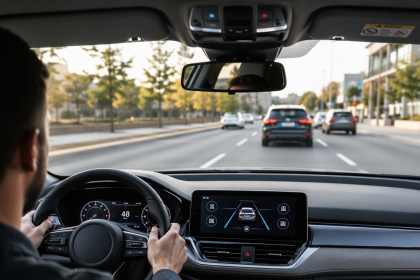
Smart Car Safety Features Every Driver Should Know
Learn the smart car safety features every driver should know, from driver-assistance basics to practical…
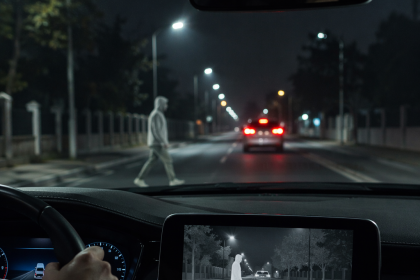
Autonomous vehicle thermal imaging: Why Future Vehicles Need It
Autonomous vehicle thermal imaging helps self-driving systems detect people, animals, and obstacles in low-light conditions,…
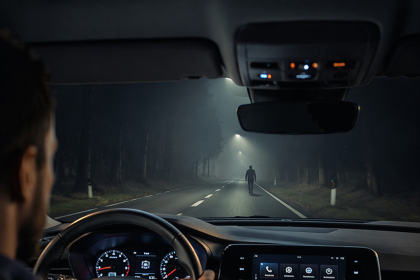
Thermal Imaging Safety: How It Improves Driver Assistance for Safer Night Driving
Thermal imaging safety helps driver-assistance systems detect people and obstacles in low visibility, improving awareness…
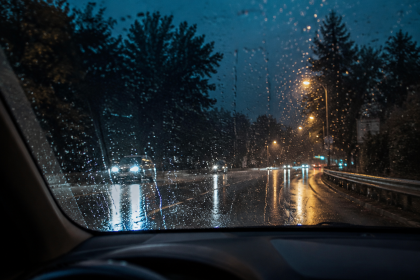
Car Night Vision Systems in Rain: What Drivers Should Know
Car night vision in rain can improve visibility, but performance depends on the system and…
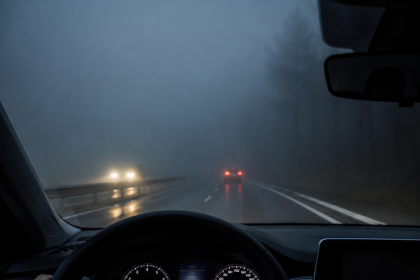
Thermal Cameras: How They Perform in Low Visibility Conditions
Thermal cameras improve awareness in darkness, fog, rain, and snow by highlighting heat signatures—but performance…
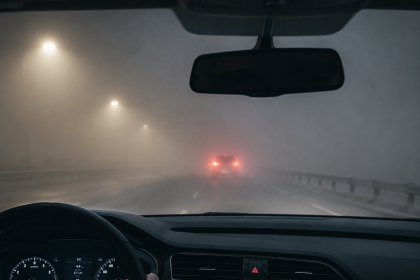
Car Night Vision Systems Work in Fog: What Drivers Should Expect
Car night vision systems work in fog—especially thermal imaging—supporting earlier awareness while still facing range…
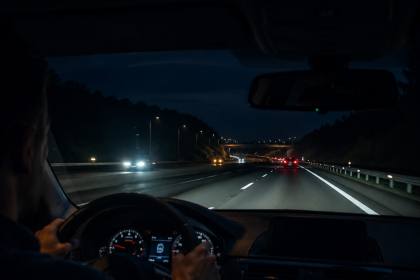
Night highway safety: How to Improve Safety When Driving on Highways at Night
night highway safety tips for staying alert, managing speed, and improving visibility on dark roads.
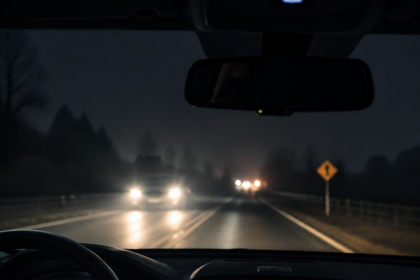
Nighttime Driving Risk: Why Night Driving Increases Accident Risk (and How to Reduce It)
Nighttime driving risk rises due to lower visibility, headlight glare, worse distance judgment, and fatigue—and…
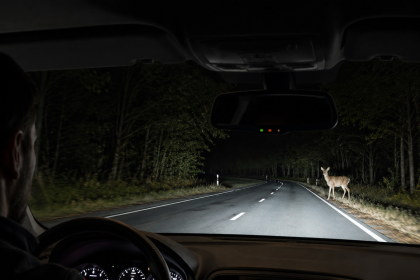
Car Night Vision System: What to Know Before Installing a System
Car night vision system: what to know before installing a system—compatibility, camera placement, display ergonomics,…
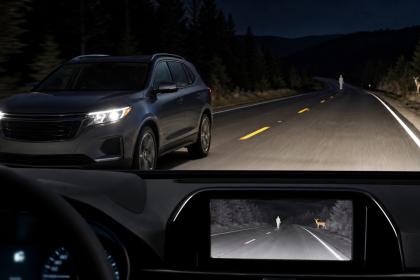
Thermal Night Vision Technology for Night Driving
Why night driving is harder to judge, and how thermal night vision technology can improve…