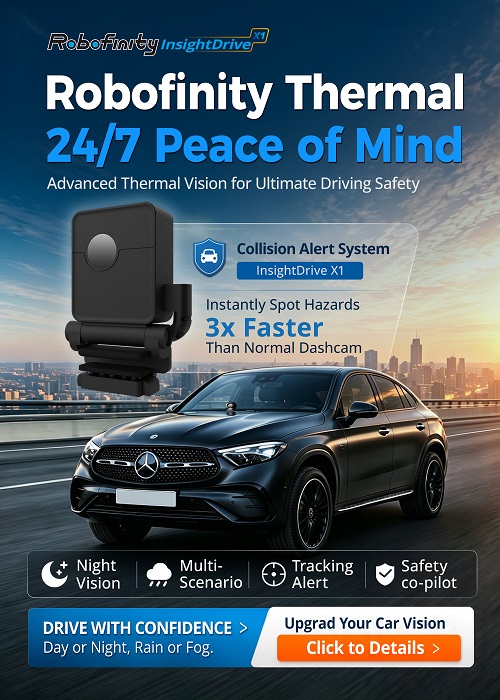


Off-Road Thermal Night Vision: Best Must-Have System for Driving
Off-road thermal night vision is quickly becoming one of the most valuable upgrades for drivers who venture beyond paved roads after dark. Whether you enjoy overlanding, trail riding, ranch work, hunting access routes, or remote backcountry travel, visibility can make the difference between a smooth trip and a dangerous situation. Standard headlights and auxiliary light bars help, but they still depend on line-of-sight illumination. Thermal technology offers something different: the ability to detect heat signatures from people, animals, and even recently active machinery in low-light or no-light environments.
- Why Visibility Matters on the Trail
- What Is Off-Road Thermal Night Vision?
- Key Benefits of Off-Road Thermal Night Vision
- Earlier Hazard Detection
- Improved Safety in Poor Conditions
- Better Confidence in Remote Areas
- Valuable for Work and Recreation
- Features to Look for in an Off-Road Thermal Night Vision System
- Resolution and Image Quality
- Detection Range
- Refresh Rate
- Rugged Weatherproof Design
- Screen Integration
- Field of View
- Who Should Consider Off-Road Thermal Night Vision?
- How Off-Road Thermal Night Vision Complements Traditional Lighting
- Installation and Use Tips
- Is It Worth the Investment?
- Final Thoughts
As more drivers look for advanced safety equipment, thermal night vision systems are moving from military-inspired specialty gear to practical off-road tools. They are no longer just for high-budget builds. Today, many systems are designed specifically for trucks, SUVs, UTVs, and expedition vehicles, making them more accessible than ever.
Why Visibility Matters on the Trail
Night driving off-road presents challenges that road drivers rarely face. Trails can change without warning. Washouts, rocks, hidden branches, wildlife, fences, and stranded vehicles may appear suddenly. Dust, fog, and uneven terrain can also reduce the effectiveness of traditional lights.
Unlike normal cameras, thermal devices read heat instead of visible light. That means they can highlight living beings and warm objects even when the path ahead looks completely black to the human eye. This extra layer of awareness can help drivers react earlier and make smarter route decisions.
For anyone driving in remote areas, that added reaction time is a major advantage. It can help prevent collisions with deer, livestock, or smaller animals and may even assist in spotting another person who needs help.
What Is Off-Road Thermal Night Vision?
Off-road thermal night vision refers to vehicle-mounted systems that use thermal imaging sensors to detect differences in temperature. These systems display a live image on a screen in the cab, often showing warmer objects as bright shapes against cooler surroundings.
In practical terms, this means a driver may be able to notice:
More EV News

– Wildlife near or crossing the trail
– Pedestrians or other riders in darkness
– Vehicles hidden behind brush or dust
– Warm engine components or recently used equipment
– Obstacles that are difficult to see with headlights alone
Some systems are integrated into dashboard displays, while others use standalone monitors or mobile device support. Higher-end models may include object recognition, digital zoom, recording functions, and wide-angle viewing.
Key Benefits of Off-Road Thermal Night Vision
Earlier Hazard Detection
One of the biggest reasons drivers invest in thermal imaging is to spot danger sooner. Animals often move unpredictably at night, especially in rural and backcountry environments. A thermal system can reveal them before they fully enter your light pattern.
Improved Safety in Poor Conditions
Fog, smoke, dust, and darkness can make normal lighting less useful. While thermal imaging is not perfect in every condition, it often performs better than standard visual systems when visibility is compromised.
Better Confidence in Remote Areas
Driving in isolated terrain can be stressful at night. Thermal assistance reduces uncertainty by helping you monitor what is happening farther ahead and off to the sides of the route.
Valuable for Work and Recreation
This technology is useful for more than adventure travel. Farmers, ranchers, land managers, search-and-rescue teams, and outdoor professionals can all benefit from thermal awareness in low-light settings.
Features to Look for in an Off-Road Thermal Night Vision System
Not all systems deliver the same performance. If you are shopping for a unit, it helps to focus on the features that matter most in real-world use.
Resolution and Image Quality
Higher resolution usually means clearer thermal images and better object definition. This can be important when identifying whether a heat signature is a person, animal, or vehicle.
Detection Range
Range determines how far away the camera can detect heat. For faster-moving vehicles, longer range can be especially valuable because it gives the driver more time to respond.
Refresh Rate
A higher refresh rate creates smoother motion on screen. That matters when driving over rough ground or tracking movement across the trail.
Rugged Weatherproof Design
Off-road equipment must endure vibration, mud, rain, dust, and impacts. Look for a system built for harsh conditions with reliable mounting hardware.
Screen Integration
Some drivers prefer a dedicated display, while others want integration with an existing infotainment or navigation setup. Ease of viewing is important because the system should support driving, not distract from it.
Field of View
A wider field of view can help monitor trail edges where wildlife or obstacles may appear. A narrower field may offer more detail at distance. The best choice depends on how and where you drive.
Who Should Consider Off-Road Thermal Night Vision?
This type of system is especially useful for:
– Overlanders who travel long distances after sunset
– Off-road enthusiasts navigating trails in remote terrain
– Hunters accessing property before dawn or after dark
– Ranchers monitoring land and livestock
– Utility and field workers operating in isolated areas
– Emergency or rescue teams needing low-light awareness
If nighttime driving is a regular part of your routine, thermal imaging can be more than a luxury. It can become a practical safety upgrade.
How Off-Road Thermal Night Vision Complements Traditional Lighting
It is important to understand that thermal imaging is not a replacement for headlights, fog lights, or light bars. Instead, it works alongside them. Traditional lighting allows you to see terrain detail, depth, and road texture. Thermal imaging helps identify heat-emitting objects that may not stand out visually.
The best setups combine both approaches. Lights illuminate the route, while thermal detection adds an extra layer of information. Together, they improve awareness without relying on one method alone.
Installation and Use Tips
To get the most value from a thermal system, proper placement matters. The camera should be mounted where it has a clear forward view and minimal obstruction from accessories like roof racks or brush guards. Wiring should be protected against water and abrasion, especially on vehicles used in severe environments.
Drivers should also spend time learning how to read the display. Thermal images can look unfamiliar at first. Practicing in safe, controlled settings helps build confidence and prevents distraction during real off-road travel.
Is It Worth the Investment?
For occasional casual use, a thermal system may seem like a premium add-on. But for drivers who regularly operate in darkness, remote terrain, or wildlife-heavy areas, the value becomes easier to justify. Preventing a single collision, avoiding an unseen obstacle, or locating a person in distress can outweigh the initial cost.
As off-road technology continues to evolve, thermal night vision is becoming one of the smartest upgrades available for serious drivers. It offers a meaningful combination of safety, awareness, and confidence that standard lighting alone cannot match.
Final Thoughts
When night falls on the trail, visibility becomes one of your most important assets. Off-road thermal night vision helps drivers see beyond the reach of headlights and identify potential hazards before they become immediate problems. For anyone who spends real time off the grid after dark, it stands out as a must-have system for safer, smarter driving.