

Car Thermal Imaging Camera: Must-Have Affordable Night Driving Safety
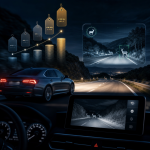
Car thermal imaging camera technology is quickly becoming one of the smartest upgrades drivers can add for safer travel after dark. While headlights, fog lights, and standard driver-assistance systems all help, they still depend heavily on visibility conditions. At night, in fog, rain, rural roads, or poorly lit areas, hazards can appear too late for a driver to react. A thermal imaging camera offers a practical solution by detecting heat signatures from people, animals, and even vehicles, helping drivers see what ordinary vision and traditional cameras may miss.
- Why Night Driving Is More Dangerous Than Most People Realize
- What Is a Car Thermal Imaging Camera?
- How a Car Thermal Imaging Camera Improves Safety
- Better Detection of Pedestrians
- Earlier Wildlife Awareness
- Improved Visibility in Poor Conditions
- Additional Driver Confidence
- Affordable Technology Is Changing the Market
- Features to Look for in a Car Thermal Imaging Camera
- Image Clarity and Detection Range
- Real-Time Display
- Easy Installation
- Alert Functions
- Durability and Weather Resistance
- Who Benefits Most From This Upgrade?
- Limitations to Understand
- Is a Car Thermal Imaging Camera Worth It?
Why Night Driving Is More Dangerous Than Most People Realize
Night driving creates challenges that many motorists underestimate. Even experienced drivers can struggle with reduced depth perception, shorter reaction time, glare from oncoming headlights, and limited roadside visibility. On dark roads, a pedestrian in dark clothing or an animal stepping onto the road can remain nearly invisible until the last second.
The danger increases in certain environments:
– Rural roads with little or no street lighting
– Highways with fast-moving traffic
– Areas with frequent wildlife crossings
– Rainy, foggy, or snowy conditions
– Urban zones with heavy visual distractions
Traditional headlights illuminate only part of the road ahead. Standard cameras also rely on visible light, which means they lose effectiveness when lighting conditions are poor. This is where thermal imaging stands out.
What Is a Car Thermal Imaging Camera?
A car thermal imaging camera is a device that detects infrared radiation, or heat, rather than relying solely on visible light. Every person, animal, and engine produces heat. Thermal cameras translate these heat signatures into an image that allows drivers to identify potential hazards beyond the reach of regular lighting.
Unlike a dash cam, which records what a normal camera lens can see, a thermal camera focuses on temperature differences in the environment. That means a person walking near the roadside, a deer hidden in low light, or a stalled vehicle with a warm engine may be easier to detect before it becomes an immediate threat.
More EV News
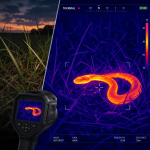
Many modern systems display the image on a screen inside the car, while some advanced setups integrate with driver alerts or smart displays.
How a Car Thermal Imaging Camera Improves Safety
The biggest reason drivers are turning to this technology is simple: earlier hazard detection. When drivers can identify a threat sooner, they gain more time to slow down, change lanes, or stop safely.
Here are some of the main safety benefits:
Better Detection of Pedestrians
Pedestrians are among the hardest obstacles to spot at night, especially when wearing dark clothes or walking outside marked areas. Thermal imaging highlights body heat, making people more visible in darkness.
Earlier Wildlife Awareness
Animals such as deer, elk, or stray dogs often enter roads suddenly. In many regions, animal-related collisions are a major cause of vehicle damage and serious injury. A thermal camera can detect wildlife near the roadside before headlights fully reveal them.
Improved Visibility in Poor Conditions
Fog, rain, and low-light conditions reduce the effectiveness of standard visual systems. While thermal cameras are not perfect in every environment, they can still provide a clearer awareness of warm objects when visibility drops.
Additional Driver Confidence
Drivers who often travel at night, commute early in the morning, or drive through remote areas benefit from added situational awareness. This can reduce stress and support quicker, more informed decisions behind the wheel.
Affordable Technology Is Changing the Market
In the past, thermal imaging in vehicles was seen mainly in military, industrial, or luxury automotive applications. It was expensive and out of reach for most everyday drivers. That has changed significantly.
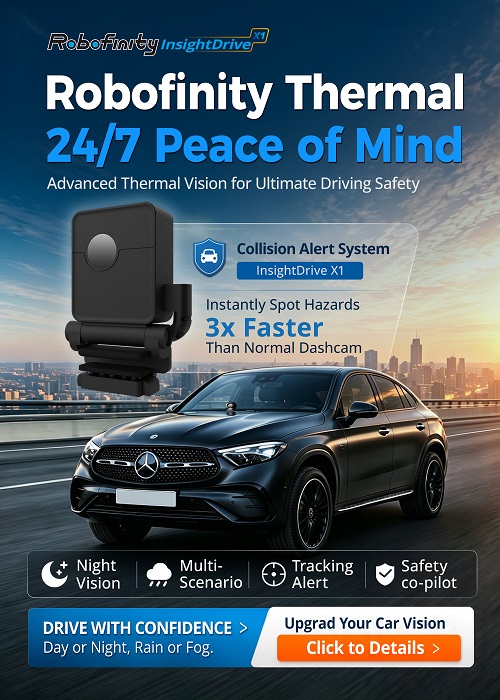
As sensor technology becomes more widely available, compact and affordable systems are entering the consumer market. Drivers no longer have to own a premium vehicle to gain access to thermal imaging support. There are now aftermarket options designed for personal cars, trucks, SUVs, and commercial vehicles.
This growing affordability makes the technology far more practical for:
– Rideshare drivers
– Delivery drivers
– Truck operators
– Families who take frequent road trips
– Rural residents
– Drivers in wildlife-prone regions
For many people, the cost of a thermal camera can be small compared to the financial and physical consequences of a nighttime collision.
Features to Look for in a Car Thermal Imaging Camera
Not all systems offer the same level of performance. If you are considering adding one to your vehicle, it helps to know what features matter most.
Image Clarity and Detection Range
A higher-quality sensor typically provides better detail and improved detection at longer distances. This matters because seeing a hazard earlier gives you more time to react.
Real-Time Display
The camera should deliver smooth, real-time visuals with minimal lag. Delays can reduce the practical safety benefit.
Easy Installation
Some systems are designed for quick mounting and simple screen integration, while others may require professional installation. Choose one that matches your comfort level and vehicle setup.
Alert Functions
Certain thermal systems include pedestrian or animal recognition alerts. These audio or visual warnings can be especially helpful when attention is divided.
Durability and Weather Resistance
Because the camera is mounted externally or near exposed areas of the vehicle, it should be built to handle rain, dust, road debris, and changing temperatures.
Who Benefits Most From This Upgrade?
A thermal imaging camera is not just for tech enthusiasts. It can be highly useful for any driver who regularly faces low-visibility situations.
Some of the people who benefit most include:
– Night-shift workers driving before dawn or late at night
– Long-distance drivers and truckers
– People living in areas with heavy wildlife activity
– Parents transporting children on dark roads
– Fleet owners looking to improve driver safety
– Emergency and service vehicle operators
Even occasional nighttime drivers may appreciate the added protection, especially during winter months when darkness comes earlier.
Limitations to Understand
Although thermal imaging is a valuable tool, it should not be viewed as a replacement for attentive driving. It works best as a support system rather than a substitute for headlights, mirrors, or driver awareness.
A few realistic limitations include:
– It may require some time to get used to reading the display
– Performance can vary by model and installation quality
– It does not eliminate the need for safe speed and proper braking distance
– Some objects without strong heat contrast may be less noticeable
Understanding these limits helps drivers use the technology more effectively and responsibly.
Is a Car Thermal Imaging Camera Worth It?
For many drivers, the answer is yes. A car thermal imaging camera provides a level of visibility that standard lighting and traditional cameras simply cannot match in certain conditions. As prices become more accessible, this once high-end feature is now emerging as a practical investment in road safety.
If you frequently drive at night, travel through rural areas, or want an extra layer of awareness on the road, thermal imaging is worth serious consideration. It can help identify threats earlier, support faster reaction times, and bring more confidence to every trip after sunset.
In a world where one unexpected obstacle can change everything in seconds, a smart safety upgrade that improves nighttime awareness may be one of the most valuable additions a driver can make.