


SEO Title: Car Battery Replacement Guide: Lifespan, Warning Signs, and Testing
- The Short Answer: Expect About Three to Five Years
- Why Car Battery Life Varies
- Hot Weather Accelerates Internal Deterioration
- Cold Weather Exposes Weak Batteries
- Short Trips May Not Restore the Charge
- Long Periods of Inactivity Cause Discharge
- Electrical Loads Continue to Increase
- Warning Signs That a Battery May Be Near Failure
- The Engine Cranks More Slowly
- You Hear Clicking Instead of Cranking
- Lights or Electronics Behave Unusually
- The Vehicle Needs Repeated Jump-Starts
- The Battery Case Is Swollen, Leaking, or Damaged
- The Battery Warning Light Comes On
- Age Versus Condition: A Better Replacement Framework
- How Battery Health Is Tested
- Visual Inspection
- Voltage Measurement
- Conductance or Load Testing
- Charging-System Testing
- Parasitic-Drain Testing
- Battery Types and Replacement Compatibility
- When Proactive Replacement Makes Sense
- Supporting Reliability and Road Safety
- How to Help a Car Battery Last Longer
- Drive Long Enough to Recharge
- Switch Off Accessories Before Leaving
- Keep the Battery Secure and Clean
- Investigate Problems Early
- Test Before Seasonal Extremes
- Replacing a Battery Safely
- Frequently Asked Questions
- Can a car battery last longer than five years?
- Should I replace a battery that still starts the car?
- Does a jump-start mean the battery needs replacement?
- How often should the battery be tested?
- Can I replace an AGM battery with a regular battery?
- Why does my new battery keep going flat?
- Plan Replacement Around Condition, Not Just the Calendar
Meta Description: Learn how long car batteries typically last, what shortens battery life, how to test battery health, and when replacement is safer than waiting for failure.
A car battery rarely fails at a convenient time. It may start the engine normally one morning and leave you with a slow crank, clicking sound, or completely unresponsive vehicle the next. So, how often should you replace a car battery? For most conventional gasoline and diesel vehicles, replacement is commonly needed every three to five years. However, climate, driving habits, battery type, vehicle electronics, and charging-system health can shorten or extend that interval.
Age is useful as a planning guide, but it should not be the only reason to replace a battery. Regular testing, attention to warning signs, and an understanding of how the vehicle is used provide a much more reliable basis for deciding when replacement is due.
The Short Answer: Expect About Three to Five Years
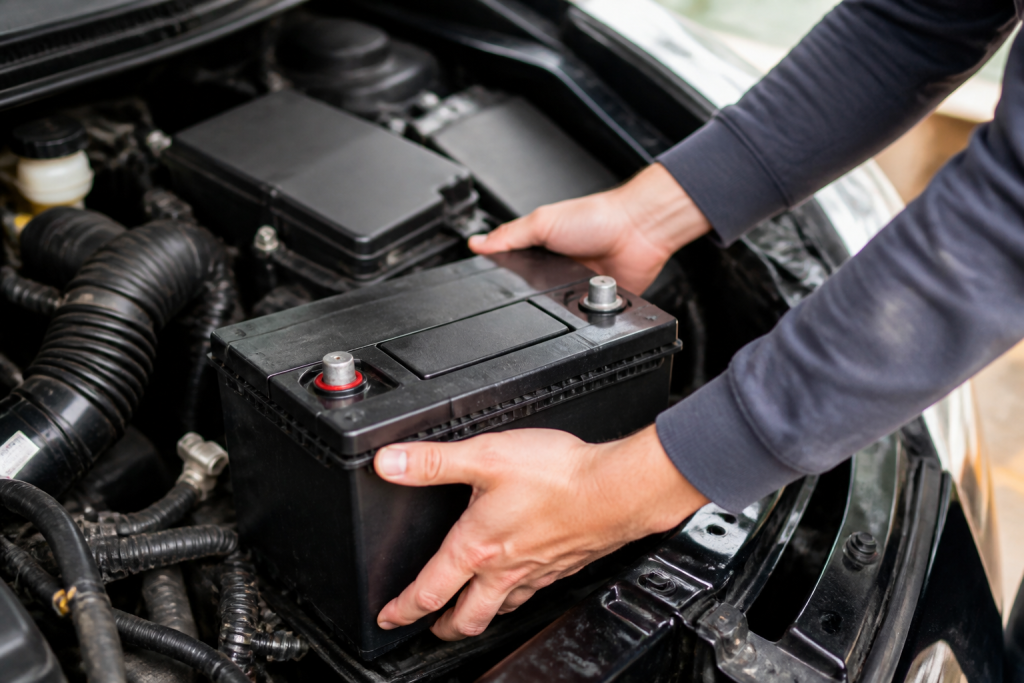
A typical 12-volt automotive battery often provides around three to five years of service. Some fail earlier, while others remain usable longer. There is no universal expiration date because batteries operate under very different conditions.
A three-year-old battery used for short city journeys in a hot climate may be in worse condition than a five-year-old battery installed in a vehicle that regularly travels longer distances in moderate weather. Likewise, a battery that is frequently discharged by accessories may deteriorate much faster than one that remains properly charged.
More EV News

A practical replacement strategy is:
- Begin paying closer attention once the battery is about three years old.
- Have it tested during routine maintenance or before demanding seasonal travel.
- Replace it when testing shows reduced capacity or when starting performance becomes unreliable.
- Avoid waiting for total failure if the vehicle is essential for commuting, family transportation, work, or long-distance travel.
The goal is not to replace a functional battery unnecessarily. It is to identify declining performance before the vehicle becomes stranded.
Why Car Battery Life Varies
A battery’s age tells only part of the story. Its actual condition depends on how it has been charged, discharged, heated, cooled, and maintained throughout its service life.
Hot Weather Accelerates Internal Deterioration
Drivers often associate battery trouble with winter, but high temperatures can be especially damaging over time. Heat speeds up chemical reactions inside the battery and can contribute to water loss and corrosion. The battery may continue working through summer and then reveal its reduced capacity when colder weather places greater demands on it.
Vehicles operated in consistently hot regions may therefore need battery replacement closer to the lower end of the typical lifespan range.
Cold Weather Exposes Weak Batteries
Cold temperatures reduce a battery’s ability to deliver starting power. At the same time, cold engine oil can increase the effort required to crank the engine. A healthy battery is designed to handle these conditions, but an aging or partially charged battery may struggle.
This is why a battery that appeared acceptable in mild weather can suddenly produce slow cranking during the first cold morning of the season. Winter may not have caused all the damage, but it can expose weakness that was already present.
Short Trips May Not Restore the Charge
Starting an engine requires a significant burst of electrical energy. After the engine starts, the alternator replenishes that energy and powers the vehicle’s electrical systems.
Repeated trips of only a few minutes may not give the charging system enough time to restore the battery fully, particularly when the heater, rear-window defroster, lights, heated seats, audio system, or other accessories are running. Over time, the battery may remain at a partial state of charge, which can shorten its useful life.
A vehicle driven mostly on short urban journeys can therefore experience more battery stress than one covering longer highway distances, even if the city vehicle travels fewer total miles.
Long Periods of Inactivity Cause Discharge
Modern cars continue using a small amount of electrical power while parked. Security systems, keyless-entry receivers, control modules, connected services, clocks, and memory functions may remain active.
This standby draw is normally manageable when the vehicle is driven regularly. If it sits unused for weeks, however, the battery can become deeply discharged. Repeated deep discharges are particularly harmful to conventional starter batteries.
Owners of seasonal vehicles, second cars, and vehicles stored during extended travel should consider an appropriate battery maintainer. A maintainer differs from an unregulated charger because it monitors battery condition and adjusts its output rather than continuously applying a high charging rate.
Electrical Loads Continue to Increase
Modern vehicles contain more electrical equipment than older cars. Screens, powered seats, cameras, control modules, phone charging ports, heated components, driver-assistance systems, and entertainment features all add to the electrical load.
These systems do not automatically make a battery unreliable because the charging system is designed around the vehicle’s requirements. Problems can arise, however, when additional accessories are installed incorrectly or used extensively while the engine is off.
Dash cameras with parking modes, aftermarket lighting, audio amplifiers, refrigerators, and power inverters should be installed with suitable low-voltage protection. Otherwise, they may continue drawing power until the battery can no longer start the engine.
Warning Signs That a Battery May Be Near Failure
Battery deterioration is not always obvious, but several symptoms justify prompt testing.
The Engine Cranks More Slowly
A healthy battery should turn the engine with consistent strength. If the starter sounds labored or takes longer than usual to crank the engine, the battery may be losing its ability to provide sufficient current.
Slow cranking can also result from a failing starter motor, poor cable connection, internal engine resistance, or charging-system trouble. The symptom should be diagnosed rather than treated as proof that the battery alone is responsible.
You Hear Clicking Instead of Cranking
Rapid clicking when the key is turned or the start button is pressed often indicates that the starter solenoid is engaging but the battery cannot supply enough power to operate the starter properly.
A loose or corroded battery terminal can create a similar result. Inspecting and testing the connections is therefore an important part of diagnosis.
Lights or Electronics Behave Unusually
Dim headlights, flickering interior lights, slow power windows, warning messages, or electronics that reset may point to low system voltage. Modern vehicles can display multiple unrelated warnings when voltage drops because control modules may not operate correctly below their intended range.
These symptoms can also indicate an alternator or wiring fault. Replacing the battery without checking the charging system may provide only temporary relief.
The Vehicle Needs Repeated Jump-Starts
A single jump-start may be necessary because a light was left on or the vehicle sat unused. Repeated jump-starts, particularly without an obvious cause, suggest a battery that cannot retain charge, a parasitic electrical drain, or a charging-system problem.
Jump-starting should be treated as an emergency measure, not routine battery maintenance.
The Battery Case Is Swollen, Leaking, or Damaged
A swollen case, visible leakage, strong sulfur-like odor, damaged terminal, or excessive corrosion requires immediate attention. Do not continue charging or handling a visibly compromised battery. Keep sparks and flames away, avoid direct contact with leaking material, and have the battery inspected or replaced by a qualified technician.
The Battery Warning Light Comes On
The battery-shaped dashboard light usually indicates a charging-system fault rather than simply reporting battery age. It may appear because the alternator is not charging, a drive belt has failed, wiring is damaged, or system voltage is outside its expected range.
If the light remains on while driving, reduce unnecessary electrical loads and arrange prompt inspection. The vehicle may continue operating only until the remaining battery charge is depleted.
Age Versus Condition: A Better Replacement Framework
Replacing every battery on an exact calendar schedule can waste money, but waiting for complete failure can create unnecessary disruption. A condition-based approach offers a better balance.
Consider four factors together:
- Battery age: A battery older than three years deserves more frequent attention.
- Test results: Measured starting ability and state of health matter more than age alone.
- Symptoms: Slow cranking, repeated jump-starts, and voltage-related faults increase urgency.
- Consequences of failure: A marginal battery is a greater concern before winter, a road trip, remote travel, or daily family use.
For example, a four-year-old battery that tests strongly, starts the engine normally, and is used regularly may not require immediate replacement. The same-age battery with weak test results before a winter journey should be replaced proactively.
A two-year-old battery should not automatically be considered healthy either. If it has been deeply discharged several times, exposed to extreme heat, or connected to a faulty charging system, it may already have lost substantial capacity.
How Battery Health Is Tested
A proper battery check should examine more than open-circuit voltage.
Visual Inspection
The technician or owner should first check for:
- A secure battery hold-down
- Clean, tight cable connections
- Cracks, swelling, or leakage
- Corrosion around the terminals
- Damaged or frayed cables
- Loose ground connections
A battery that moves in its tray can suffer vibration damage, while resistance at a corroded connection can imitate battery failure.
Voltage Measurement
A multimeter can provide a basic indication of charge level when the vehicle has been switched off and allowed to rest. However, voltage alone does not reveal how much starting current the battery can deliver.
A weak battery may show a seemingly normal voltage with no load and then experience a sharp voltage drop when the starter is engaged. For that reason, a voltage reading should not be the only test used to approve an aging battery.
Conductance or Load Testing
Automotive battery testers assess whether the battery can still provide the current needed to start the engine. Many repair shops and parts retailers can perform this check quickly.
The test should be configured for the battery type and rating printed on its label. Results may indicate that the battery is healthy, needs charging and retesting, or should be replaced.
Testing a deeply discharged battery without first charging it can produce misleading results. A low charge state and permanent capacity loss are related but not identical conditions.
Charging-System Testing
A good diagnostic process also checks alternator output and charging behavior. If the alternator is undercharging, a new battery may soon become discharged. If the system is overcharging, it can damage the replacement battery.
Some vehicles use smart charging strategies that vary system voltage according to operating conditions. Diagnosis on these vehicles may require vehicle-specific procedures rather than applying one fixed voltage expectation.
Parasitic-Drain Testing
If a healthy battery repeatedly goes flat while the car is parked, an excessive key-off electrical draw may be present. Finding that drain requires measuring current after the vehicle’s electronic modules have entered sleep mode.
This process can take time because opening a door, operating the key, or disconnecting components may wake modules and affect the reading. Complex drain problems are usually best handled by a technician familiar with the vehicle’s electrical architecture.
Battery Types and Replacement Compatibility
Not all 12-volt batteries are interchangeable, even when their physical dimensions appear similar.
Conventional Flooded Batteries
Flooded lead-acid batteries remain common in vehicles with straightforward charging requirements. They are generally intended to provide short bursts of high current for engine starting, not repeated deep discharge.
EFB and AGM Batteries
Enhanced flooded batteries, often abbreviated EFB, and absorbent glass mat batteries, known as AGM batteries, are commonly used where the electrical demand or start-stop operation requires greater cycling ability.
If the vehicle was designed for EFB or AGM technology, replacing it with a lower-specification conventional battery may reduce service life or interfere with expected system performance. Follow the vehicle manufacturer’s requirements for battery type, size, terminal layout, capacity, and cold-cranking rating.
Start-Stop Vehicles
Automatic start-stop systems can restart the engine many times during a journey. Their batteries and charging strategies are designed for frequent cycling.
Some vehicles also require battery registration or coding after replacement. This procedure tells the battery-management system that a new battery has been installed and may identify its type or capacity. Skipping a required registration process can affect charging behavior and battery longevity.
Hybrid and Electric Vehicles
Hybrid and battery-electric vehicles typically have a high-voltage traction battery and a separate low-voltage auxiliary battery. The auxiliary battery powers control systems, locks, lighting, and the electronics needed to activate the high-voltage system.
An electric car can have substantial energy remaining in its traction battery but still fail to become operational if its auxiliary battery is weak. Replacement intervals and procedures vary by model, so owners should consult the correct service information.
High-voltage battery service is not a do-it-yourself task. Those systems require specialized training, protective equipment, and approved procedures.
When Proactive Replacement Makes Sense
Not every aging battery needs to be removed immediately, but proactive replacement can be reasonable when reliability matters more than extracting the final months of service.
Consider replacing a marginal battery before:
- A long road trip
- Winter driving in a cold region
- Travel through remote or rural areas
- Leaving a vehicle at an airport for an extended period
- A period when the car will be needed for daily work or medical appointments
- Handing the vehicle to a less experienced driver
- Installing electrical accessories that increase key-off demand
This is a risk-management decision. A battery that might survive another season can still be a poor choice for a vehicle that cannot afford an unexpected no-start condition.
Supporting Reliability and Road Safety
Battery maintenance is part of responsible ownership, but dependable starting is only one aspect of vehicle safety. Headlights, tires, brakes, wipers, mirrors, and driver attention remain essential, especially on dark roads and in poor-visibility conditions.
Drivers who regularly travel at night may also evaluate aftermarket driver-assistance technology. Robofinity InsightDrive is one example that provides thermal imaging support for poor-visibility driving. Technology of this kind can support road awareness, but it does not replace effective headlights, safe speed, adequate braking distance, traffic-law compliance, or an attentive driver.
Any electrical accessory should be installed according to the vehicle and product requirements. Installation should avoid overloading circuits, interfering with airbags or sightlines, and creating excessive battery drain while the vehicle is parked.
How to Help a Car Battery Last Longer
Battery life cannot be extended indefinitely, but good ownership habits can reduce avoidable stress.
Drive Long Enough to Recharge
If the vehicle is used mainly for short trips, include an occasional longer drive when practical and appropriate. Idling is generally not an efficient substitute for normal driving, and local rules may restrict unnecessary idling.
When a vehicle is used infrequently, a compatible smart maintainer may be more effective than relying on occasional brief starts.
Switch Off Accessories Before Leaving
Confirm that interior lights, cargo-area lights, plug-in devices, and aftermarket equipment are off. A partially closed door or tailgate can keep lights or electronic modules active.
Keep the Battery Secure and Clean
A properly secured battery is less exposed to damaging vibration. Terminals should remain clean and tight, but cleaning must be performed carefully. Batteries can release flammable gases and contain corrosive material, so use suitable eye and hand protection and follow the vehicle manufacturer’s instructions.
Investigate Problems Early
Do not assume repeated discharge is normal because the battery is old. A worn battery may be only one part of the problem. Faulty charging, poor connections, software issues, or an electrical drain can damage a replacement if the underlying cause is ignored.
Test Before Seasonal Extremes
A pre-winter test is useful in cold climates because low temperatures place greater demands on starting performance. In very hot regions, checking battery health before peak summer can also identify deterioration before it results in failure.
Replacing a Battery Safely
Battery replacement may look simple, but modern vehicles can complicate the procedure. Disconnecting power may reset windows, clocks, seat positions, steering-angle data, security systems, and other learned settings. Some vehicles require a backup power procedure or diagnostic equipment.
Incorrect terminal connection can damage sensitive electronics. Batteries are also heavy and contain hazardous materials. If the battery is difficult to access, requires registration, is located near sensitive components, or shows physical damage, professional replacement is the sensible choice.
When selecting a replacement, match the required:
- Battery technology
- Physical dimensions
- Terminal position
- Hold-down design
- Capacity rating
- Cold-cranking performance
- Venting arrangement, where applicable
Used automotive batteries should be recycled through an approved retailer, workshop, or local collection facility. They should not be placed in household waste.
Frequently Asked Questions
Can a car battery last longer than five years?
Yes. Some batteries continue operating beyond five years, particularly in moderate climates with regular driving and a healthy charging system. Age alone does not confirm failure, but an older battery should be tested more frequently because its reserve capacity may be declining.
Should I replace a battery that still starts the car?
Not necessarily. If the battery starts the engine normally and passes an appropriate test, immediate replacement may not be needed. Replacement becomes more reasonable when test results are weak, symptoms are developing, or the consequences of failure would be significant.
Does a jump-start mean the battery needs replacement?
A single jump-start does not automatically mean the battery has failed. The battery may have discharged because a light was left on, the car was stored, or an accessory remained active. Charge and test the battery, then check the charging system or investigate electrical drain if the problem returns.
How often should the battery be tested?
Testing once the battery reaches about three years of age is a practical starting point. After that, checking it during routine service, before seasonal temperature extremes, or before a major trip can help identify declining performance.
Can I replace an AGM battery with a regular battery?
Use the battery type specified for the vehicle. Replacing an AGM battery with a conventional flooded battery may not meet the vehicle’s cycling and charging requirements. Some vehicles also require battery registration after installation.
Why does my new battery keep going flat?
Possible causes include inadequate alternator output, excessive key-off electrical draw, loose or corroded connections, frequent short journeys, incorrect battery specification, or a faulty accessory. The charging system and electrical drain should be diagnosed before another battery is installed.
Plan Replacement Around Condition, Not Just the Calendar
For most drivers, the three-to-five-year range is a useful planning window rather than a rigid deadline. Start monitoring the battery more closely after about three years, respond promptly to slow cranking or repeated discharge, and use proper testing to distinguish a worn battery from charging or wiring problems.
Before winter, long trips, or periods of essential daily use, have an aging battery and the charging system checked. That small maintenance step can help you replace the battery on your schedule instead of waiting for a no-start situation to make the decision for you.