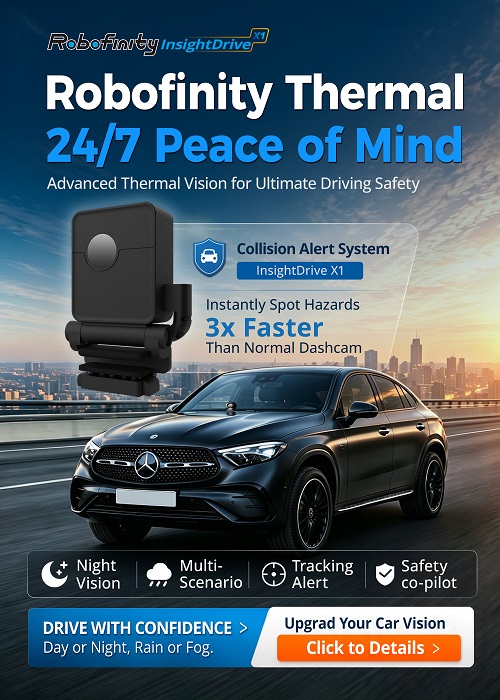


Car Thermal Imaging Camera: Must-Have Affordable 4K Night Vision
Car thermal imaging camera technology is quickly becoming one of the smartest upgrades drivers can add to their vehicles. While night driving has always come with risks, modern imaging systems now make it much easier to detect people, animals, stalled vehicles, and other hazards in low-visibility conditions. What was once a premium feature limited to luxury models is now becoming far more affordable, giving everyday drivers access to advanced safety support without spending a fortune.
- What Is a Car Thermal Imaging Camera?
- Why Drivers Are Choosing Thermal Imaging for Night Vision
- Key Benefits of an Affordable 4K Night Vision System
- Better Hazard Detection
- Clearer Video Evidence
- Improved Driving Confidence
- Practical Value for Everyday Drivers
- Features to Look for in a Car Thermal Imaging Camera
- Is an Affordable Option Really Worth It?
- Best Use Cases for a Car Thermal Imaging Camera
- Final Thoughts
Night driving can be challenging even for experienced drivers. Headlights only illuminate a limited area, heavy rain or fog can reduce visibility, and dark roads often hide dangers until it is too late to react. A thermal imaging camera helps solve this problem by detecting heat signatures rather than relying only on visible light. This makes it a practical option for anyone who drives at night, travels on rural roads, or wants extra confidence behind the wheel.
What Is a Car Thermal Imaging Camera?
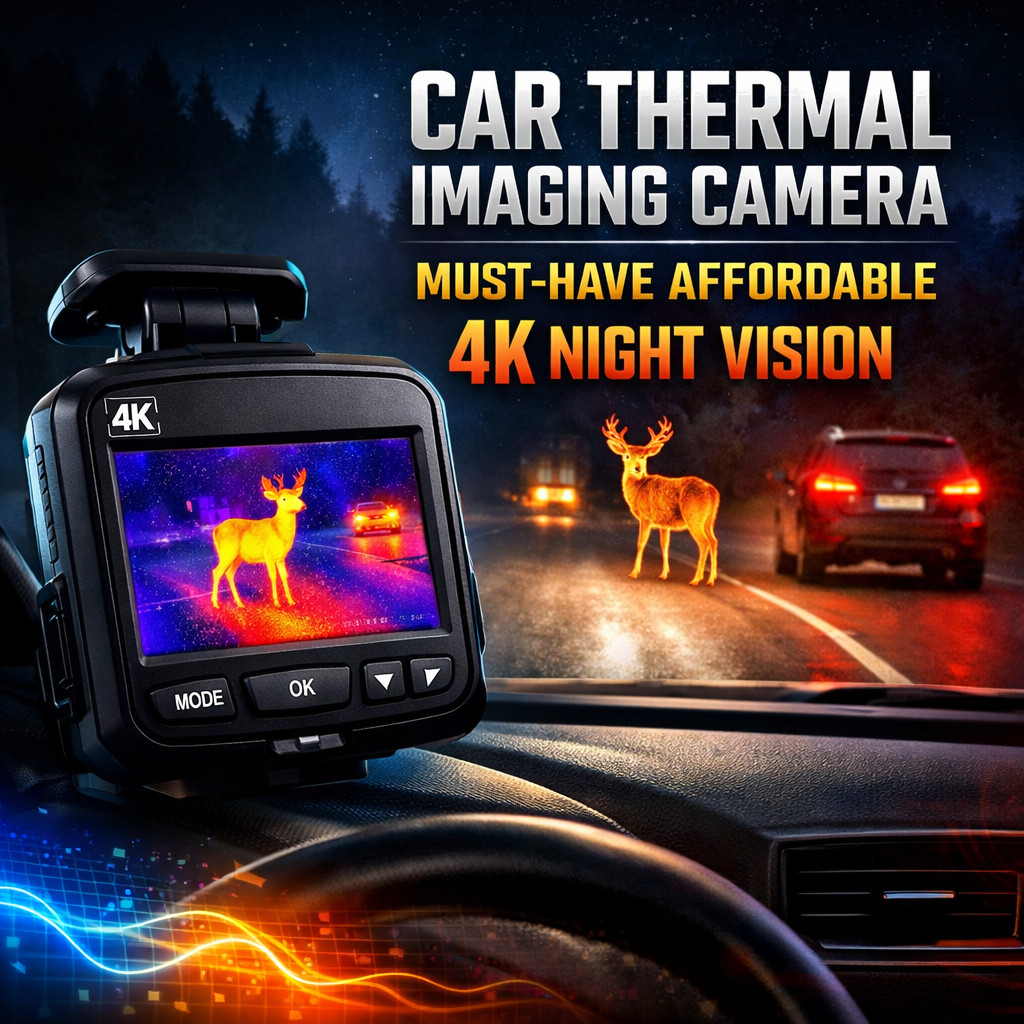
A car thermal imaging camera is a device that uses infrared technology to detect differences in temperature. Instead of producing a normal visual image alone, it identifies warm objects such as pedestrians, cyclists, animals, and running vehicles, even when they are hard to see with standard headlights or dashboard cameras.
These systems can display thermal images on an in-car screen, rearview mirror monitor, or smartphone-connected display depending on the model. Some advanced options combine thermal imaging with 4K recording, giving drivers both enhanced awareness and high-resolution video capture. This combination makes the device useful not only for safety but also for documentation in case of incidents on the road.
Why Drivers Are Choosing Thermal Imaging for Night Vision
More drivers are turning to thermal imaging because it offers a clear advantage in situations where ordinary cameras struggle. Standard night vision systems depend on reflected light, which means performance can drop significantly in darkness, rain, fog, or poorly lit environments. Thermal cameras work differently by detecting heat, allowing them to identify living beings and active vehicles more effectively.
This is especially valuable in rural and suburban areas where wildlife crossings are common. Deer, dogs, and other animals often appear suddenly at the roadside, creating serious accident risks. A thermal imaging system can help drivers spot these threats earlier, offering more time to slow down or change course safely.
It is also useful in urban settings. Pedestrians wearing dark clothing, cyclists on dimly lit streets, and roadside workers can become much easier to notice through thermal detection. For many drivers, this added layer of awareness is not just convenient—it is a meaningful safety improvement.
Key Benefits of an Affordable 4K Night Vision System
One reason these cameras are gaining popularity is that they now combine premium features with much better pricing. An affordable 4K-capable thermal imaging camera can deliver several major benefits:
Better Hazard Detection
The biggest benefit is earlier hazard recognition. Warm objects stand out against cooler backgrounds, making them easier to identify before they enter the vehicle’s path.
Clearer Video Evidence
If the system includes 4K recording, drivers get sharper footage for insurance claims, incident reviews, or general security. High-definition video can capture surrounding details that lower-resolution cameras might miss.
Improved Driving Confidence
Driving at night can be mentally exhausting. Knowing that an advanced imaging system is scanning ahead can help reduce stress, especially on long trips or unfamiliar roads.
Practical Value for Everyday Drivers
In the past, thermal imaging was associated with expensive luxury vehicles. Today, aftermarket options offer the same general concept at a fraction of the cost, making the technology accessible to a wider range of people.
Features to Look for in a Car Thermal Imaging Camera
Not all systems offer the same performance, so it is important to know what to look for before buying. If you are comparing models, keep these features in mind:
Resolution and 4K Recording
A camera that supports 4K recording provides more detailed footage. While the thermal sensor itself may have different technical specifications, 4K video output can still improve overall clarity and playback quality.
Detection Range
Range matters, especially for highway and rural driving. A longer detection distance gives drivers more time to respond to potential dangers.
Display Options
Some units come with built-in monitors, while others connect to infotainment systems or mobile apps. Choose a setup that feels easy to use and does not distract from driving.
Weather Resistance
Since the camera will be exposed to outdoor conditions, durable construction and weatherproofing are essential for reliable performance.
Real-Time Alerts
Certain models include alerts that notify drivers when a heat source is detected ahead. This can be particularly useful when attention is divided between traffic, navigation, and road conditions.
Is an Affordable Option Really Worth It?
For many drivers, the answer is yes. An affordable thermal imaging camera does not need to match the complexity of a factory-installed luxury vehicle system to be useful. Even a mid-range model can provide meaningful support in darkness and poor weather.
The value becomes even clearer when considering the potential cost of an accident. Avoiding just one collision with an animal, pedestrian, or unseen roadside obstacle could more than justify the purchase. In that sense, this type of device can be viewed not only as a convenience feature but also as a practical safety investment.
That said, buyers should keep realistic expectations. A thermal camera is a driver-assistance tool, not a replacement for careful driving. It works best when combined with alertness, proper speed control, and safe driving habits.
Best Use Cases for a Car Thermal Imaging Camera
A car thermal imaging camera can be particularly helpful in several situations:
– Night driving on highways and country roads
– Areas with frequent wildlife crossings
– Foggy, rainy, or poorly lit routes
– Long-distance travel where fatigue may reduce awareness
– Commercial driving, rideshare work, or delivery routes
– Drivers who want better video documentation and security
For people who spend a lot of time on the road after dark, this type of camera can quickly go from a nice extra to an essential part of their setup.
Final Thoughts
Thermal imaging is no longer limited to high-end vehicles and specialized fleets. With more affordable options now available, everyday drivers can take advantage of technology that improves visibility, supports safer driving, and adds valuable recording capability. A 4K-enabled thermal camera offers a strong mix of practical safety and modern convenience, especially for those who regularly face dark roads or unpredictable conditions.
As the market continues to grow, these systems are likely to become a more common part of vehicle safety technology. For drivers looking to upgrade their night vision without overspending, a thermal imaging camera stands out as a smart and forward-thinking choice.