

Choosing the best vehicle mounted thermal camera depends on how and where you plan to use it. For security patrols, search and rescue, wildlife observation, law enforcement, agricultural surveys, or off-road navigation, a thermal camera mounted on a vehicle can reveal heat signatures that are invisible to standard headlights or visible-light cameras. By detecting differences in temperature rather than relying on ambient light, these systems help drivers and operators see people, animals, hotspots, and obstacles in darkness, fog, smoke, dust, and other low-visibility conditions.
- What a Vehicle Mounted Thermal Camera Does
- Key Features to Look For
- Thermal Resolution
- Detection Range
- Field of View
- Mounting and Stability
- Display and Integration
- Weather Resistance
- Best Uses by Vehicle Type
- Patrol Cars and Emergency Vehicles
- Trucks and Commercial Fleets
- Off-Road and Recreational Vehicles
- Agricultural and Wildlife Vehicles
- Choosing Between Specialized Systems
- Benefits of a Thermal Camera on a Vehicle
- Better Low-Light Visibility
- Improved Hazard Detection
- Reduced Driver Fatigue
- Versatile Application
- Safer Decisions in Critical Moments
- How to Choose the Right Model
- Installation Tips for Better Performance
- Choose the Right Position
- Minimize Vibration
- Protect the Cable Routing
- Test Before Regular Use
- Keep the Lens and Housing Clean
- Additional Considerations for Real-World Use
- Where Thermal Imaging Fits in Modern Vehicle Safety
- Final Thoughts
Table of Contents
- What a Vehicle Mounted Thermal Camera Does
- Key Features to Look For
- Best Uses by Vehicle Type
- Benefits of a Thermal Camera on a Vehicle
- How to Choose the Right Model
- Installation Tips for Better Performance
- Additional Considerations for Real-World Use
- Where Thermal Imaging Fits in Modern Vehicle Safety
- Final Thoughts
What a Vehicle Mounted Thermal Camera Does
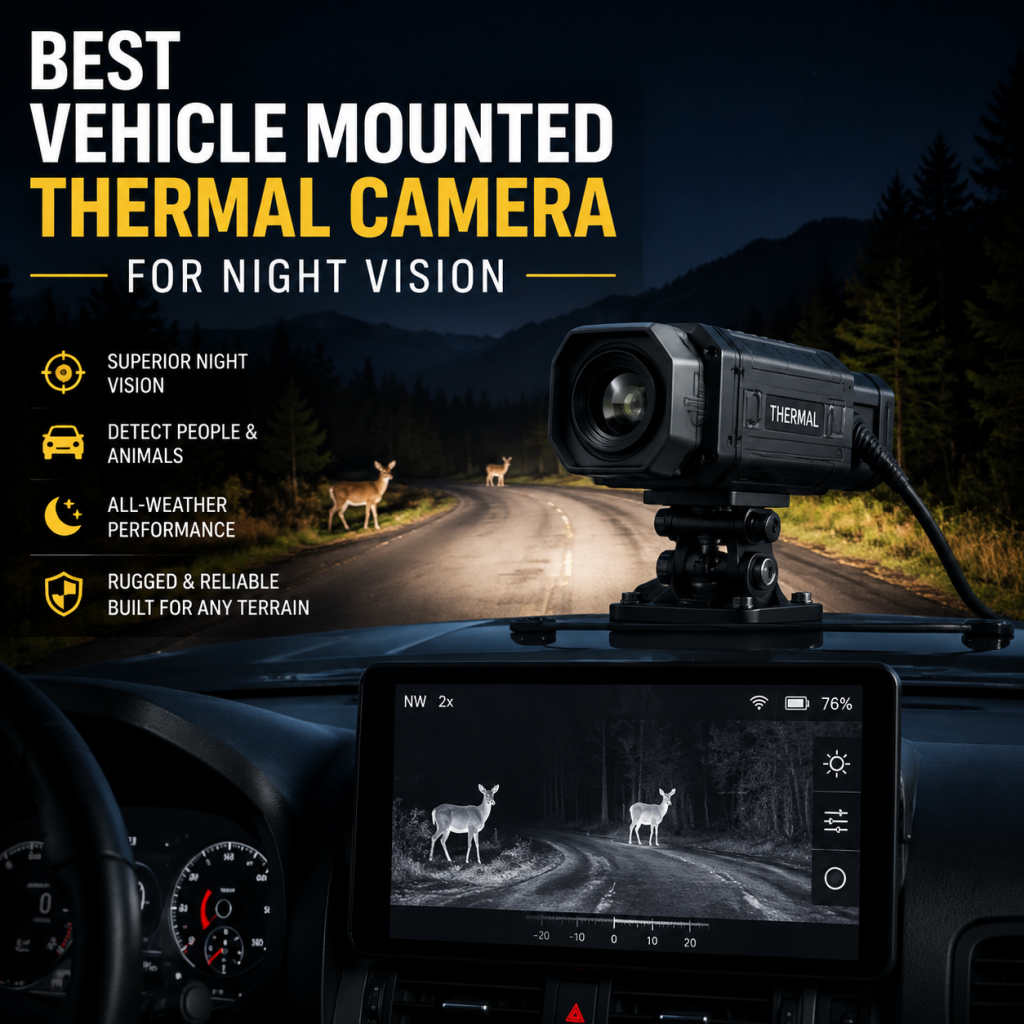
A vehicle mounted thermal camera captures infrared radiation emitted by objects and converts it into a visual image. Warmer objects appear brighter or in different colors depending on the display mode. This makes it possible to detect humans, animals, overheated machinery, and even hidden structural issues while the vehicle is in motion.
Unlike conventional night vision, which often still needs some light to work effectively, thermal imaging is self-sufficient. That makes it especially useful for:
- Night driving
- Rural patrols
- Emergency response
- Search and rescue
- Wildlife monitoring
- Industrial inspections from a moving vehicle
When mounted properly on a car, truck, ATV, UTV, boat trailer, or emergency vehicle, these cameras can significantly improve situational awareness. For a broader overview of mobile safety applications, see Vehicle Thermal Camera: 7 Powerful Safety Benefits.
In practice, the best vehicle mounted thermal camera is one that matches your speed, route, and visibility needs. A commuter on dark back roads has different requirements than a patrol unit, and a ranch truck needs different coverage than a fast-moving off-road rig. Knowing the difference helps you avoid overbuying or choosing a camera that looks good on paper but falls short in real driving conditions.
Another reason thermal imaging is so valuable is consistency. Headlights can reflect off rain, glare, or dust, while a thermal view remains useful in many of the same conditions. That is why a vehicle mounted thermal camera is often treated as a supplemental safety tool rather than a replacement for normal driving awareness.
More EV News
Key Features to Look For
Not all thermal cameras are built for vehicular use. The best options combine strong image quality, durability, and practical mounting and viewing features.
Thermal Resolution
Resolution is one of the most important specifications. A higher-resolution sensor produces more detail, making it easier to identify objects at greater distances. Common options include 160×120, 320×240, and 640×480. For general mobile use, 320×240 may be enough, but if you need reliable long-range detection or more precise identification, 640×480 is a stronger choice.
Detection Range
A camera’s detection range tells you how far it can notice a heat signature. Keep in mind that detection does not always mean identification. A good system should allow you to detect a person or animal well before reaching it, giving you time to respond safely.
Field of View
A wider field of view helps cover more area in front of the vehicle, which is especially important for slower-moving patrol or off-road applications. A narrower field of view can be useful when you need more detail at a distance. The best setup depends on your route and typical speed.
Mounting and Stability
Because the camera will be exposed to vibration, shock, rain, dust, and changing temperatures, mounting quality matters. Look for rugged housings, secure brackets, and models designed specifically for mobile use. A stable mount reduces image distortion and helps the camera remain aligned over time.
Display and Integration
Some systems include a dedicated monitor in the cab, while others connect to a smartphone, tablet, or built-in vehicle display. The easiest system to use is one that provides clear real-time viewing without distracting the driver. Ideally, it should allow quick access to zoom, palette changes, and recording features.
Weather Resistance
A reliable thermal camera for vehicles should have a durable, weather-sealed design. This is especially important if the camera will be exposed to rain, snow, mud, or road debris. An IP-rated enclosure is usually a strong indicator of outdoor readiness.
Lens protection also matters. Even the best vehicle mounted thermal camera can underperform if the lens is repeatedly covered in dirt or splashed by road spray. A protected mounting position and regular cleaning schedule help preserve image quality in daily use.
Power management is another practical feature to check. Some systems are designed for direct vehicle power, while others may need converters or additional accessories. Before buying, make sure the camera integrates cleanly with your electrical setup so you do not create unnecessary complexity later.
For buyers comparing mobile and rugged systems, it can also help to look at a car thermal imager guide to understand how portable and fixed-mount options differ in real-world use.
Best Uses by Vehicle Type
The right thermal imaging solution can vary based on the vehicle and the job.
Patrol Cars and Emergency Vehicles
For law enforcement, firefighting, and rescue operations, thermal cameras help detect people in darkness, locate hotspots, and navigate hazardous environments. Fast response and dependable long-range viewing are critical in these settings. In many cases, a vehicle mounted thermal camera gives officers or responders more time to spot movement near road shoulders, treelines, or open fields.
Trucks and Commercial Fleets
Fleet operators may use thermal imaging to monitor road conditions, detect obstacles, or inspect equipment at job sites. Cameras that can record footage and provide broad visibility are especially useful. A vehicle mounted thermal camera can also support after-hours logistics by helping drivers see loading areas, gates, and obstacles before the truck gets too close.
Off-Road and Recreational Vehicles
Drivers of ATVs, UTVs, and 4x4s often need to see trails, wildlife, or hidden terrain obstacles at night. A compact, rugged camera with a responsive display can improve safety without adding too much complexity. For these users, the benefit is often not just visibility, but confidence when traveling through unfamiliar terrain.
Agricultural and Wildlife Vehicles
Farmers, ranchers, and wildlife researchers benefit from thermal detection of livestock, animals, and irrigation issues. These applications often require a balance of range, portability, and easy viewing. A dependable vehicle mounted thermal camera can make it easier to monitor fence lines, spot animals near equipment, and catch heat-related issues early.
Choosing Between Specialized Systems
If your priority is off-road safety, a setup designed for rugged terrain may be a better fit than a general-purpose unit. If you are comparing options, it can help to review an off-road thermal night vision guide alongside your vehicle-mounted system shortlist.
For highway driving and mixed-road conditions, a more balanced configuration may be preferable. Some buyers want a wide view for close obstacle awareness, while others need a tighter, longer-range image for higher speeds. The best vehicle mounted thermal camera is the one that suits the vehicle’s operating environment, not just the most advanced spec sheet.
In emergency and utility fleets, mounting style may matter as much as image quality. A system that is easy to service, quick to inspect, and simple for different drivers to understand can be worth more than a slightly sharper image on paper.
Benefits of a Thermal Camera on a Vehicle
A vehicle mounted thermal camera offers more than night vision. It can improve safety, speed, and awareness in several ways.
Better Low-Light Visibility
Heat signatures stand out even in total darkness. This makes it easier to detect moving or stationary objects without depending on headlights alone.
Improved Hazard Detection
Animals crossing the road, pedestrians near a trail, overheating components, and hidden hotspots can be seen earlier than with the naked eye.
Reduced Driver Fatigue
Instead of constantly scanning in poor lighting conditions, the operator gets a clearer sense of the environment. This can lower stress during long nighttime shifts or rough terrain travel.
Versatile Application
One camera can serve many purposes, from security to inspection. That versatility makes thermal imaging a practical investment for both personal and professional use.
Safer Decisions in Critical Moments
When seconds matter, earlier detection can help prevent collisions, missed hazards, or delayed responses. In many cases, a vehicle mounted thermal camera gives the driver more time to brake, steer, or stop before a risk becomes an incident.
For more on the core advantages of thermal detection, read Vehicle Thermal Camera: 7 Powerful Safety Benefits.
There is also a practical comfort benefit. Drivers who can see farther into the dark often report less tension and fewer sudden corrections because they are not constantly reacting to surprises at the last second. That improved anticipation can make night operation feel calmer and more controlled.
A well-chosen thermal system can also reduce avoidable wear and damage. Spotting debris, heat anomalies, or blocked paths before impact can help prevent tire damage, suspension strain, and unnecessary downtime. For operators who rely on their vehicle every day, that can be just as valuable as the visual benefit itself.
How to Choose the Right Model
The best choice is the one that matches your environment and goals. Consider the following before buying:
- Do you need long-range detection or close-range awareness?
- Will the camera be used every night or only occasionally?
- Is the vehicle moving quickly or slowly?
- Do you need recording, live viewing, or both?
- Will the camera face harsh weather or rough terrain?
If you need long-distance detection and professional-grade performance, prioritize higher resolution, stronger optics, and a rugged housing. If you only need basic nighttime visibility for short-range use, a more compact and affordable system may be enough.
It also helps to compare models with a focused buying guide. If you want a deeper breakdown of the selection process, review How to Choose the Best Vehicle Mounted Thermal Camera before making a final decision.
One of the easiest ways to narrow the field is to start with your main use case. A vehicle mounted thermal camera for rescue work should emphasize dependable detection and readable output, while a unit for private off-road trips may place more value on compact size and easy mounting. In other words, the right model is usually the one that solves the most important problem first.
Budget is important, but it should not be the only filter. A cheaper system that is hard to mount, difficult to read, or unreliable in bad weather can become more expensive over time if it is not used consistently. When comparing the best vehicle mounted thermal camera options, look for a balance of performance, durability, and ease of operation.
If you are deciding between a permanent installation and a more flexible setup, think about how often you will move the camera between vehicles. Permanent mounts are often better for dedicated fleet or patrol use, while portable systems can be helpful for shared equipment or occasional applications.
Installation Tips for Better Performance
Even a high-quality camera will underperform if it is installed poorly. Good installation makes a noticeable difference.
Choose the Right Position
Mount the camera where it has a clear forward-facing view and minimal obstruction from the hood, mirrors, or accessories. The goal is to maximize visibility without exposing the lens unnecessarily.
Minimize Vibration
Use a secure bracket and hardware designed for mobile environments. Excess vibration can reduce image clarity and affect alignment.
Protect the Cable Routing
Run cables safely away from heat sources, moving parts, and water entry points. Proper cable management helps avoid damage and keeps the system reliable.
Test Before Regular Use
Before relying on the camera in the field, test it in both daylight and nighttime conditions. Check focus, image orientation, display brightness, and any recording or alert functions.
Keep the Lens and Housing Clean
Road grime, mud, snow, and dust can reduce image quality. Regular cleaning helps the system perform as intended, especially in off-road or fleet environments where conditions change quickly.
It is also smart to confirm that the camera angle works at the same speed you plan to drive. A system that looks excellent while parked may point too low or too high once the vehicle starts moving and the suspension settles. Small alignment adjustments can make a big difference in usability.
For vehicles that operate in poor weather, verify that connectors and cable entry points are sealed correctly. Moisture intrusion is one of the most common causes of avoidable failure in mobile electronics, and it can shorten the life of even premium equipment.
Finally, train the person who will actually use the system. A vehicle mounted thermal camera should be simple enough that the driver can interpret the image quickly without guesswork. Familiarity with the display, controls, and limitations helps the camera deliver real safety value instead of just adding another screen.
Additional Considerations for Real-World Use
Many buyers focus on resolution first, but other details can matter just as much. Power requirements, warm-up behavior, field testing, and display readability all affect day-to-day usability. A strong vehicle mounted thermal camera should be easy to operate in gloves, stable at highway speed, and readable in bright daylight as well as complete darkness.
If you expect frequent nighttime use, think about how the system will be monitored in the cab. A good display should show the image clearly without forcing the driver to look away from the road for too long. If you plan to use the same setup across multiple vehicles, portability and mounting flexibility become even more important.
For buyers focused on rugged field work, a passive system may also be worth comparing. You can see how it fits into a broader safety setup in this guide to passive thermal night vision.
It can also be helpful to think about maintenance frequency. If a camera will be used daily in mud, rain, or dusty conditions, it should be easy to inspect and clean without special tools. A system that is easy to maintain tends to stay in service longer and perform more consistently.
Another factor is how the image is presented. Some users prefer simple black-and-white contrast, while others want color palettes that make warmer targets stand out more clearly. The best vehicle mounted thermal camera is usually the one that provides a display style the operator can interpret immediately under pressure.
Recording is worth considering too, especially for fleets, training, and incident review. Video can help with documentation, after-action analysis, and customer or supervisor reporting. Even when recording is not the primary goal, it is often useful to have the option available.
Where Thermal Imaging Fits in Modern Vehicle Safety
Thermal imaging does not replace good driving habits, headlights, or standard cameras. Instead, it adds another layer of awareness when visual conditions drop. In rural areas, on dark trails, and in industrial settings, a vehicle mounted thermal camera can reveal what normal optics miss. That makes it especially valuable for drivers who cannot afford to overlook a person, animal, or obstacle in the road.
As more operators look for reliable nighttime visibility, the demand for mobile infrared tools continues to grow. In practice, the best setup is the one that balances range, clarity, mounting quality, and ease of use for your specific vehicle and environment.
A vehicle mounted thermal camera is also part of a broader movement toward smarter mobile safety. Drivers increasingly want technology that supports faster decisions without adding major complexity. Thermal imaging fits that need because it provides immediate visual information in conditions where standard equipment often struggles.
For a more technical reference on infrared sensing and safety-related vehicle technology, the National Highway Traffic Safety Administration overview of vehicle thermal imaging research is a useful place to start.
In that larger context, a vehicle mounted thermal camera is not just a niche accessory. It can be a practical safety upgrade for anyone who drives in darkness, fog, or unpredictable terrain and wants an extra layer of confidence before hazards become emergencies.
Final Thoughts
The best vehicle mounted thermal camera is the one that delivers clear heat detection, reliable performance, and durable construction in the environment where you operate. Whether you need it for patrol, rescue, industrial inspection, wildlife tracking, or off-road safety, thermal imaging adds a powerful layer of awareness that standard cameras cannot match. By focusing on resolution, range, mounting quality, weather resistance, and ease of use, you can choose a system that improves visibility and helps you make safer decisions on the road or in the field.
When the goal is practical night vision, the right vehicle mounted thermal camera should feel like a natural extension of the vehicle rather than a complicated add-on. If it helps you spot hazards sooner, reduce stress, and move with more confidence after dark, then it is doing exactly what it should.